How Marine Mammals Breathe and Dive

How Marine Mammals Breathe and Dive

Marine mammals can spend remarkable amounts of time underwater, but they do not breathe there. Whales, dolphins, seals, sea lions, manatees, dugongs, and sea otters all use lungs and must return to the surface for air. Their diving ability comes from managing a limited oxygen supply efficiently, not from extracting oxygen from seawater. The most … Read more

Whales vs Dolphins vs Porpoises: Key Differences

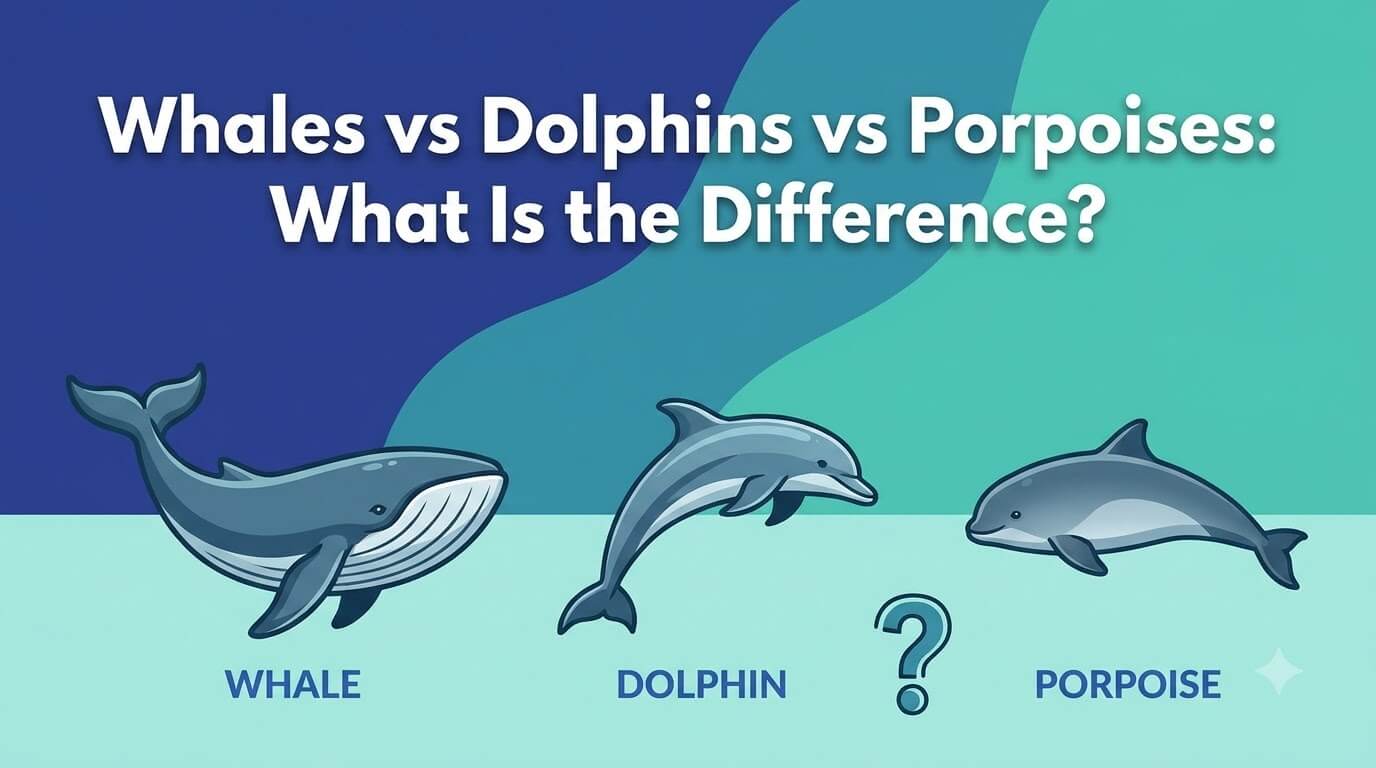
Whales vs Dolphins vs Porpoises: What Is the Difference?

Whales, dolphins, and porpoises are all cetaceans, but those everyday names do not divide the group into three simple, equal taxonomic categories. Dolphins and porpoises are both toothed cetaceans, while animals commonly called whales include both baleen whales and several toothed cetaceans. That is why an orca can be called a killer whale and still … Read more

Marine Mammals: Types, Adaptations, Habitats & More

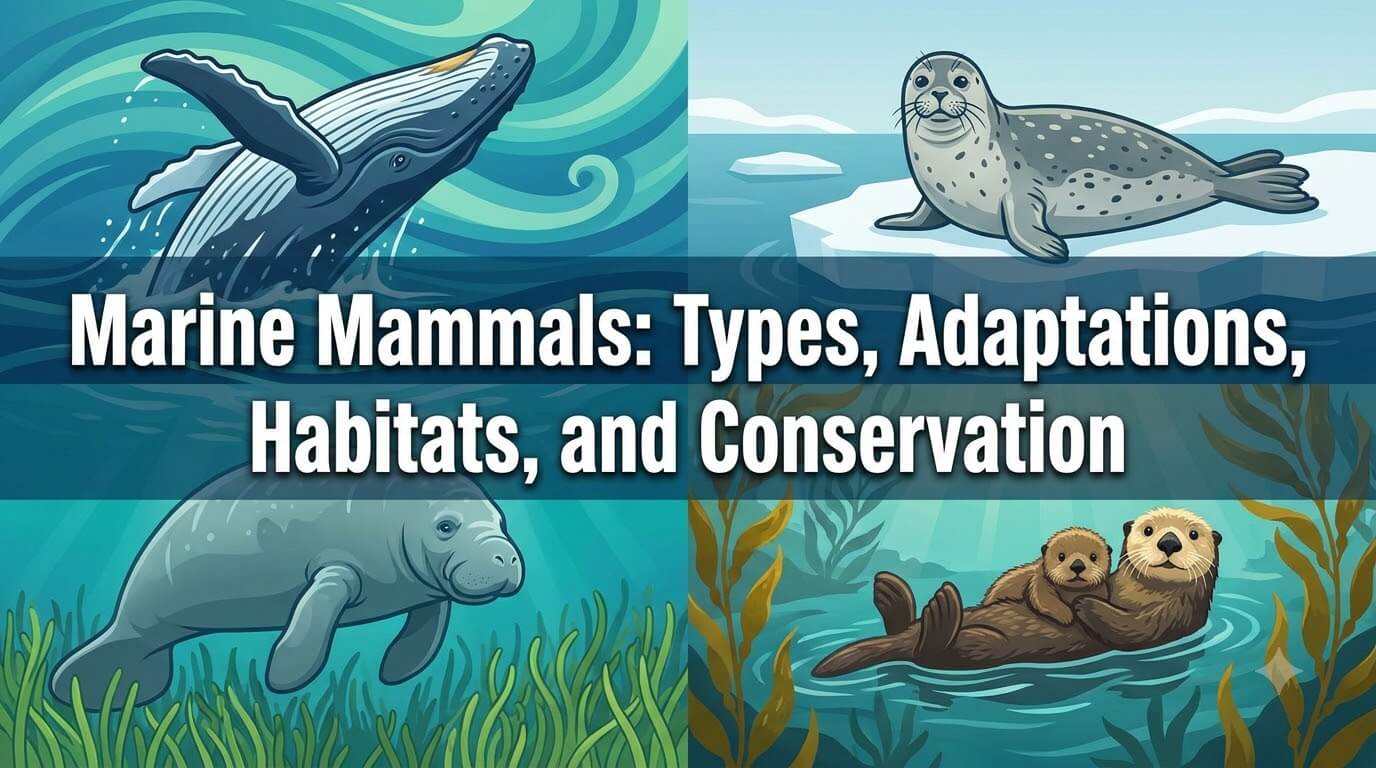
Marine Mammals: Types, Adaptations, Habitats, and Conservation

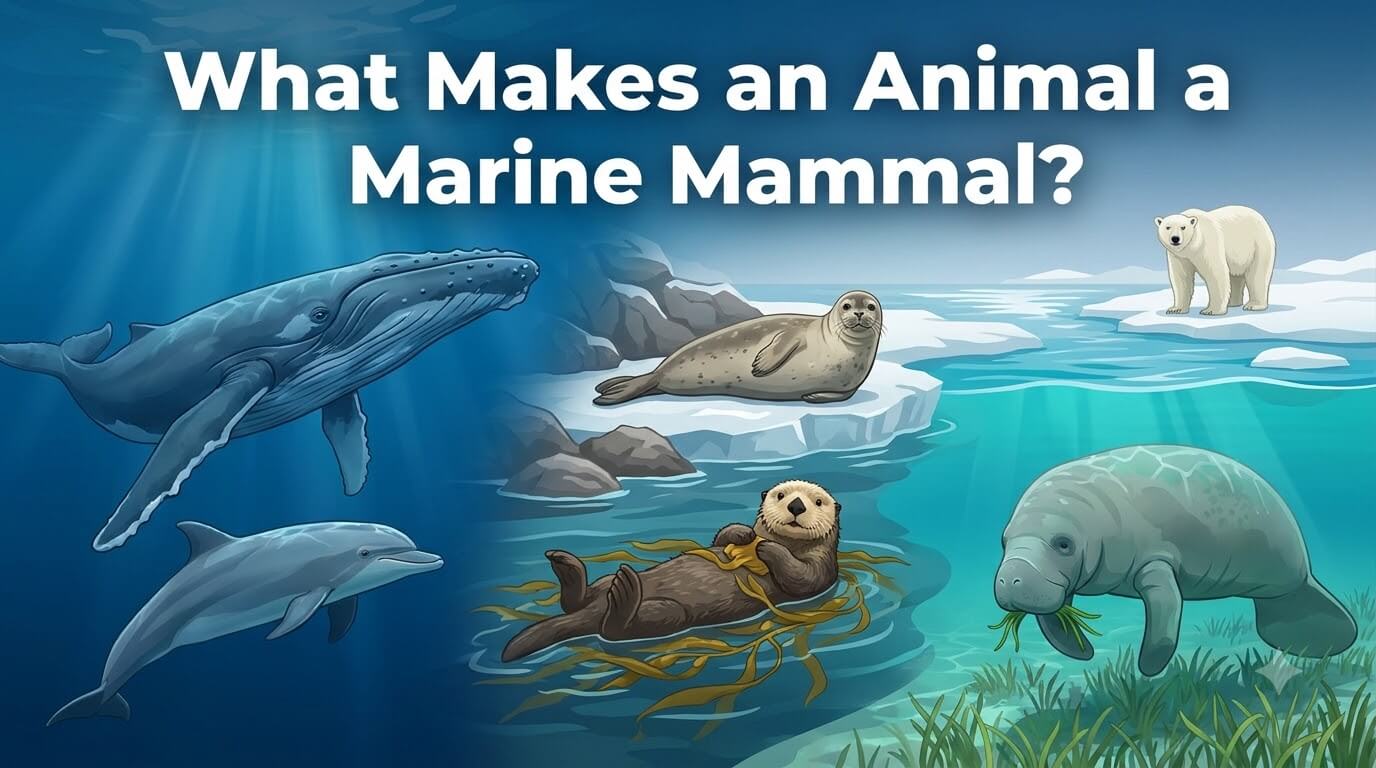
Marine mammals are mammals that depend on the ocean or other aquatic environments for much of their lives. They include whales, dolphins, porpoises, seals, sea lions, walruses, manatees, dugongs, sea otters, and polar bears. What unites them is not one branch of the mammal family tree. Instead, different mammal lineages adapted to aquatic life in … Read more

Why Are Bats Endangered? Threats and Conservation

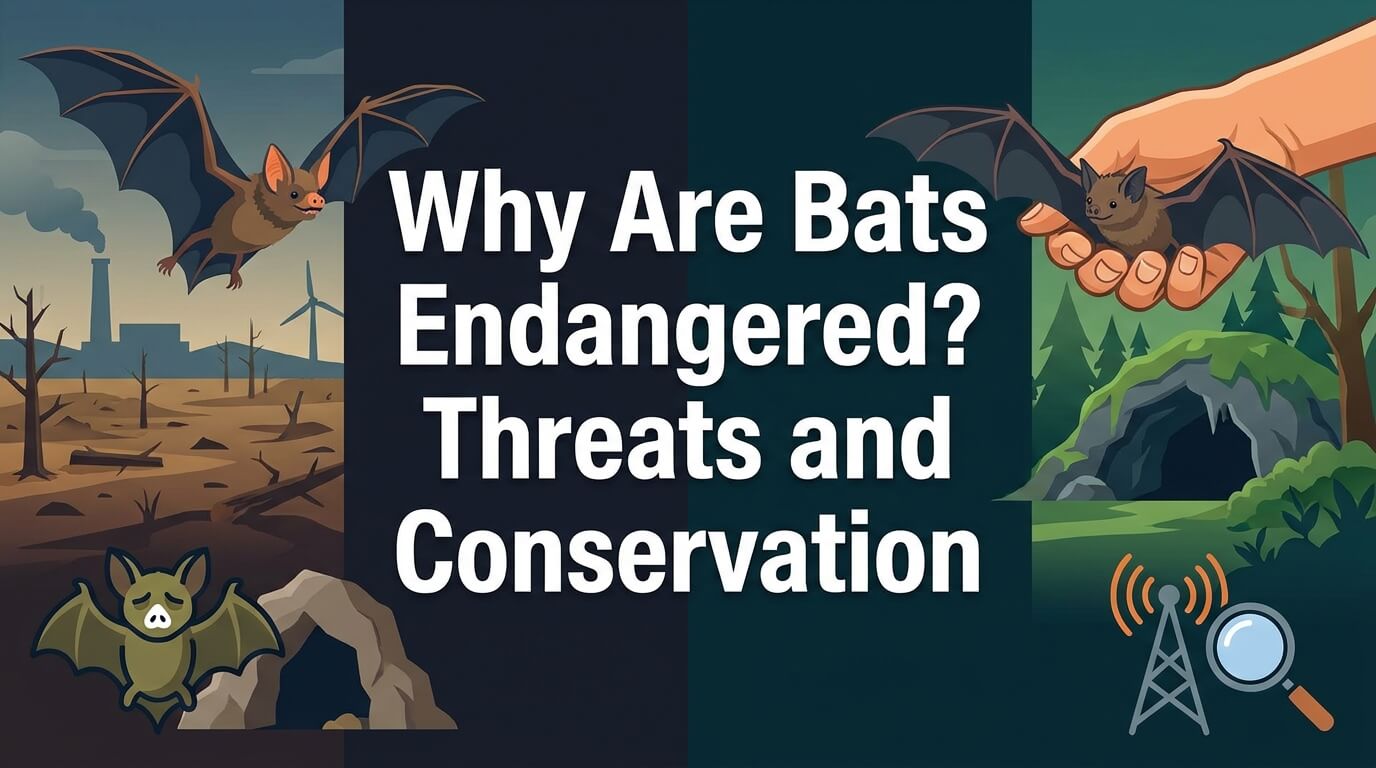
Why Are Bats Endangered? Threats and Conservation

Some bats are endangered because their populations have been reduced by habitat loss, disturbance at essential roosts, disease, hunting, persecution, contaminants, climate-related extremes, and collisions with wind turbines. The combination differs sharply among species. A cave-dependent bat on a small island may face a completely different risk pattern from a widespread tree-roosting bat that migrates … Read more

Why Are Bats Important? Pest Control, Pollination, and Seed Dispersal

Why Are Bats Important? Pest Control, Pollination, and Seed Dispersal

Bats are important because different species perform several kinds of ecological work. Insect-eating bats hunt moths, beetles, flies, and other arthropods. Nectar-feeding bats move pollen between flowers. Fruit-eating bats carry seeds away from parent plants. Cave-roosting colonies also transport nutrients from outside feeding areas into dark underground ecosystems. Those benefits are real, but they are … Read more