How Animals Are Classified: Taxonomy Explained
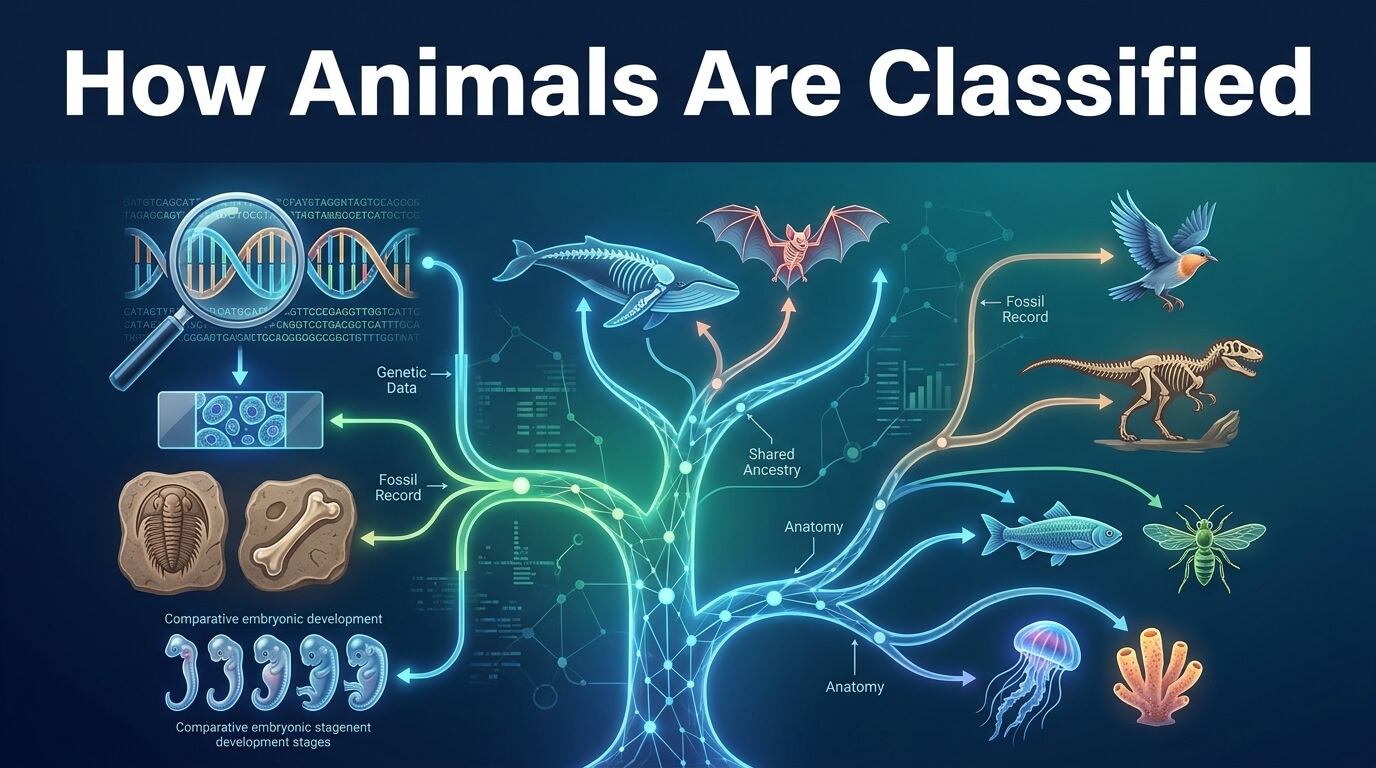
How Animals Are Classified

Scientists classify animals by comparing many kinds of evidence, not by choosing one obvious feature such as size, habitat, color, or whether an animal can fly. They examine body structures, development, behavior, ecology, fossils, proteins, and DNA. They then test which grouping best explains the pattern of shared traits and common ancestry. Modern animal classification … Read more
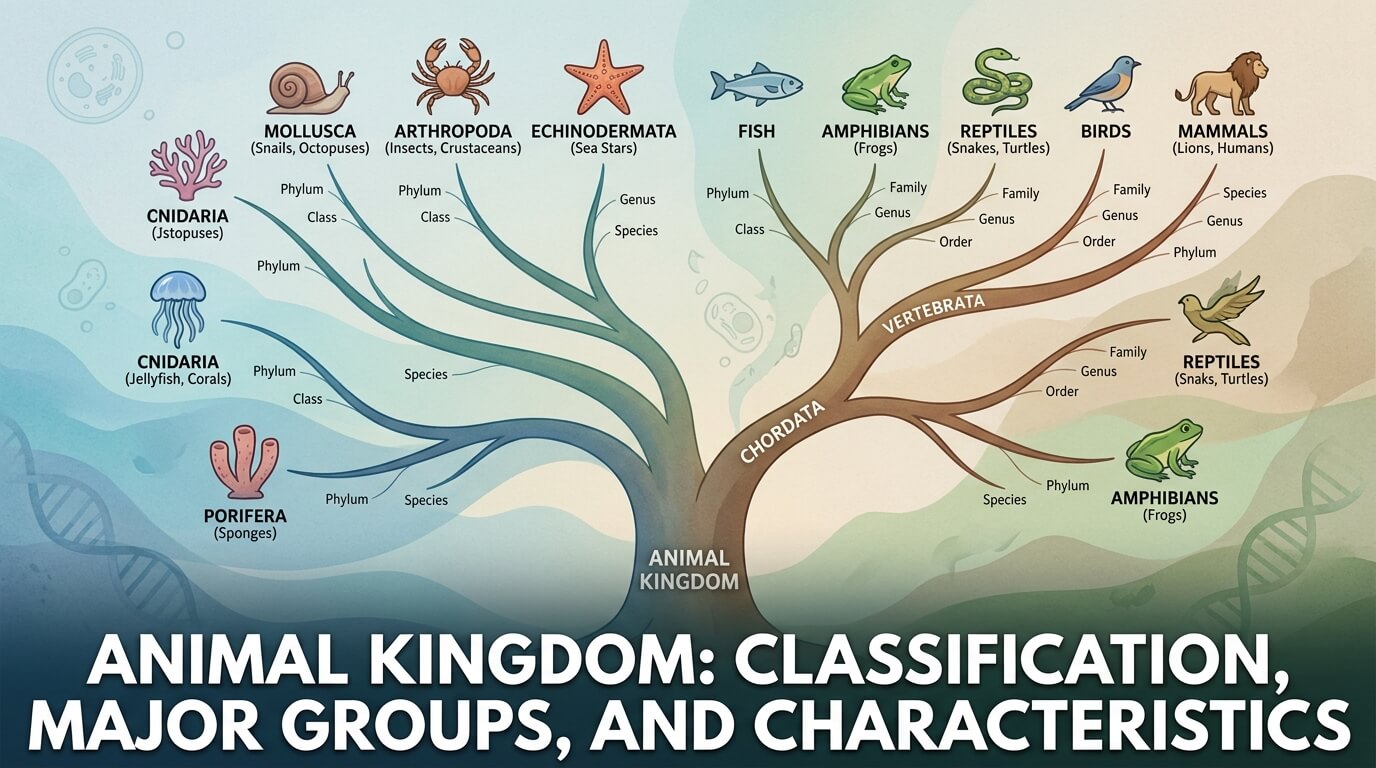
Animal Kingdom Classification: Groups and Traits

Animal Kingdom: Classification, Major Groups, and Characteristics

The animal kingdom includes organisms as different as sponges, beetles, sea stars, sharks, frogs, eagles, and humans. Scientists place them together in Kingdom Animalia because they share a deep evolutionary origin and a broad set of biological features. Animals are multicellular eukaryotes, meaning their bodies are made of many cells with nuclei. They obtain energy … Read more

How Smart Are Crows? What Science Shows

How Smart Are Crows? What Science Shows

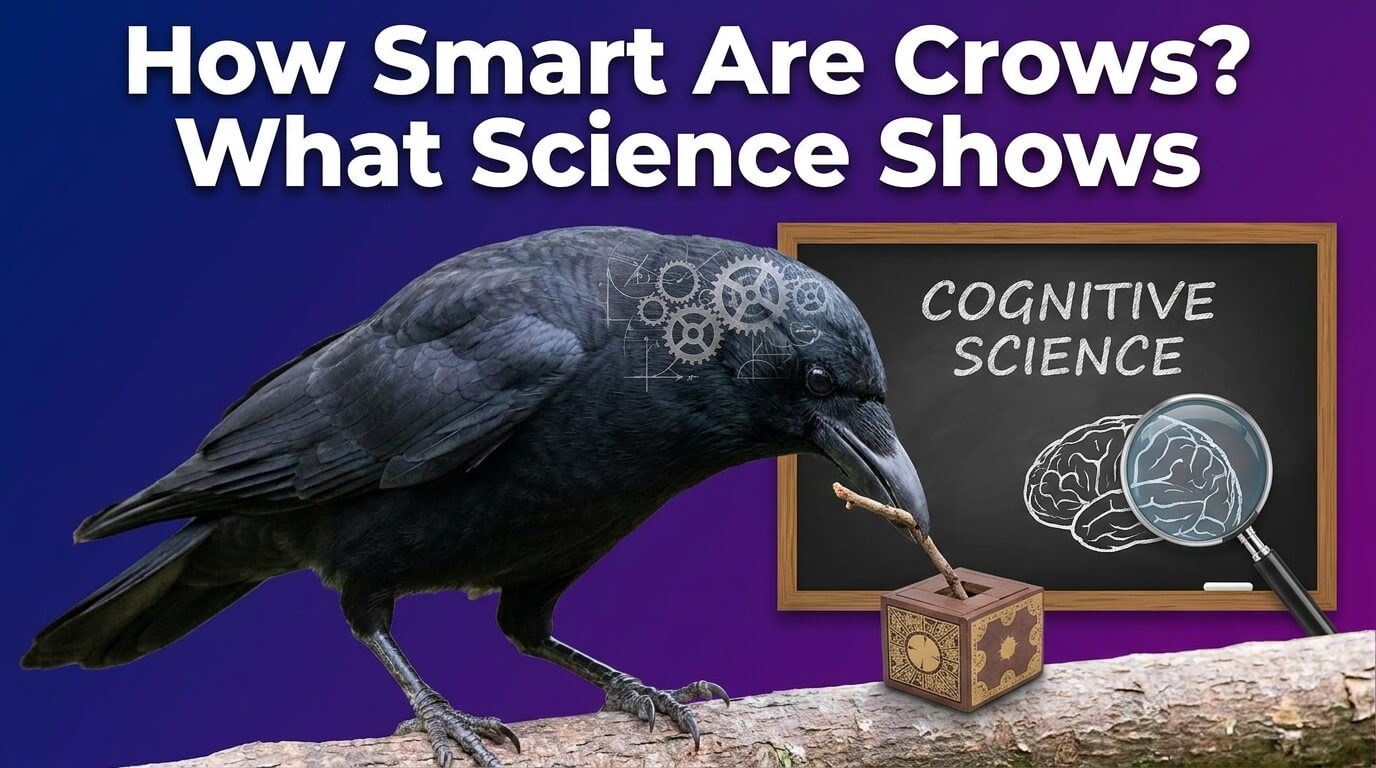
Crows are highly capable problem solvers, social learners, and long-term observers of their surroundings. Some can recognize individual people, learn which situations are risky, remember useful locations, and adjust their behavior when familiar strategies stop working. New Caledonian crows go further in a specialized domain: they manufacture hooked tools and can solve carefully designed multi-step … Read more

How Smart Are Dolphins? What Science Shows

How Smart Are Dolphins? What Research Reveals

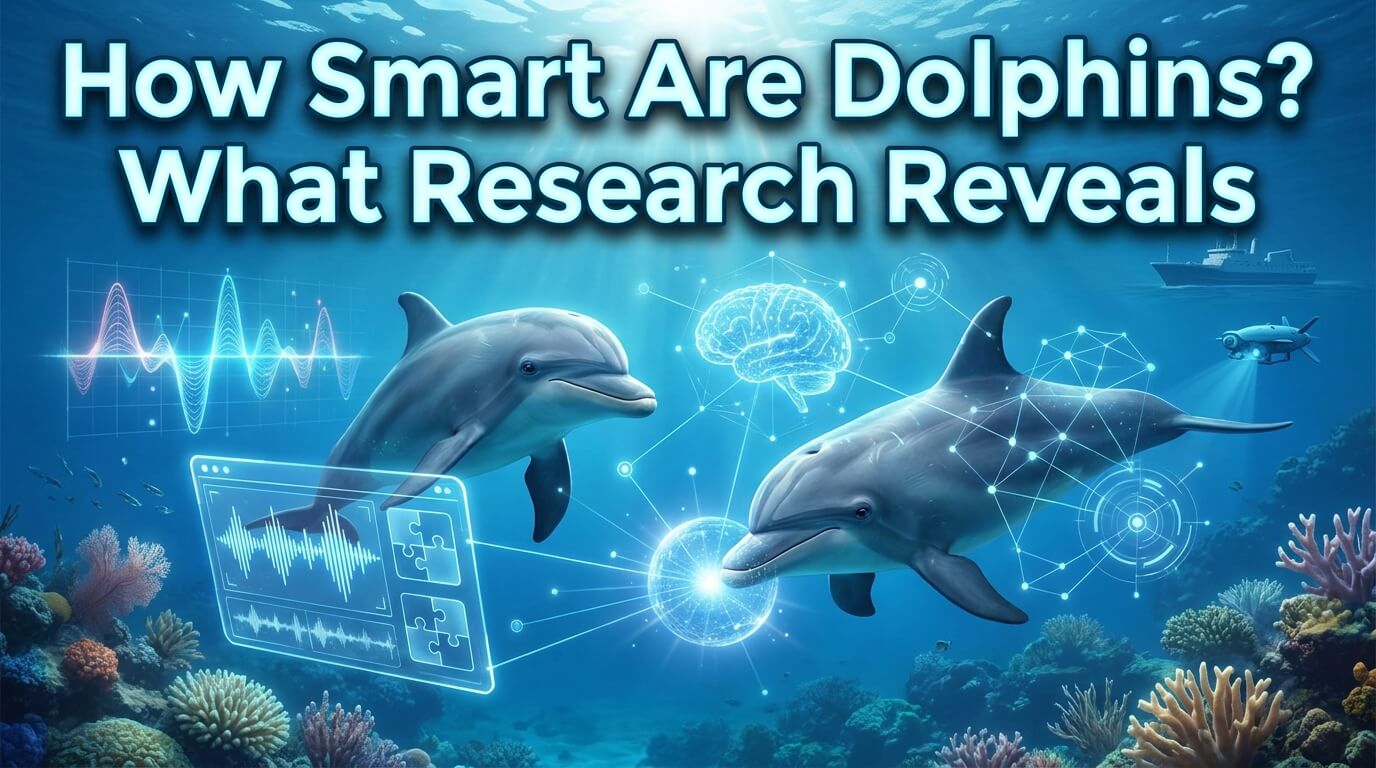
Dolphins are highly capable learners with strong social memory, flexible communication, sophisticated cooperation, and several locally learned foraging traditions. Those findings make them important subjects in the study of animal minds. They do not, however, provide a scientific basis for assigning dolphins a human IQ score or saying that a dolphin thinks like a child … Read more

Animal Self-Recognition: Can Animals Know Themselves?

Can Animals Recognize Themselves? The Science of Animal Self-Recognition

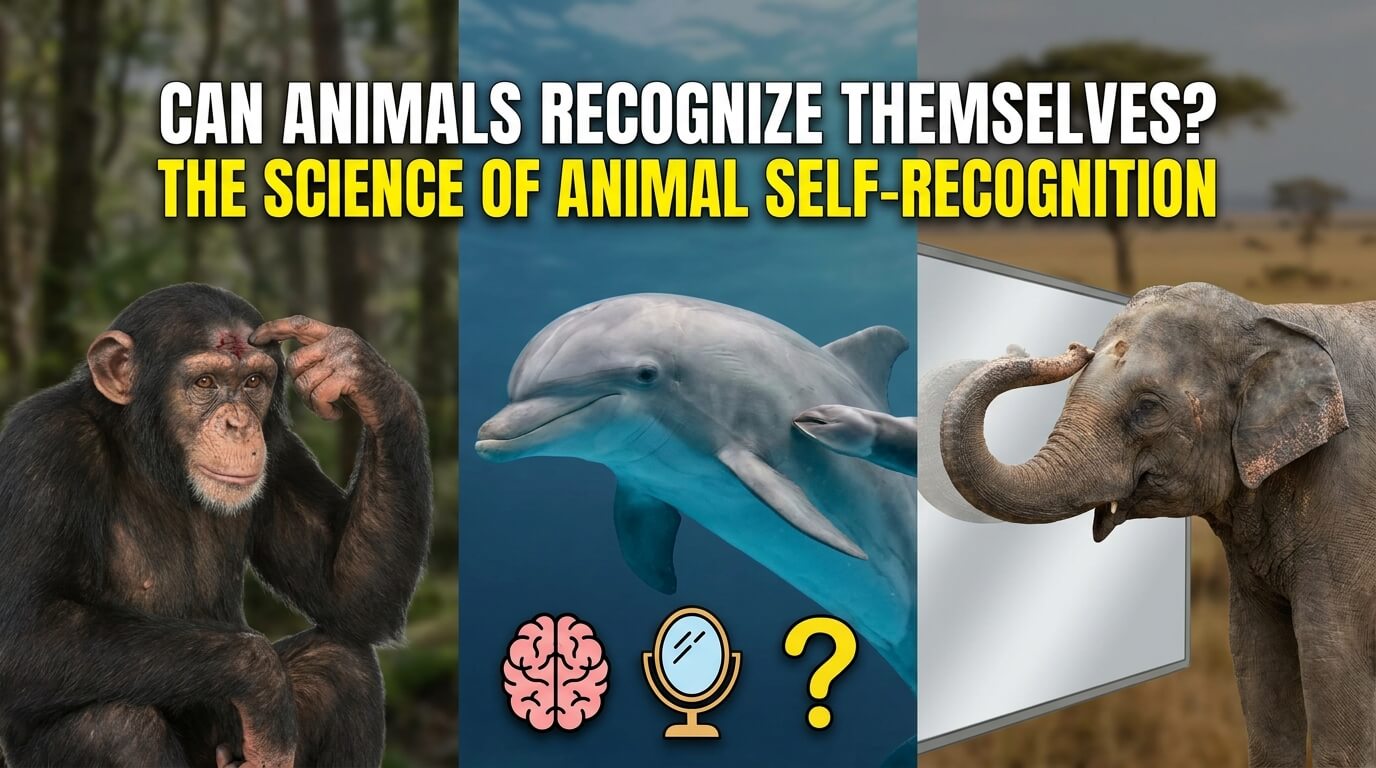
Some animals behave in front of a mirror as though they understand that the reflection is connected to their own body. Chimpanzees may inspect hidden body parts, dolphins may position themselves to view a mark, and an elephant may touch a visible mark on her own head. These findings support animal self-recognition, but they do … Read more

Do Animals Have Emotions? What Science Shows

Do Animals Have Emotions? What Science Can Tell Us

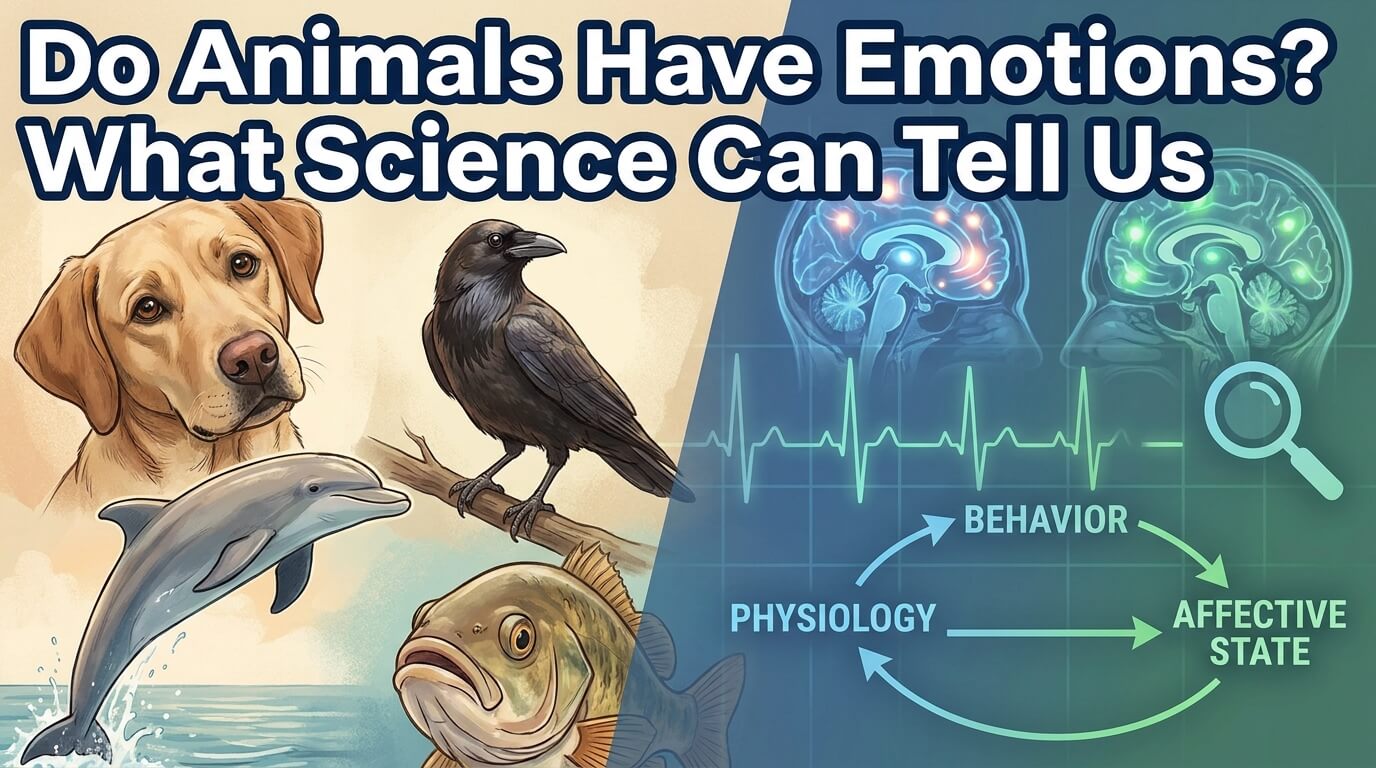
Animals show measurable emotional responses. A frightened deer becomes alert and prepares to escape. A dog anticipates a valued activity. Young mammals and birds often seek play, while bonded animals may become distressed when separated. These changes involve behavior, physiology, attention, learning, and decision-making, not just expressions that happen to look human. The harder question … Read more

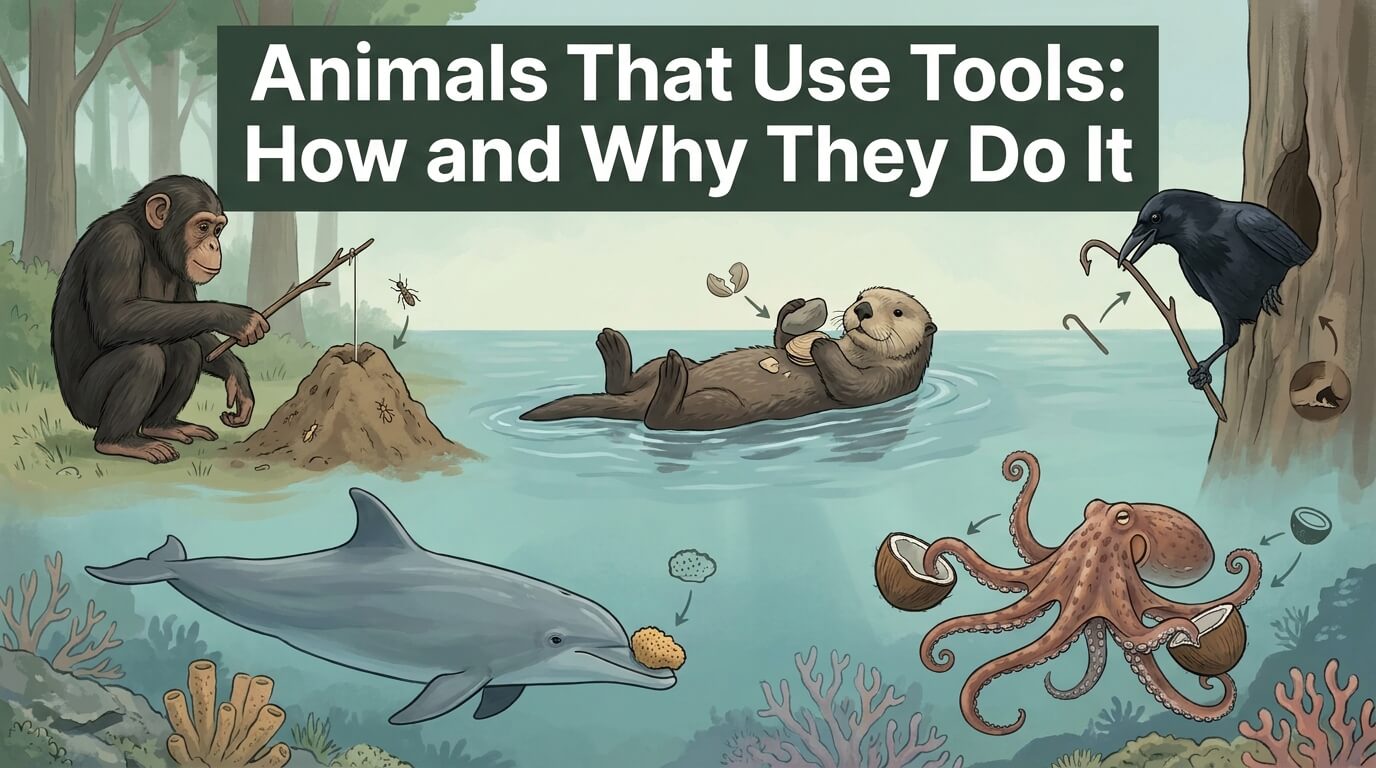
Animals That Use Tools: How and Why They Do It

Animals That Use Tools: How and Why They Do It

Animals that use tools include chimpanzees, orangutans, capuchin monkeys, New Caledonian crows, woodpecker finches, sea otters, bottlenose dolphins, wrasses, octopuses, and even some ants. Their tools are not miniature copies of human technology. They are sticks, stones, leaves, sponges, shells, plant fibers, and other objects that help an animal reach food, protect its body, or … Read more

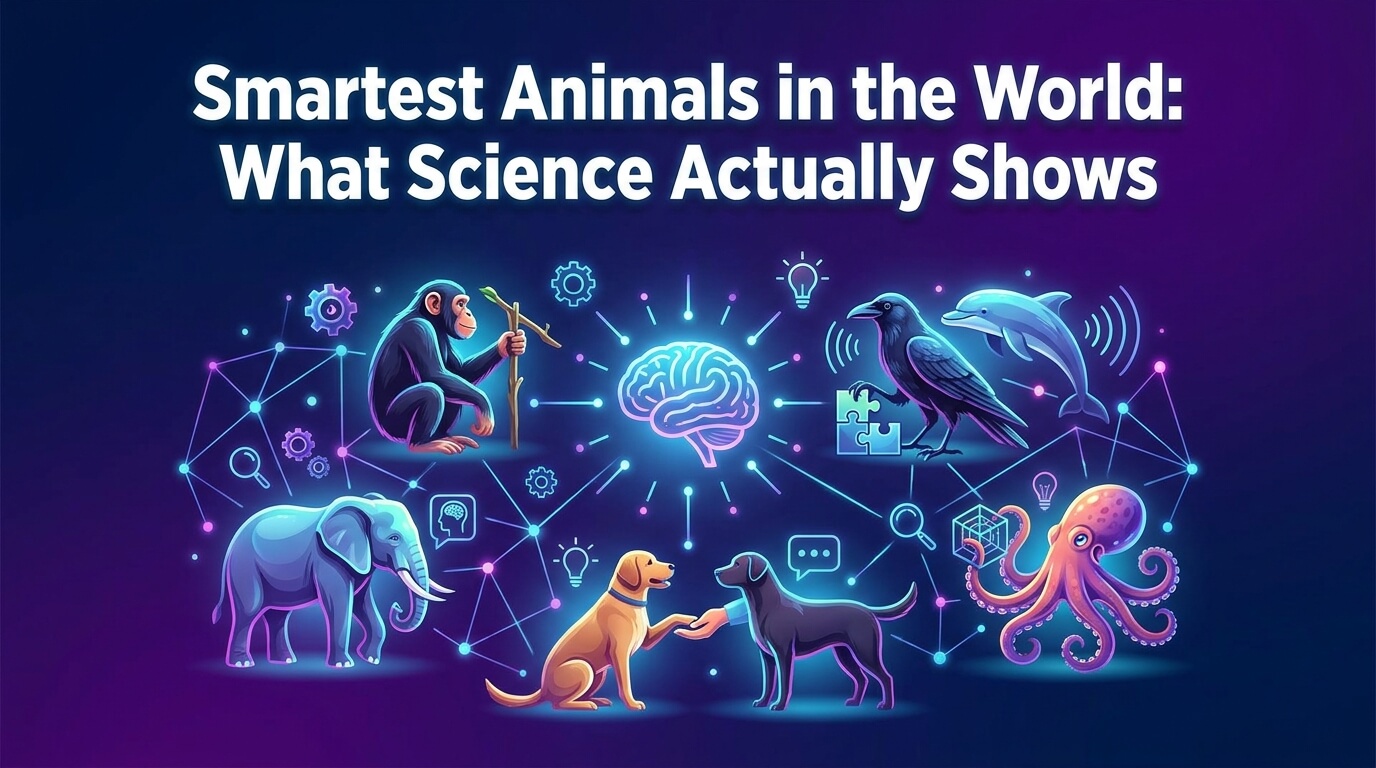
Smartest Animals in the World: What Science Shows

Smartest Animals in the World: What Science Actually Shows

The smartest animals in the world cannot be placed in one fully objective ranking. Chimpanzees solve physical and social problems, dolphins manage complicated relationships, crows manufacture tools, parrots learn symbolic labels, elephants retain socially useful information, dogs read human signals, and octopuses explore objects with a nervous system unlike that of any mammal. Each example … Read more

Animal Intelligence: How Smart Are Animals?

Animal Intelligence: How Smart Are Animals?

Animal intelligence is the ability to take in information, learn from experience, remember useful details, make decisions, and adjust behavior when conditions change. It is not a single trait that can be measured with one universal score. A crow, dolphin, chimpanzee, octopus, bee, and dog face very different problems, use different senses, and control very … Read more