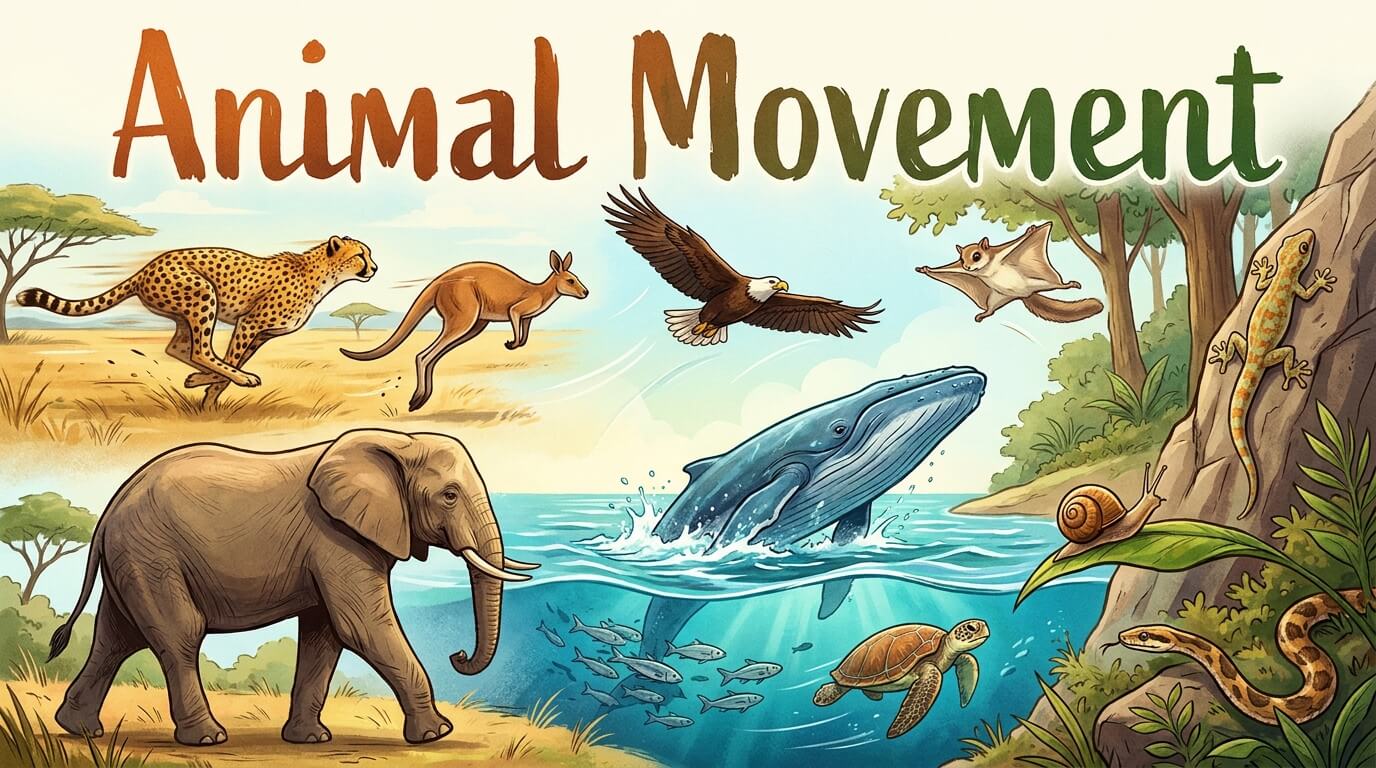
Animal Movement: How Animals Walk, Swim, Fly, and Climb

Animal Movement thumbnail

Animal movement is the way animals travel, reposition their bodies, and interact with the world around them. It includes walking, running, swimming, flying, jumping, gliding, climbing, crawling, burrowing, and many smaller motions that help animals feed, escape danger, find mates, reach shelter, and explore their surroundings. The simple idea is this: animals do not move … Read more

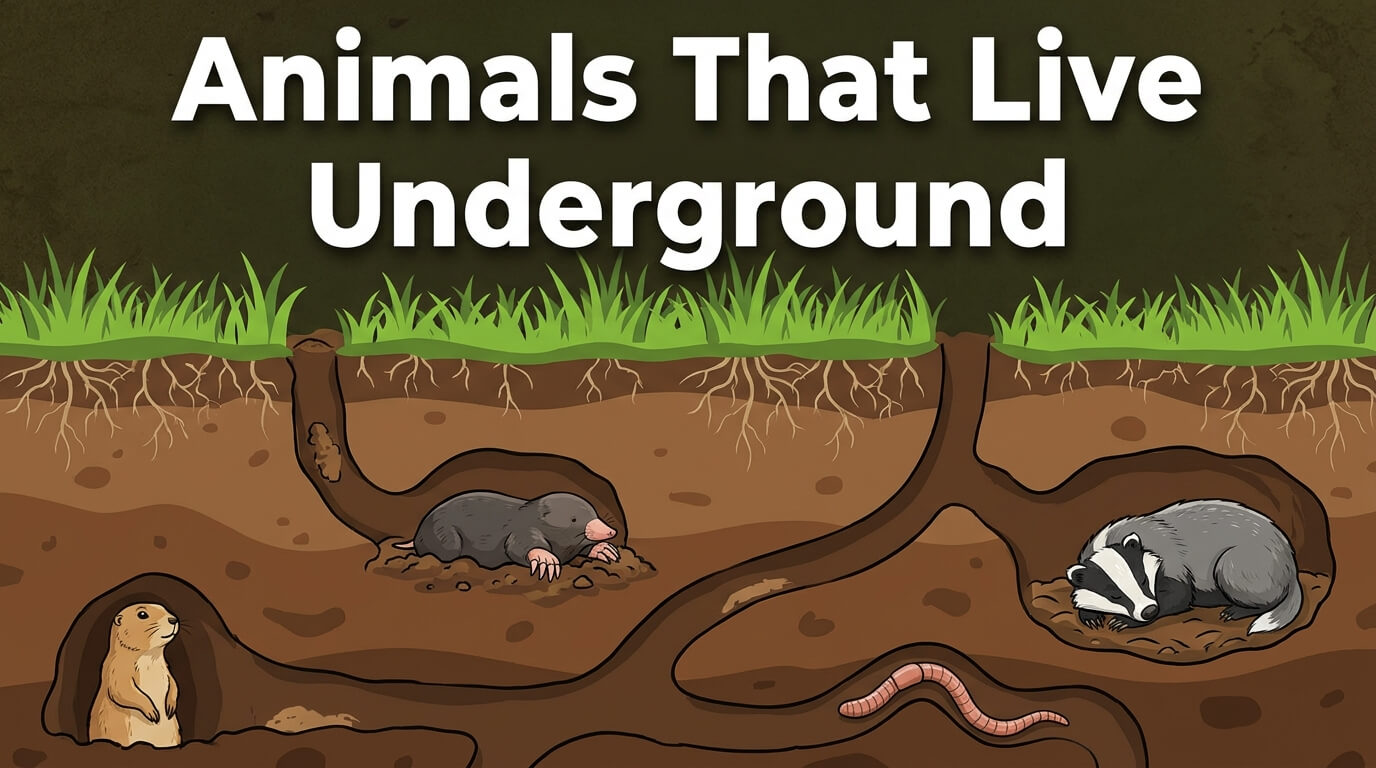
Animals That Live Underground: Burrows and Adaptations

Animals That Live Underground thumbnail

Animals that live underground use soil the way other animals use trees, water, rocks, or open grassland. A burrow can be a nursery, shelter, pantry, sleeping chamber, temperature refuge, ambush site, escape tunnel, or whole colony. Some underground animals spend nearly their entire lives below the surface. Others only dig when they need to nest, … Read more

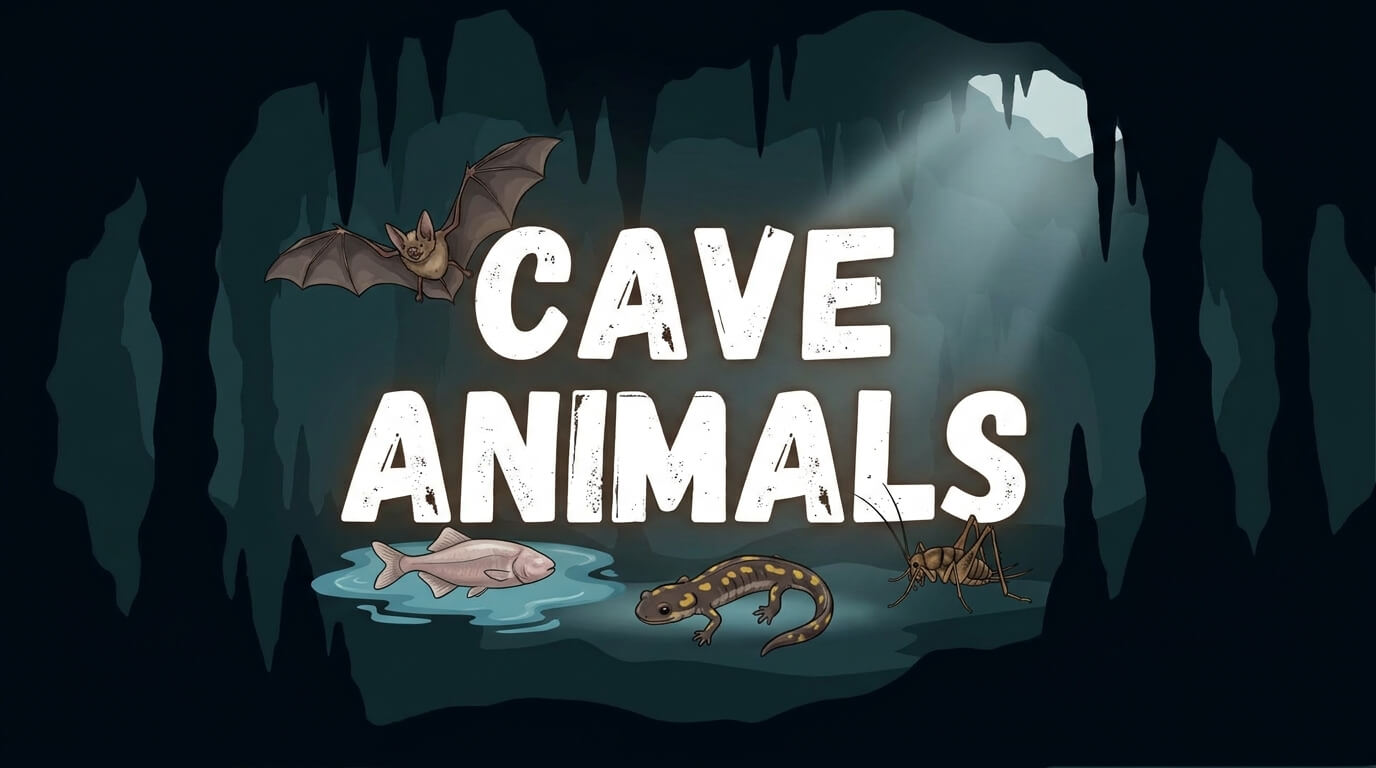
Cave Animals: Life in Dark Underground Habitats

Cave Animals thumbnail

Cave animals are wildlife that use caves for shelter, feeding, breeding, hibernation, or complete life in darkness. Some, such as many bats, leave the cave to feed and return to roost. Others, such as certain cavefish, salamanders, spiders, insects, and crustaceans, may spend their entire lives in dark underground spaces. The most specialized cave animals … Read more

Wetland Animals

Wetland Animals thumbnail

Wetland animals live in places where land and water meet, mix, rise, fall, freeze, dry, and flood. Frogs, salamanders, ducks, herons, alligators, turtles, muskrats, beavers, dragonflies, snails, crayfish, and countless small invertebrates can all be part of wetland wildlife, depending on the region and wetland type. The main thing they share is not one body … Read more

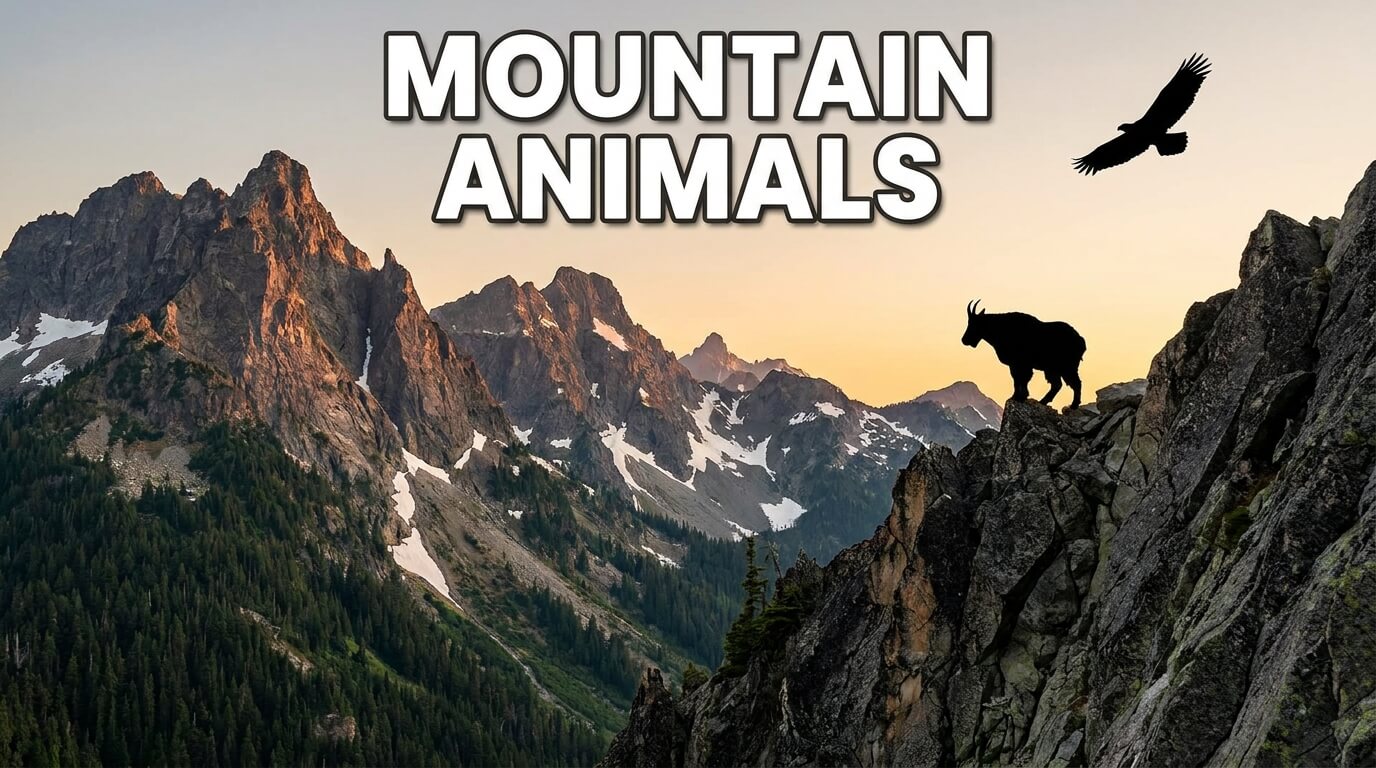
Mountain Animals

Mountain Animals thumbnail

Mountain animals live in some of the most demanding habitats on land. Their world can shift from warm sun to freezing wind in the same day, and the best food may be scattered across cliffs, meadows, forests, rocky slopes, and snow edges. Some mountain wildlife survives by climbing better than most predators can follow. Some … Read more

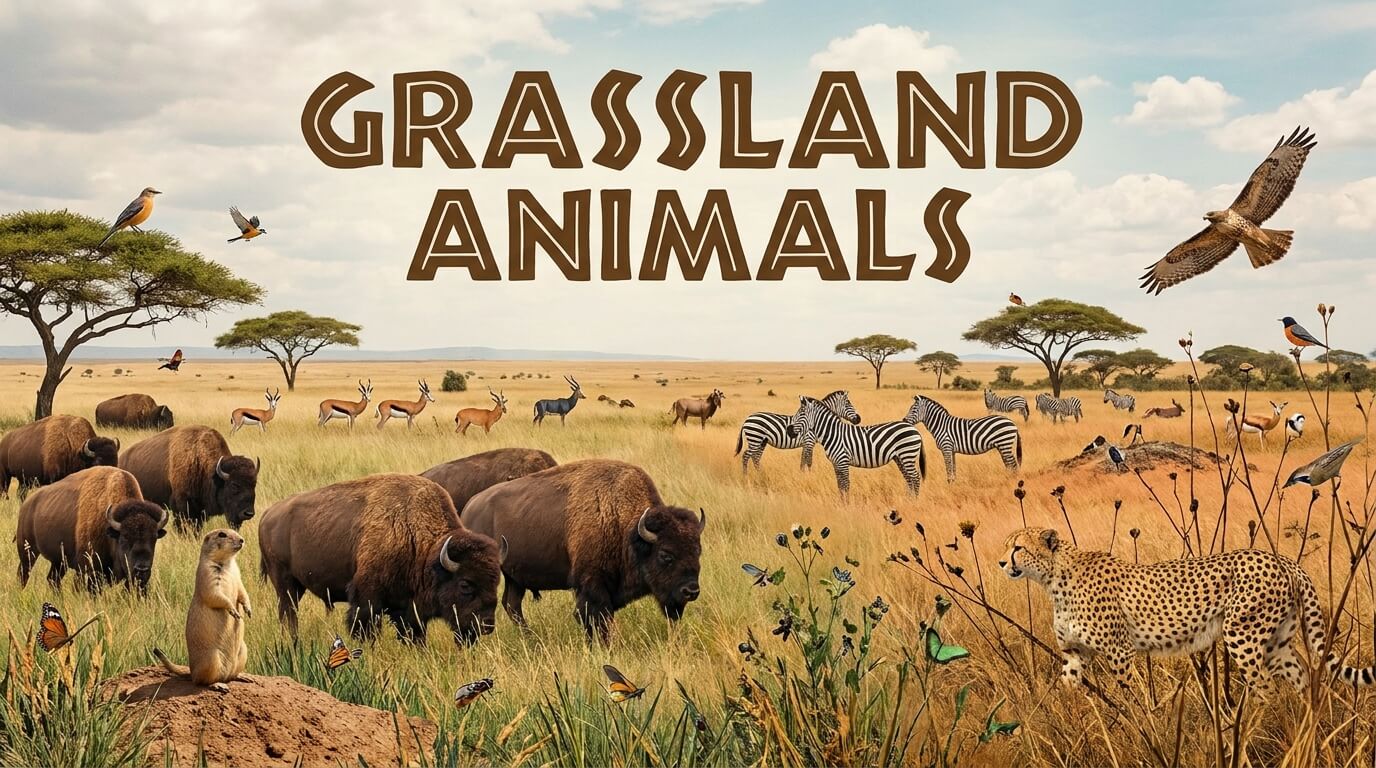
Grassland Animals

Grassland Animals thumbnail

Grassland animals live in open habitats where grass, wind, sunlight, distance, and seasonal change shape many survival decisions. A grassland may look simple because it lacks the vertical layers of a forest, but it can be packed with life. Grazers crop plants, predators scan long sightlines, birds nest low to the ground, insects feed the … Read more