What Do Carnivorans Eat? Diet Diversity Explained
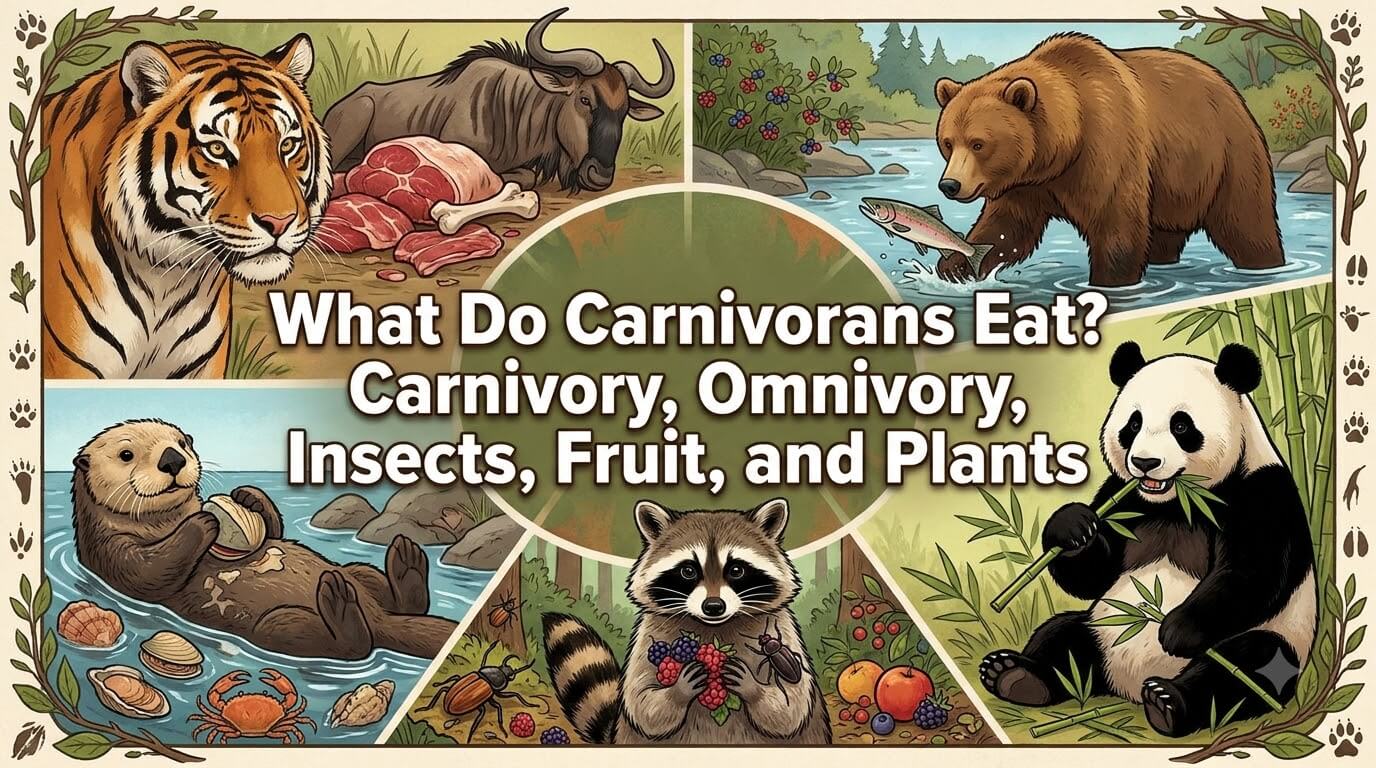
What Do Carnivorans Eat? Carnivory, Omnivory, Insects, Fruit, and Plants

Carnivorans do not all eat the same kind of food. The mammalian order Carnivora includes strongly meat-specialized cats, flexible canids, bears that range from seal-eating polar bears to bamboo-specialized giant pandas, fruit-eating or omnivorous procyonids and viverrids, insect-eating mongooses, fish-catching otters, and marine pinnipeds that feed on many kinds of ocean prey. That diversity is … Read more
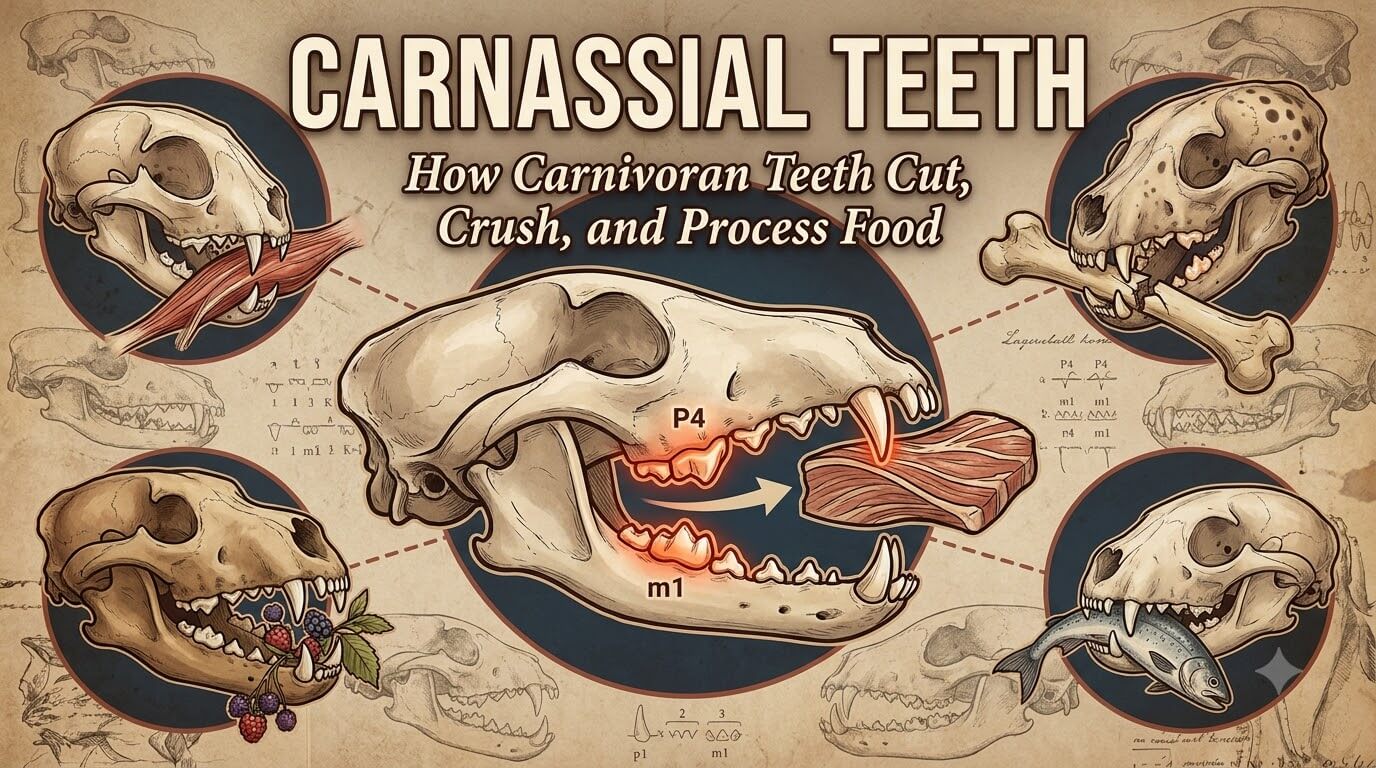
Caniformia: Dogs, Bears, Seals, Otters & Relatives

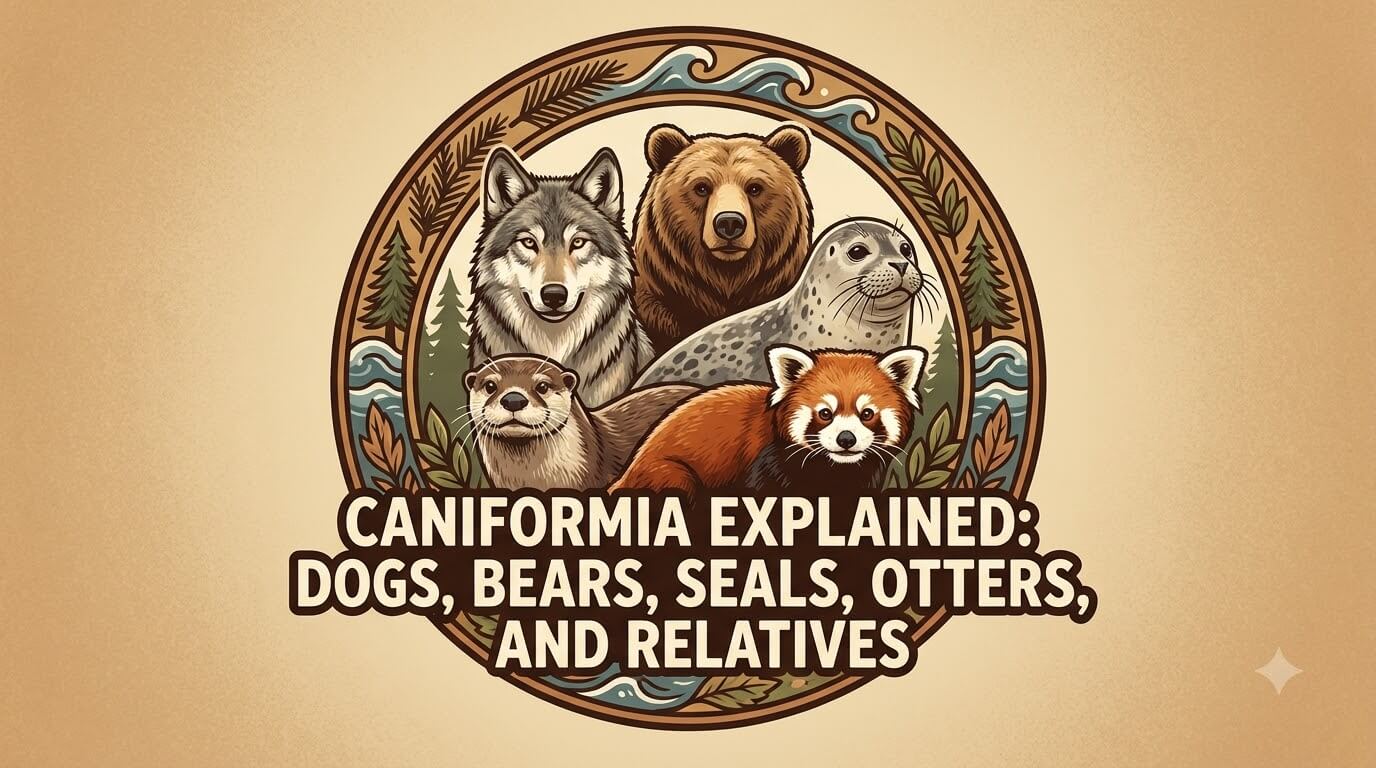
Caniformia Explained: Dogs, Bears, Seals, Otters, and Relatives

Caniformia is one of the two major living branches of the mammalian order Carnivora. The name literally points toward a “dog-like” branch, but that label can be misleading if taken too literally. Caniforms include dogs and foxes, yet they also include bears, red pandas, raccoons, skunks, weasels, otters, seals, sea lions, and walruses. Some run … Read more

Feliformia: Cats, Hyenas, Mongooses & Civets

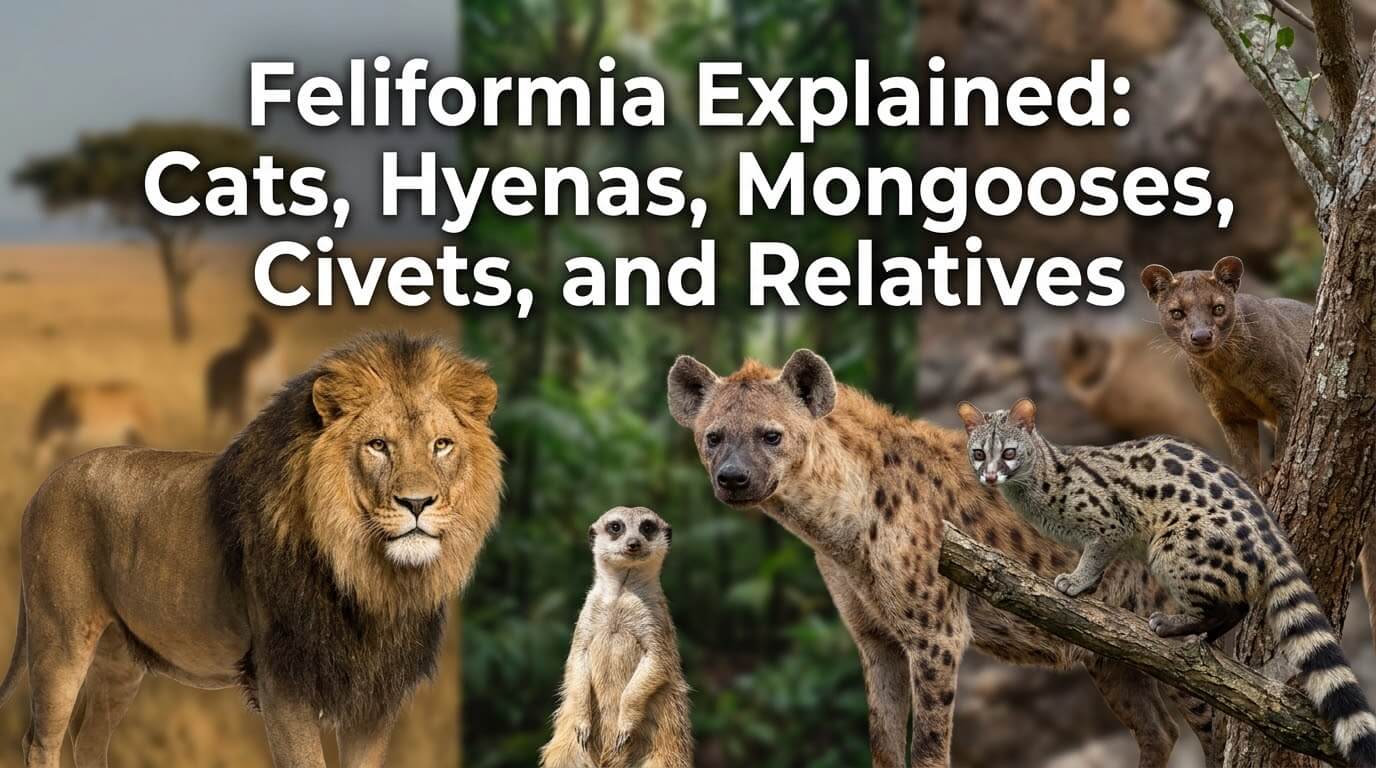
Feliformia Explained: Cats, Hyenas, Mongooses, Civets, and Relatives

Feliformia is one of the two major living branches of the mammalian order Carnivora. It includes the cat family, but it also includes hyenas, mongooses, Malagasy carnivorans, civets, genets, Asian linsangs, and the African palm civet. That makes Feliformia much broader than the familiar phrase “cat-like carnivorans” can suggest. The members of this branch share … Read more

Feliforms vs Caniforms: Key Differences Explained

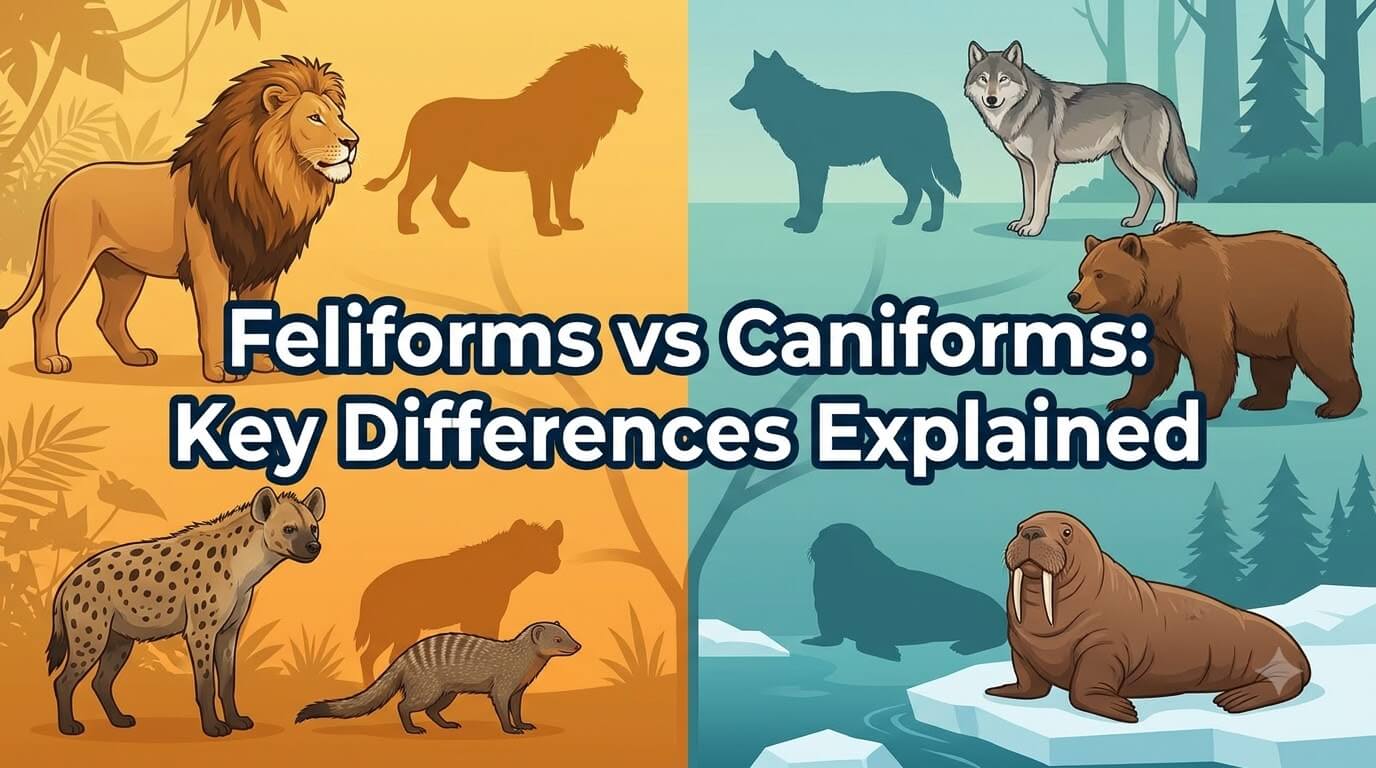
Feliforms vs Caniforms: Key Differences Explained

Feliforms and caniforms are the two major living branches of the mammalian order Carnivora. Feliformia includes cats, hyenas, mongooses, civets, Malagasy carnivorans, Asiatic linsangs, and the African palm civet. Caniformia includes dogs, bears, red pandas, raccoons, skunks, mustelids such as otters and badgers, plus seals, sea lions, and walruses. The names are often translated as … Read more

What Is a Carnivoran? Order Carnivora Explained

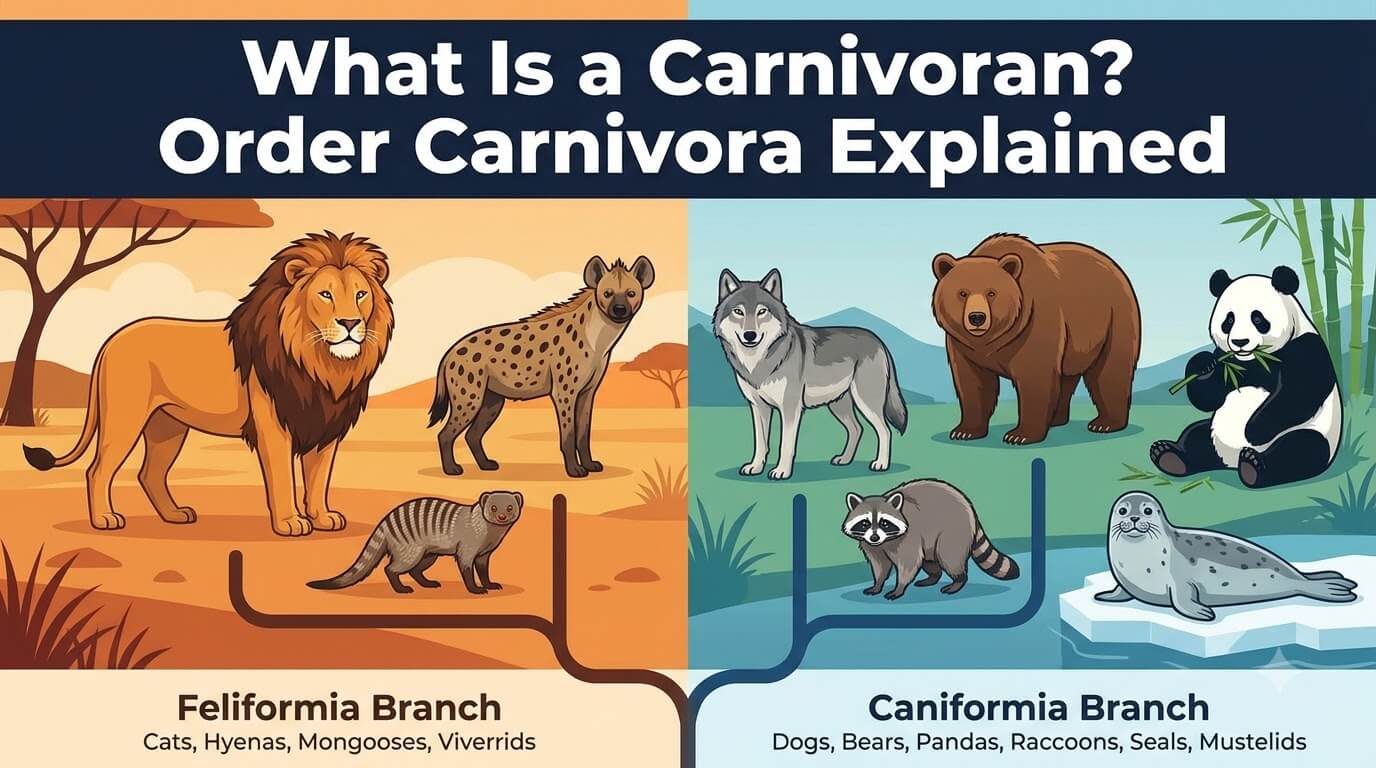
What Is a Carnivoran? Order Carnivora Explained

A carnivoran is a mammal that belongs to the scientific order Carnivora. Cats, dogs, bears, hyenas, mongooses, raccoons, otters, seals, sea lions, and walruses are all carnivorans because they share membership in this evolutionary branch of mammals. The word does not simply mean “an animal that eats meat.” That distinction matters because some carnivorans eat … Read more

Carnivoran Mammals: Cats, Dogs, Bears & Seals

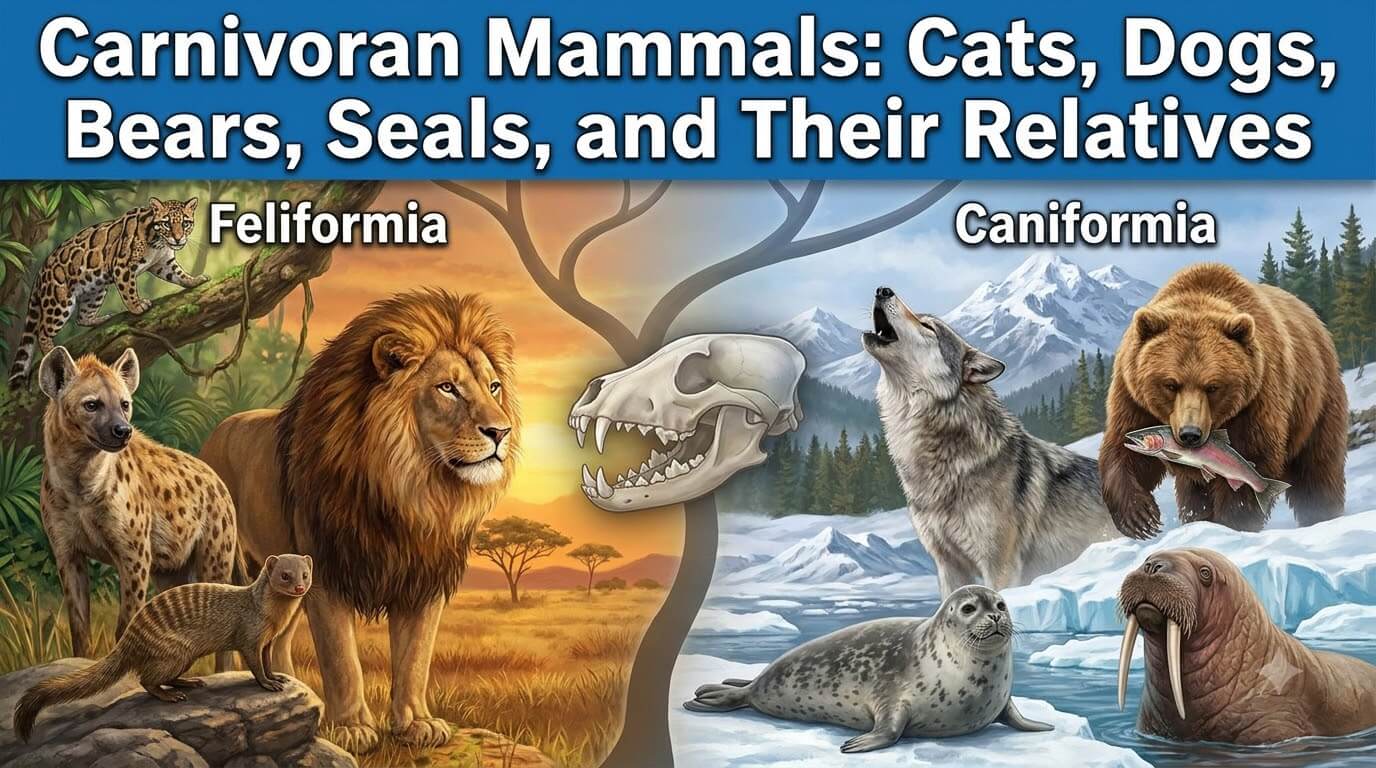
Carnivoran Mammals: Cats, Dogs, Bears, Seals, and Their Relatives

Carnivoran mammals are members of the mammalian order Carnivora, a branch of the mammal family tree that includes cats, dogs, bears, hyenas, mongooses, raccoons, skunks, otters, seals, walruses, and many less familiar relatives. The name can be misleading. A carnivoran is defined by evolutionary relationship and classification, not simply by eating meat. That distinction explains … Read more

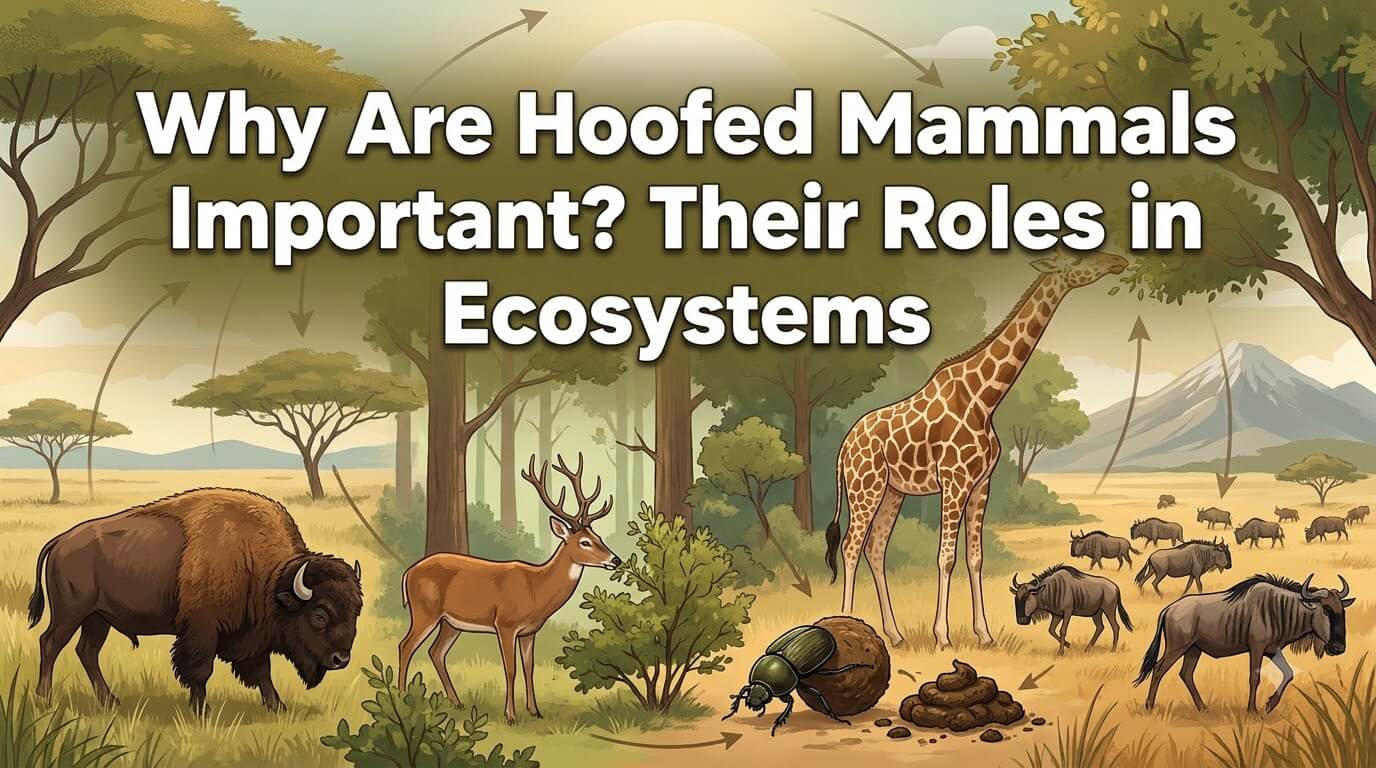
Why Are Hoofed Mammals Important? Ecosystem Roles

Why Are Hoofed Mammals Important? Their Roles in Ecosystems

Hoofed mammals are important because they move energy, nutrients, seeds, and physical disturbance through ecosystems. Grazers such as bison can reshape grasslands. Browsers such as deer and giraffes can alter the growth of shrubs and young trees. Fruit-eating tapirs can disperse seeds. Dung supports microbes and invertebrates, carcasses feed scavengers and decomposers, and migrating herds … Read more

Where Do Hoofed Mammals Live? Habitats & Adaptations

Where Do Hoofed Mammals Live? Habitats and Survival Adaptations

Hoofed mammals live in an extraordinary range of habitats, from tropical rainforests and African savannas to deserts, alpine cliffs, Arctic tundra, wetlands, and river systems. Their habitats are as diverse as their bodies. A zebra crossing open grassland faces different problems from a tapir moving through dense forest, a mountain goat balancing on a rocky … Read more

Hoofed Mammal Migration: Ranges & Corridors

Hoofed Mammal Migration: Seasonal Ranges, Herds, and Migration Corridors

Hoofed mammal migration is the repeated seasonal movement of ungulates between areas that provide different resources or conditions at different times of year. A mule deer may leave a low-elevation winter range and move toward higher summer habitat. Caribou may shift between wintering areas, calving grounds, and summer ranges. Wildebeest and zebras can track rainfall … Read more