Reptiles vs Amphibians: Key Differences Explained

Reptiles vs Amphibians: Key Differences Explained
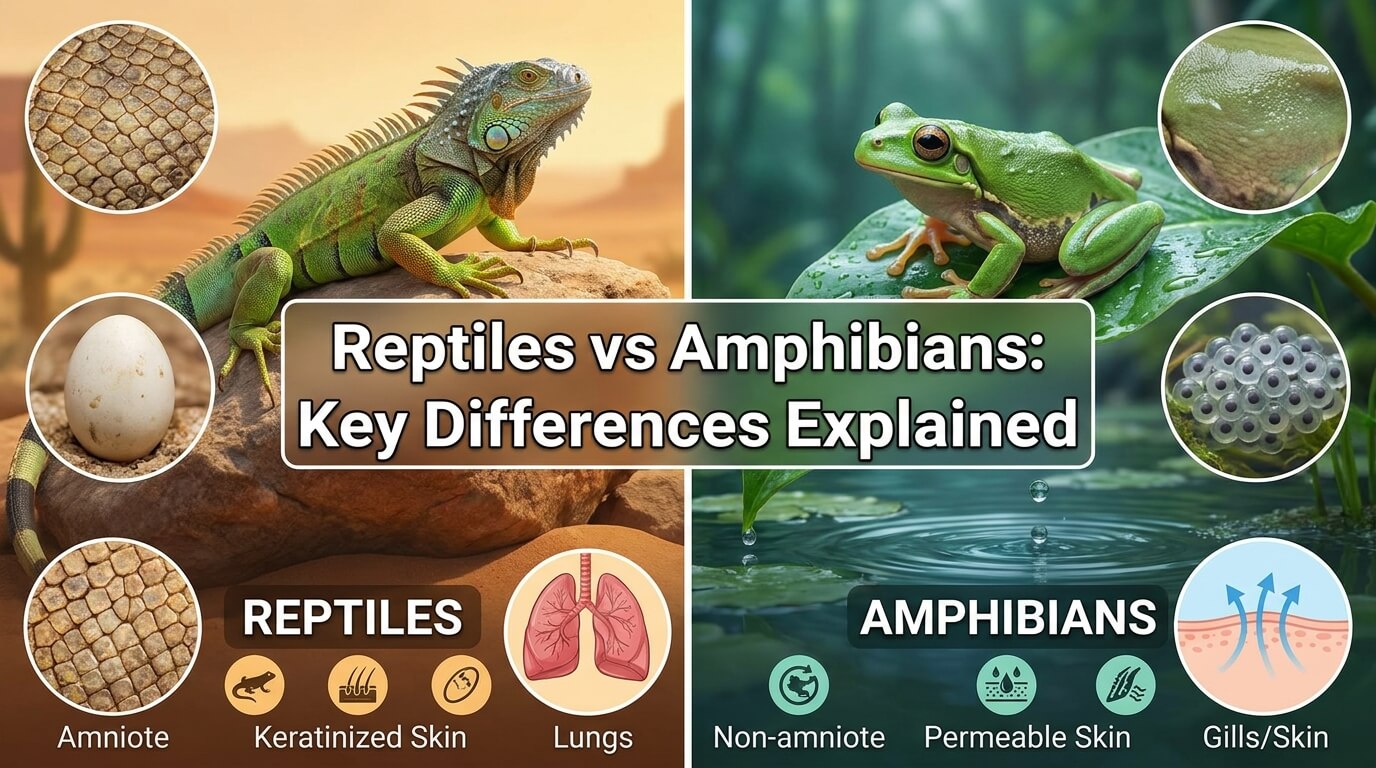
Reptiles and amphibians can look surprisingly similar. A salamander may be mistaken for a lizard, a caecilian can resemble a snake, and turtles are sometimes wrongly grouped with amphibians because many live around water. The most important differences are biological rather than superficial. Living non-avian reptiles are amniotes with keratinized skin and lungs, while amphibians … Read more
Major Reptile Groups: Squamates, Turtles & More

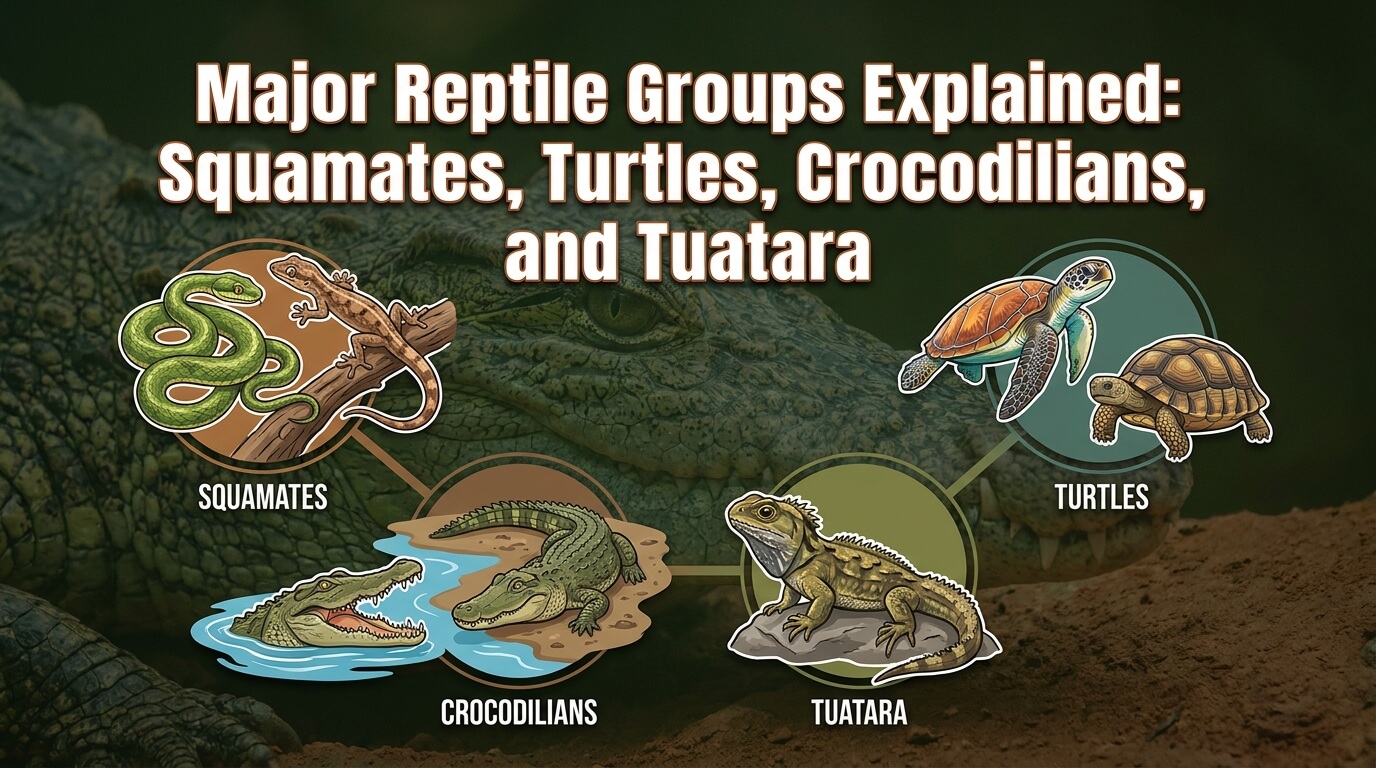
Major Reptile Groups Explained: Squamates, Turtles, Crocodilians, and Tuatara

The major reptile groups are easier to understand when familiar animal names are placed inside a modern evolutionary framework. For living non-avian reptiles, four broad lineages provide a useful starting point: Squamata, Testudines, Crocodylia, and Rhynchocephalia. Together they include snakes, the many animals commonly called lizards, amphisbaenians, turtles and tortoises, crocodiles, alligators, caimans, gharials, and … Read more

What Makes an Animal a Reptile? Key Traits

What Makes an Animal a Reptile? Key Traits Explained

What makes an animal a reptile is not one simple feature such as scales, egg laying, or being “cold-blooded.” Reptiles are best understood through evolutionary ancestry plus a pattern of biological traits. Living non-avian reptiles are vertebrate amniotes that breathe with lungs, have strongly keratinized outer body coverings, and are ectothermic, while reproduction, body shape, … Read more

Reptiles: Types, Traits, Habitats & Adaptations

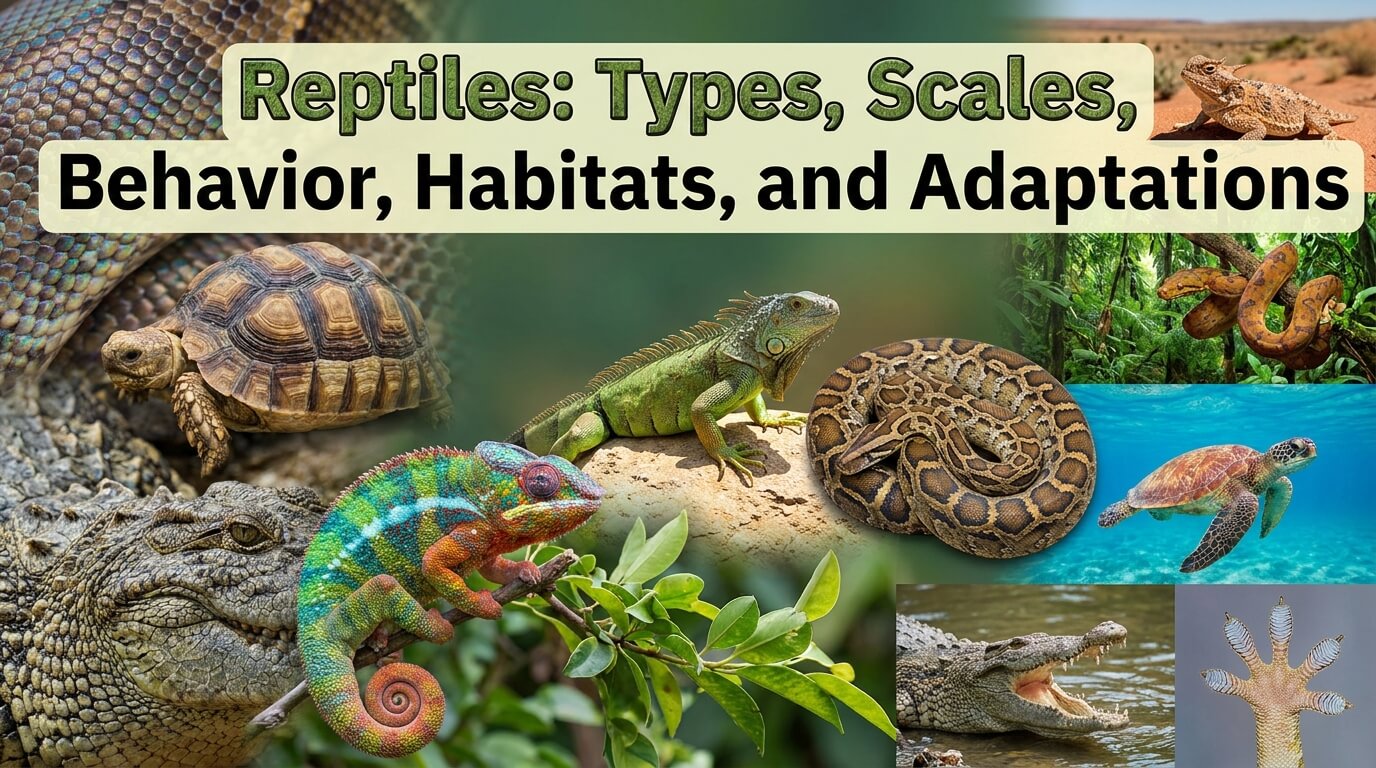
Reptiles: Types, Scales, Behavior, Habitats, and Adaptations

Reptiles are a remarkably varied group of vertebrates that includes snakes, the many animals commonly called lizards, turtles and tortoises, crocodilians, amphisbaenians, and tuatara. They share an evolutionary history and a set of broad biological themes, but there is no single simple rule that describes every reptile. Some have legs and some do not. Some … Read more

Venomous Snake Facts: How Snake Venom Works and Why It Matters

Venomous Snake Facts: How Snake Venom Works and Why It Matters featured image

Venomous snakes capture curiosity and fear in equal measure. This article explains what “venomous” means, how venom systems work, why snakes use venom, common categories of venom effects, how venom helps with hunting and digestion, and how to think about safety and conservation. The goal is clear, evidence-aware explanation rather than sensationalism. Quick facts What … Read more

Sea Snake Facts: Venom, Ocean Adaptations, and Survival

Sea Snake Facts: Venom, Ocean Adaptations, and Survival featured image

Quick Sea Snake Facts Habitat Sea snakes are a group of snakes adapted to life in marine environments. Most species are associated with warm, shallow coastal waters and insular sea areas, and they are often seen around coral reefs, mangroves, and seagrass beds. Information about their distributions and conservation status is documented in global conservation … Read more

Boa Constrictor Snake Facts: Size, Hunting, Habitat, and Behavior

Boa Constrictor Snake Facts: Size, Hunting, Habitat, and Behavior featured image

Quick Boa Constrictor Facts Scientific name The term boa constrictor commonly refers to members of a species complex historically grouped under the scientific name Boa constrictor. Taxonomy for boas has been revised over time, and regional forms may be treated differently by researchers. For up-to-date conservation assessments and taxonomic notes, consult the IUCN Red List … Read more

Non-Venomous Snake Facts: How Harmless Snakes Hunt, Survive, and Help Nature

Non-Venomous Snake Facts: How Harmless Snakes Hunt, Survive, and Help Nature featured image

Quick Non-Venomous Snake Facts What Non-Venomous Means A non-venomous snake does not produce or deliver venom through specialized venom glands and fangs. These species rely on tactics such as grasping, constriction, ambush, or active pursuit to capture and consume prey. For clinical and anatomical differences between venomous and non-venomous bites, see the Merck Veterinary Manual … Read more

Garter Snake Facts: What You Should Know About This Common Backyard Snake

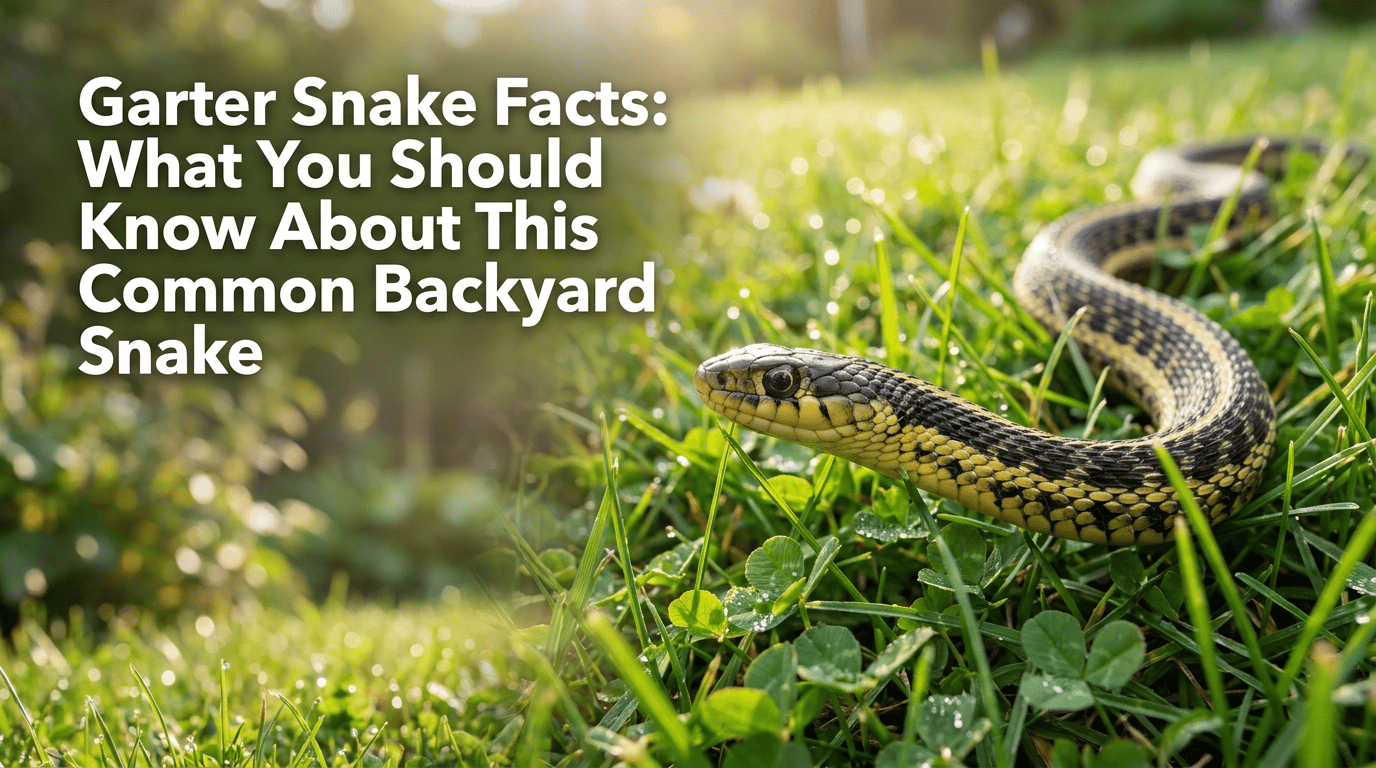
Garter Snake Facts: What You Should Know About This Common Backyard Snake featured image

Garter snakes are common in many neighborhoods and gardens. This article explains how to recognize them, where they live, what they eat, and why they are often considered helpful around yards. If you are worried about safety, follow caution and contact qualified professionals when needed. Quick garter snake facts Scientific name The common name “garter … Read more

Corn Snake Facts: Everything You Should Know About This Popular Pet Snake

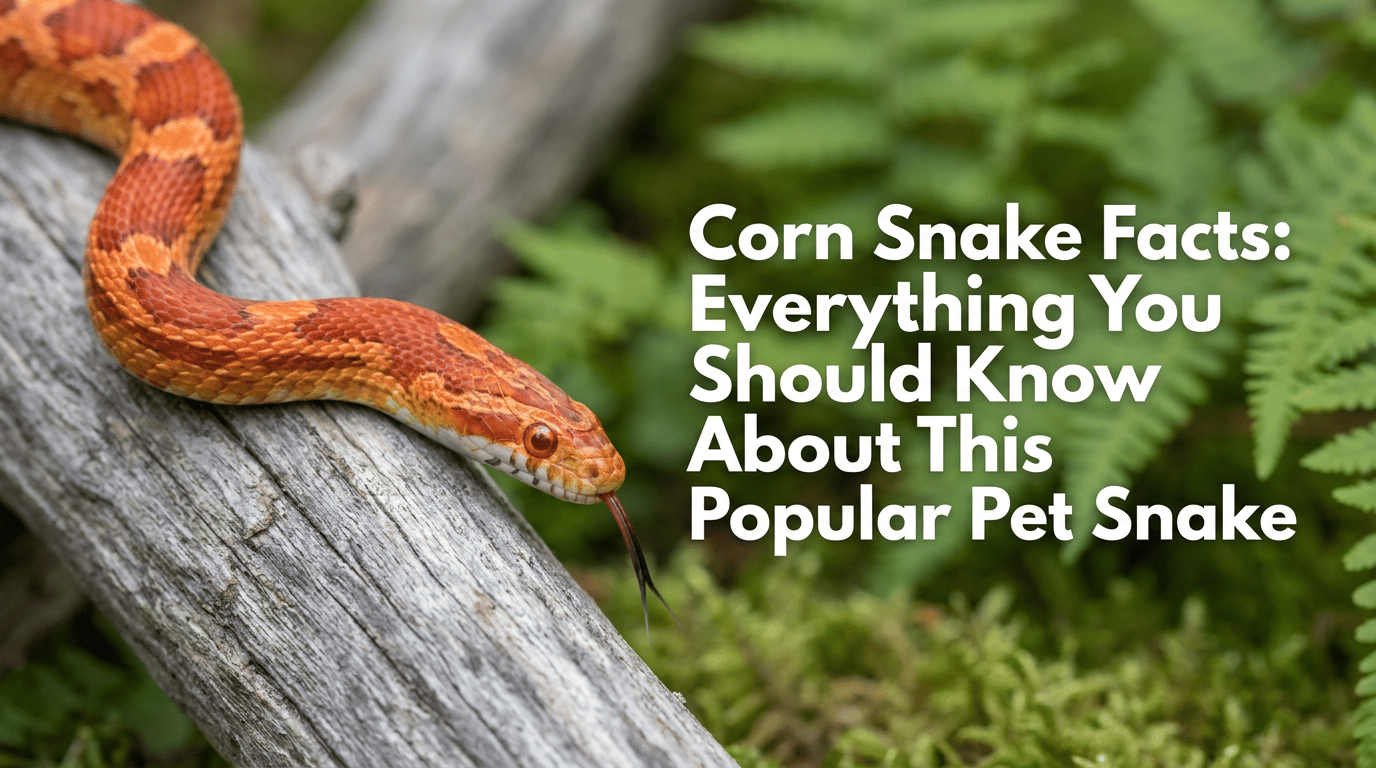
Corn Snake Facts: Everything You Should Know About This Popular Pet Snake featured image

Quick Corn Snake Facts Scientific name The corn snake is a North American colubrid commonly referred to as Pantherophis guttatus in contemporary taxonomic references (Reptile Database). Average size Corn snakes are generally described as small-to-medium sized members of the rat-snake group. Reported lengths vary with geography and individual history. Lifespan Lifespan differs between wild and … Read more