Arachnid Conservation: Threats, Data Gaps, and Protection

Arachnid Conservation: Threats, Data Gaps, and Protection
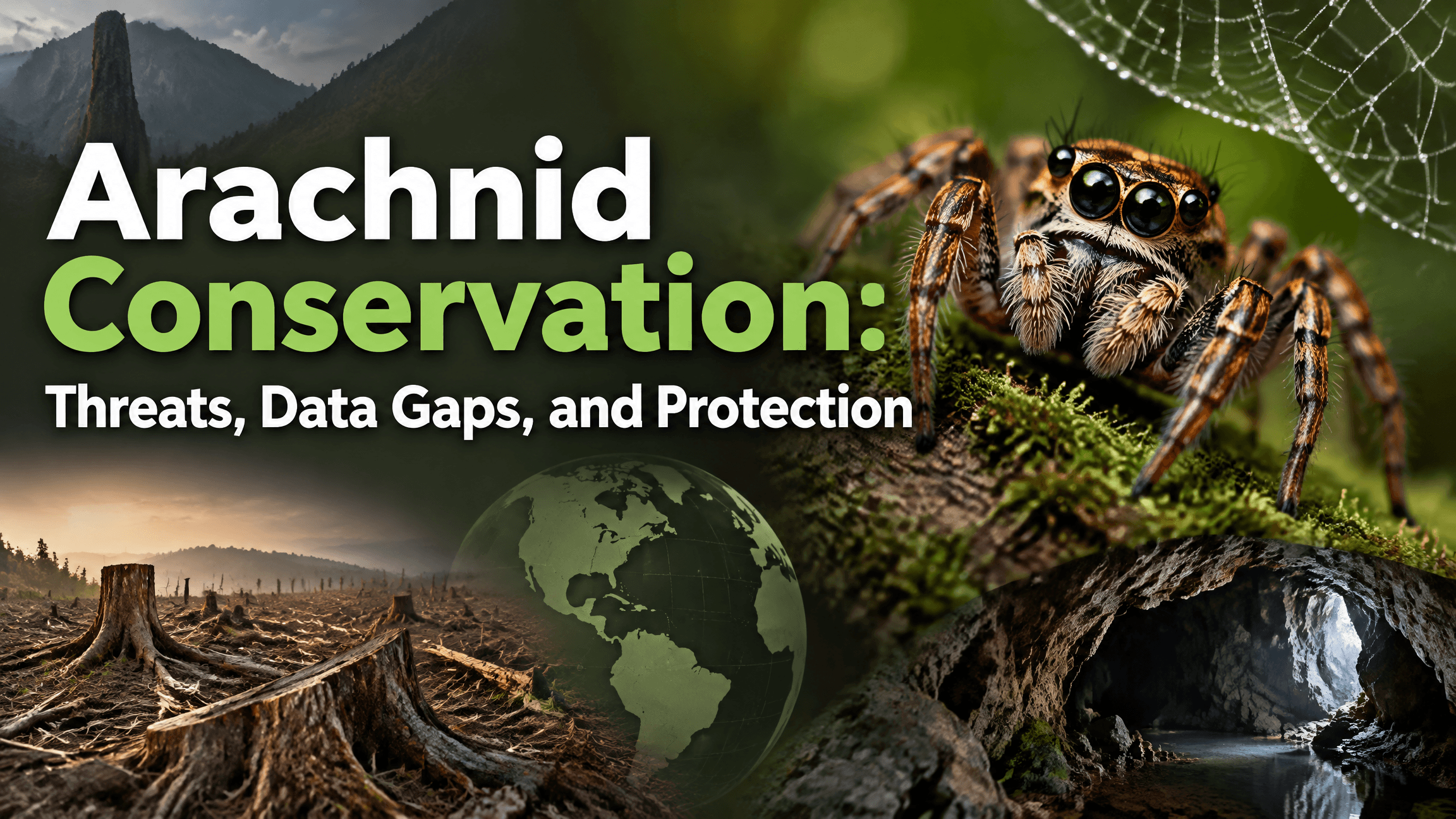
Arachnid conservation is difficult to summarize with one number because the group is vast, unevenly studied, and incompletely assessed. Spiders receive far more attention than many mites, harvestmen, pseudoscorpions, whip spiders, and other smaller lineages, yet even spider monitoring is patchy across regions and habitats. Many species are known from few records, tiny ranges, isolated … Read more
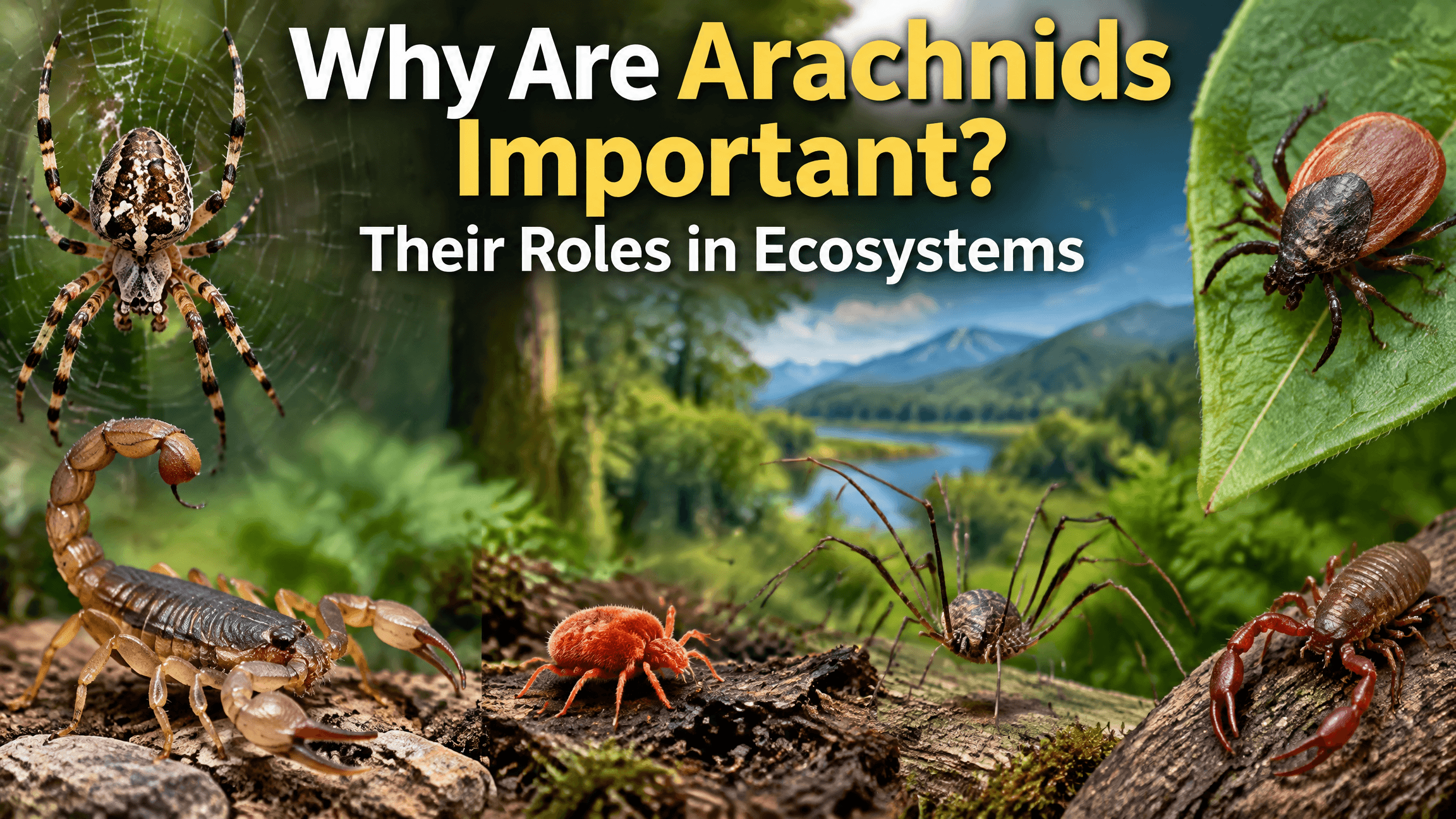
Why Are Arachnids Important? Their Roles in Ecosystems

Why Are Arachnids Important? Their Roles in Ecosystems

Arachnids are important because they occupy many different positions in food webs. Spiders and scorpions are predators, ticks and some mites are parasites, plant-feeding mites consume living vegetation, other mites graze fungi or feed in decomposer systems, harvestmen can act as predators, scavengers, or omnivores, and pseudoscorpions hunt tiny arthropods in soil, litter, and bark. … Read more

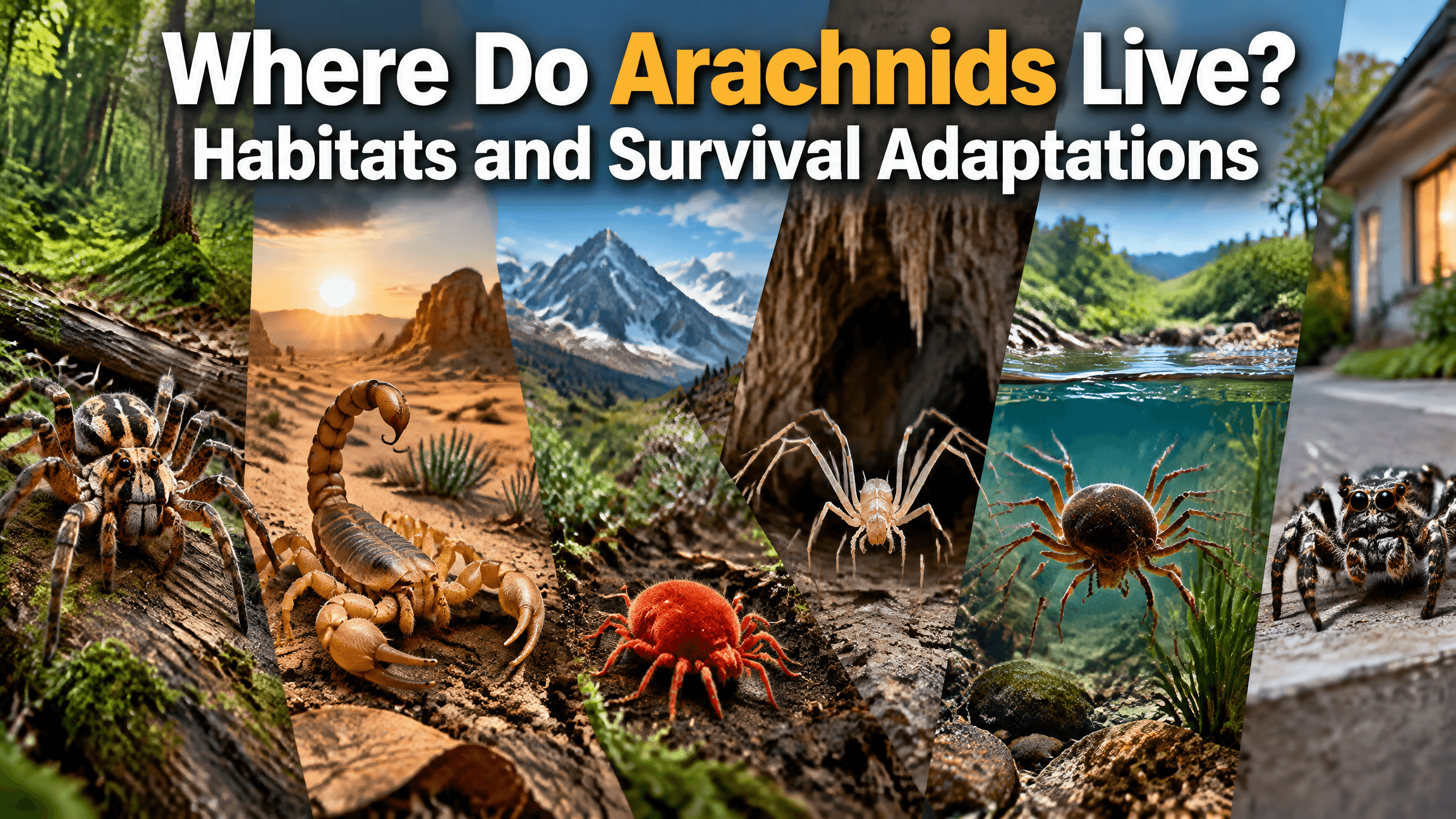
Where Do Arachnids Live? Habitats and Survival Adaptations

Where Do Arachnids Live? Habitats and Survival Adaptations

Arachnids live in an extraordinary range of habitats. Spiders, scorpions, mites, ticks, harvestmen, pseudoscorpions, whip spiders, and other arachnids occur in forests, grasslands, deserts, mountains, caves, soil, leaf litter, tree bark, freshwater, intertidal zones, animal hosts, plants, gardens, buildings, and many other microhabitats. Most arachnids are associated with land, but “arachnids are terrestrial” is only … Read more

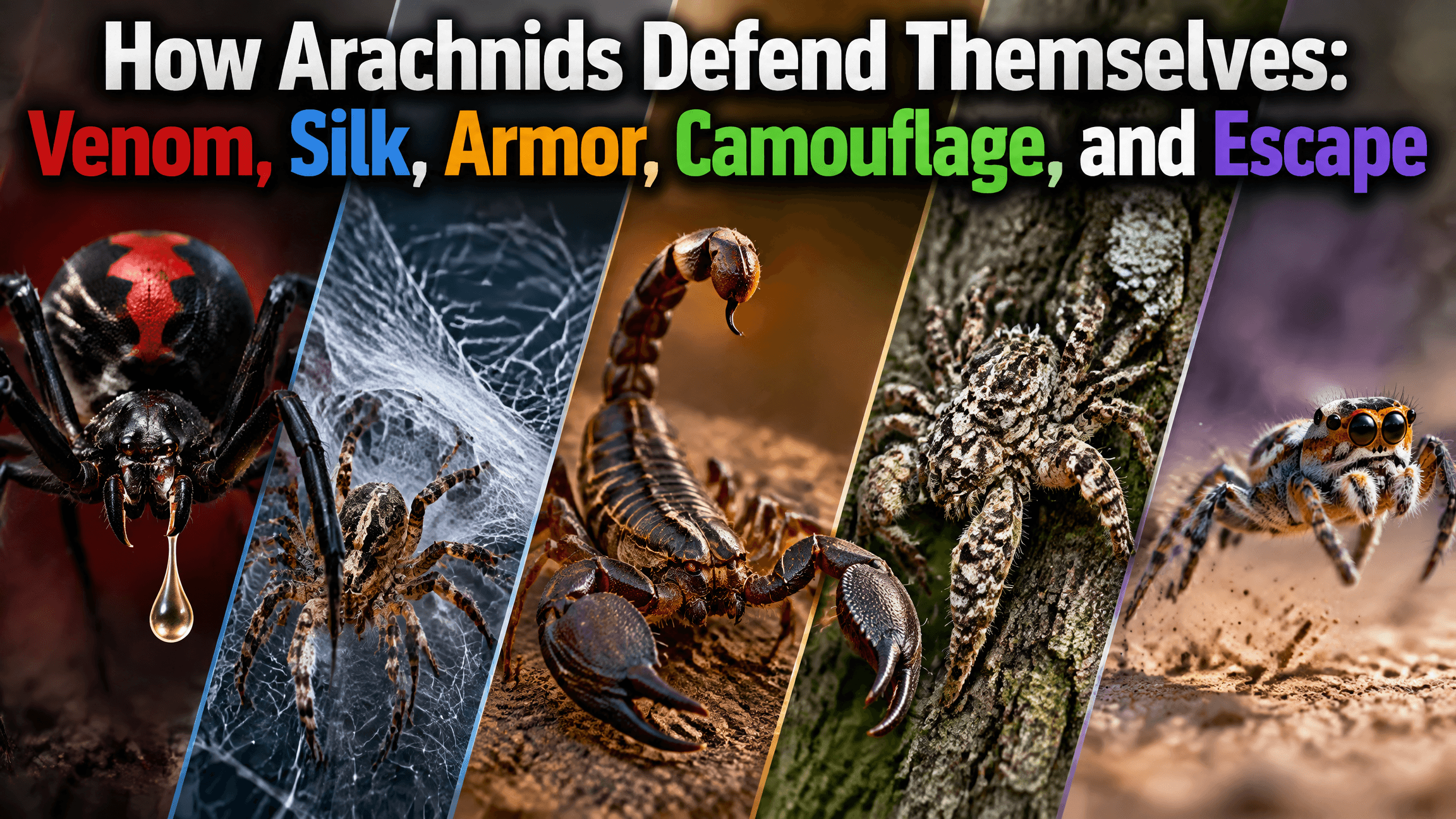
How Arachnids Defend Themselves: Venom, Silk, Armor, Camouflage, and Escape

How Arachnids Defend Themselves: Venom, Silk, Armor, Camouflage, and Escape

Arachnids defend themselves in many ways, and venom is only one part of the story. Spiders may hide, run, drop away, use silk retreats, display threat postures, or bite when pressed. Scorpions combine pincers, a stinger, armor, posture, and shelter use. Harvestmen may freeze, release defensive chemicals, shed a leg, vibrate, group together, or feign … Read more

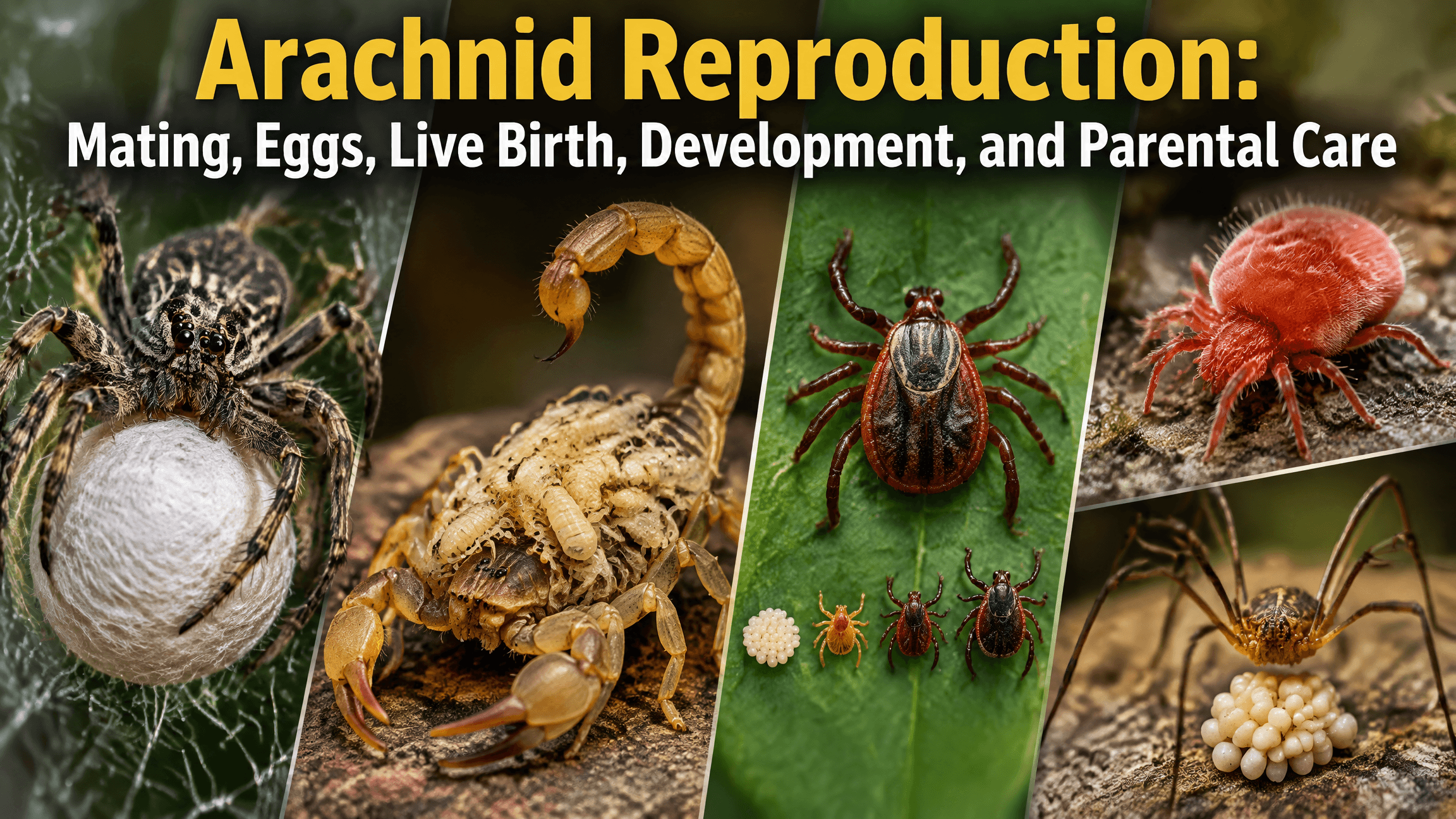
Arachnid Reproduction: Mating, Eggs, Live Birth, Development, and Parental Care

Arachnid Reproduction: Mating, Eggs, Live Birth, Development, and Parental Care

Arachnid reproduction is far more varied than the familiar image of a spider guarding an egg sac. Most spiders lay eggs, scorpions give birth to live young, ticks pass through egg, larval, nymphal, and adult stages, mites show several developmental patterns, and harvestmen include species with maternal or paternal egg care. Mating can involve direct … Read more

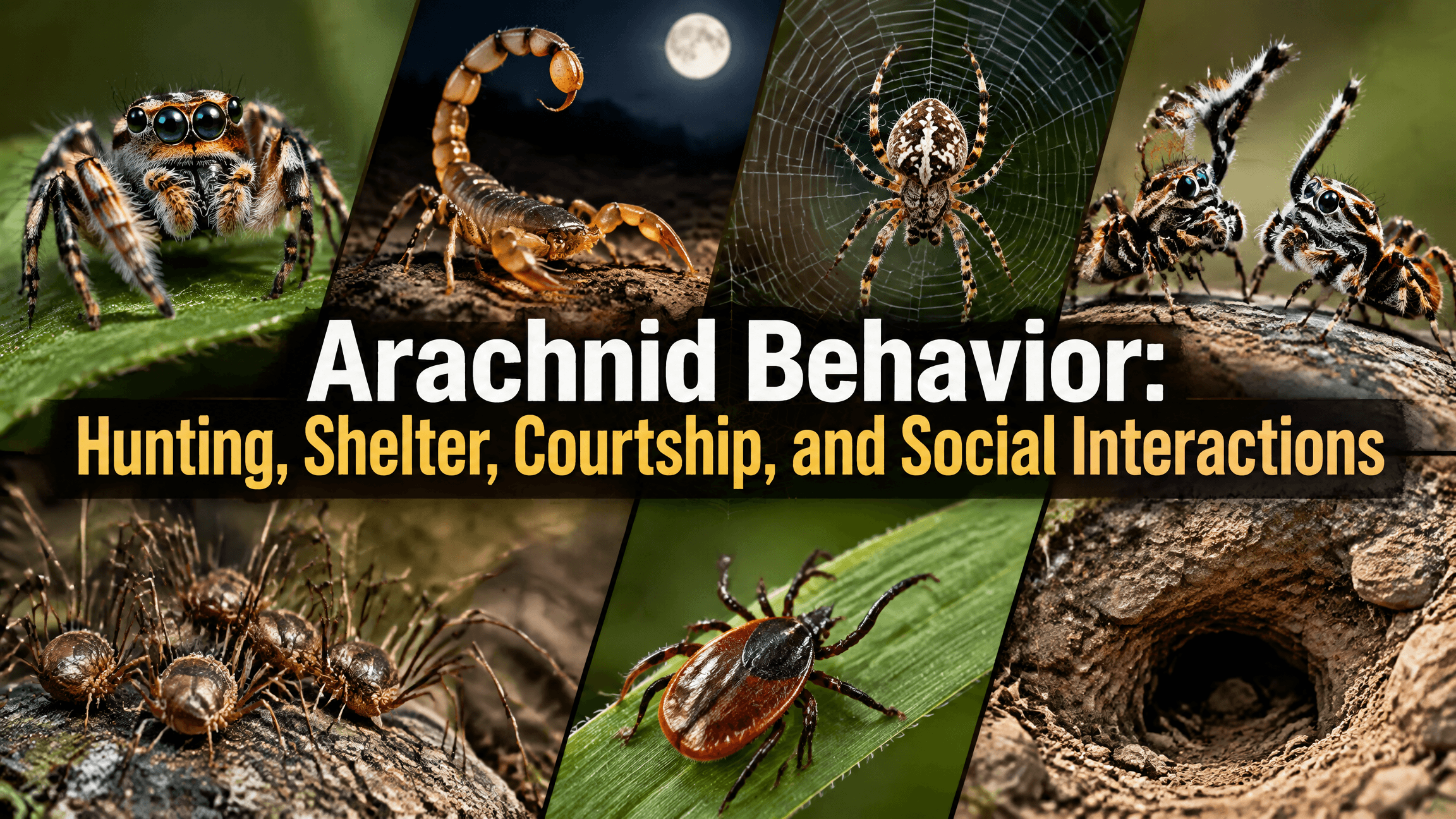
Arachnid Behavior: Hunting, Shelter, Courtship, and Social Interactions

Arachnid Behavior: Hunting, Shelter, Courtship, and Social Interactions

Arachnid behavior is far more varied than the familiar image of a spider waiting in a web. Some spiders stalk prey visually, others ambush from cover, scorpions leave retreats after dark to hunt, harvestmen may forage and rest in groups, ticks wait in a questing posture for passing hosts, and a small number of spider … Read more

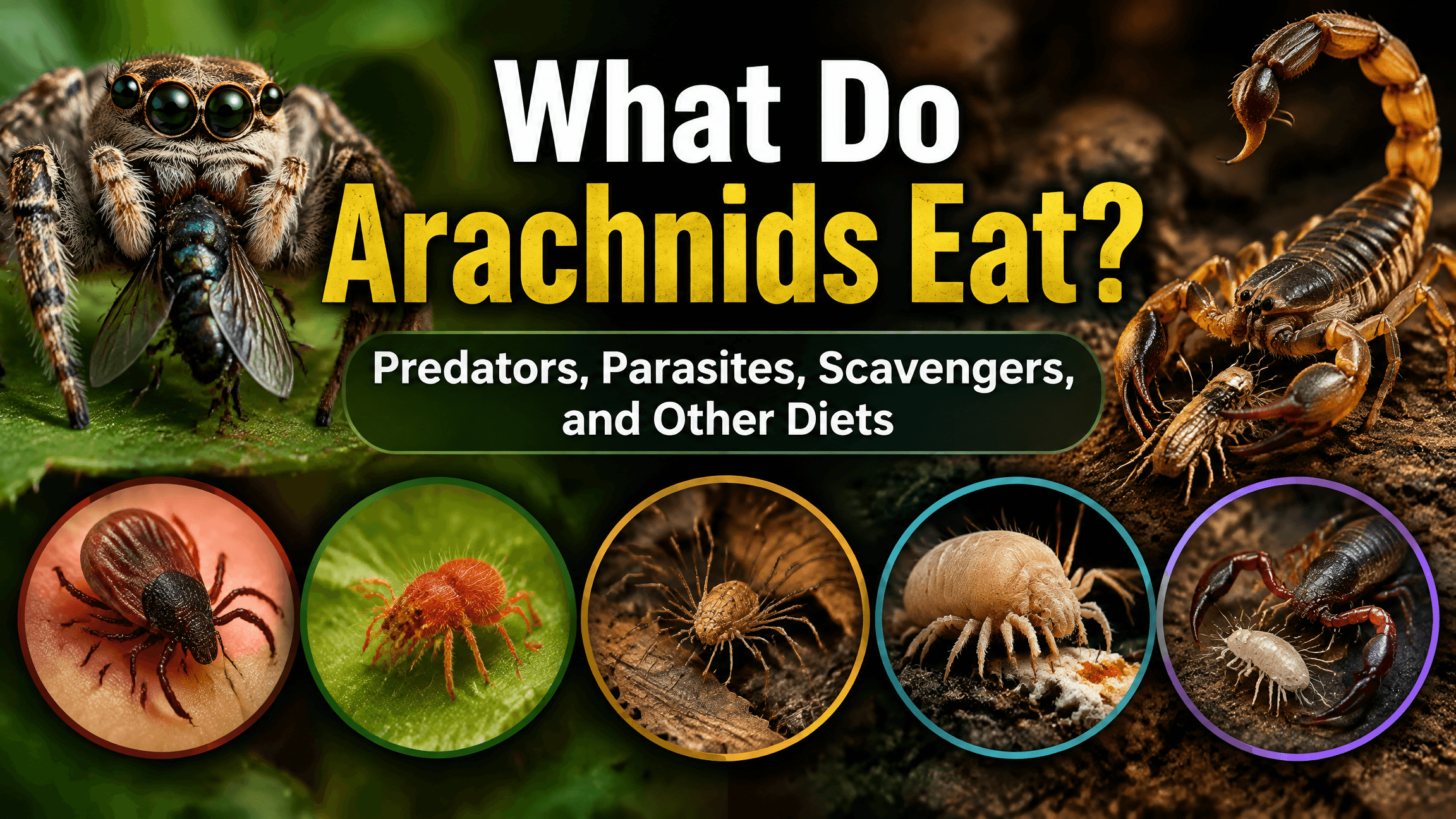
What Do Arachnids Eat? Predators, Parasites, Scavengers, and Other Diets

What Do Arachnids Eat? Predators, Parasites, Scavengers, and Other Diets

Arachnids do not all eat the same kind of food. Spiders and scorpions are mostly predators, ticks are specialized blood feeders, many mites eat plants or fungi, other mites prey on tiny animals, and harvestmen can combine predation, scavenging, fungi, plant material, and other foods. Some arachnids are parasites, some are detritus-associated feeders, and a … Read more

Arachnid Senses: Vision, Vibration, Touch, Chemicals, and Air Movement

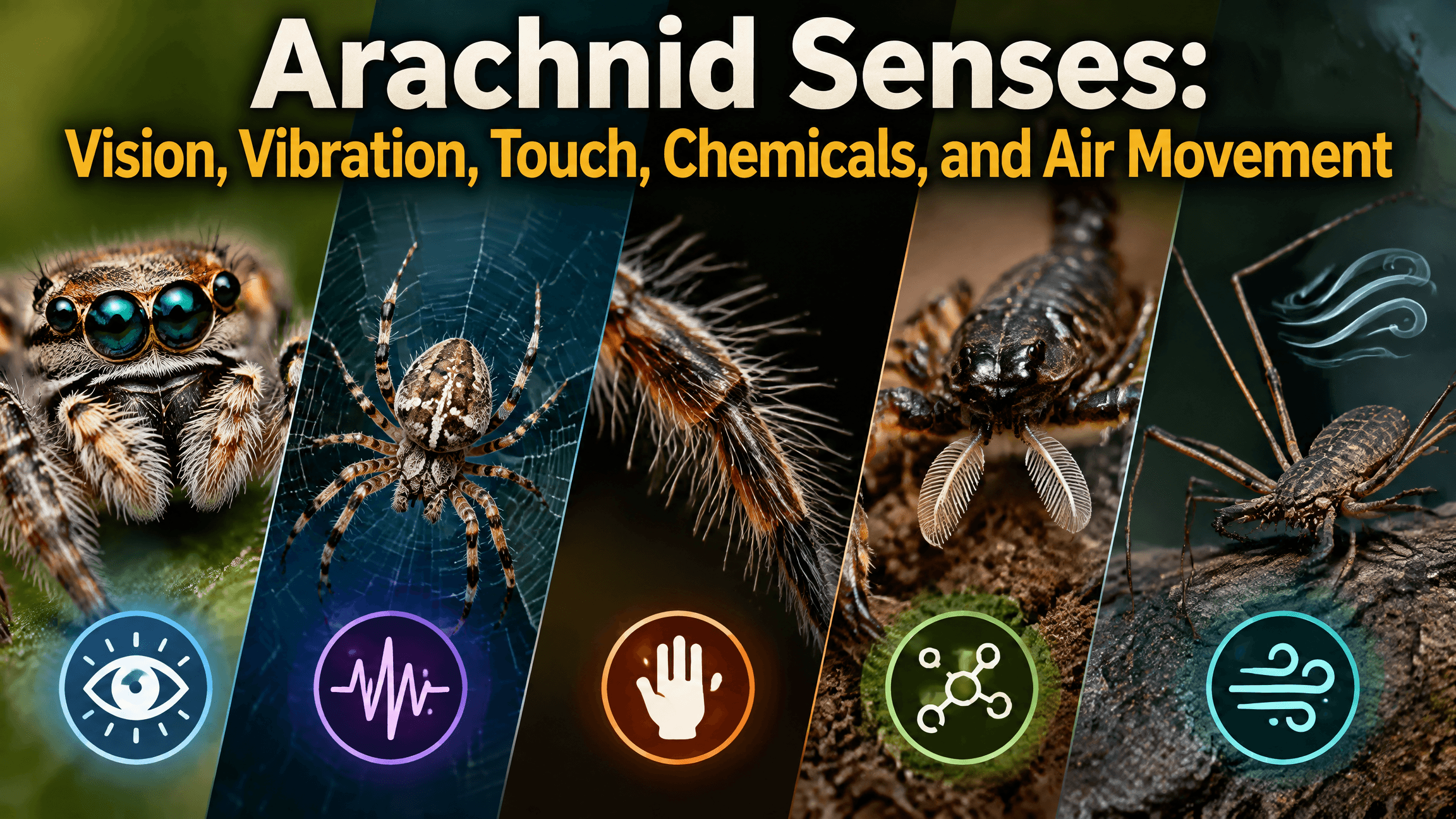
Arachnid Senses: Vision, Vibration, Touch, Chemicals, and Air Movement

Arachnids do not experience the world through one standard set of senses. A jumping spider can rely heavily on vision, a web-building spider may depend more on vibration, a scorpion can sample the ground with comb-like pectines, a tick carries Haller’s organ on its first pair of legs, and a tailless whip spider sweeps its … Read more

How Arachnids Move: Walking, Climbing, Burrowing, and Hydraulic Locomotion

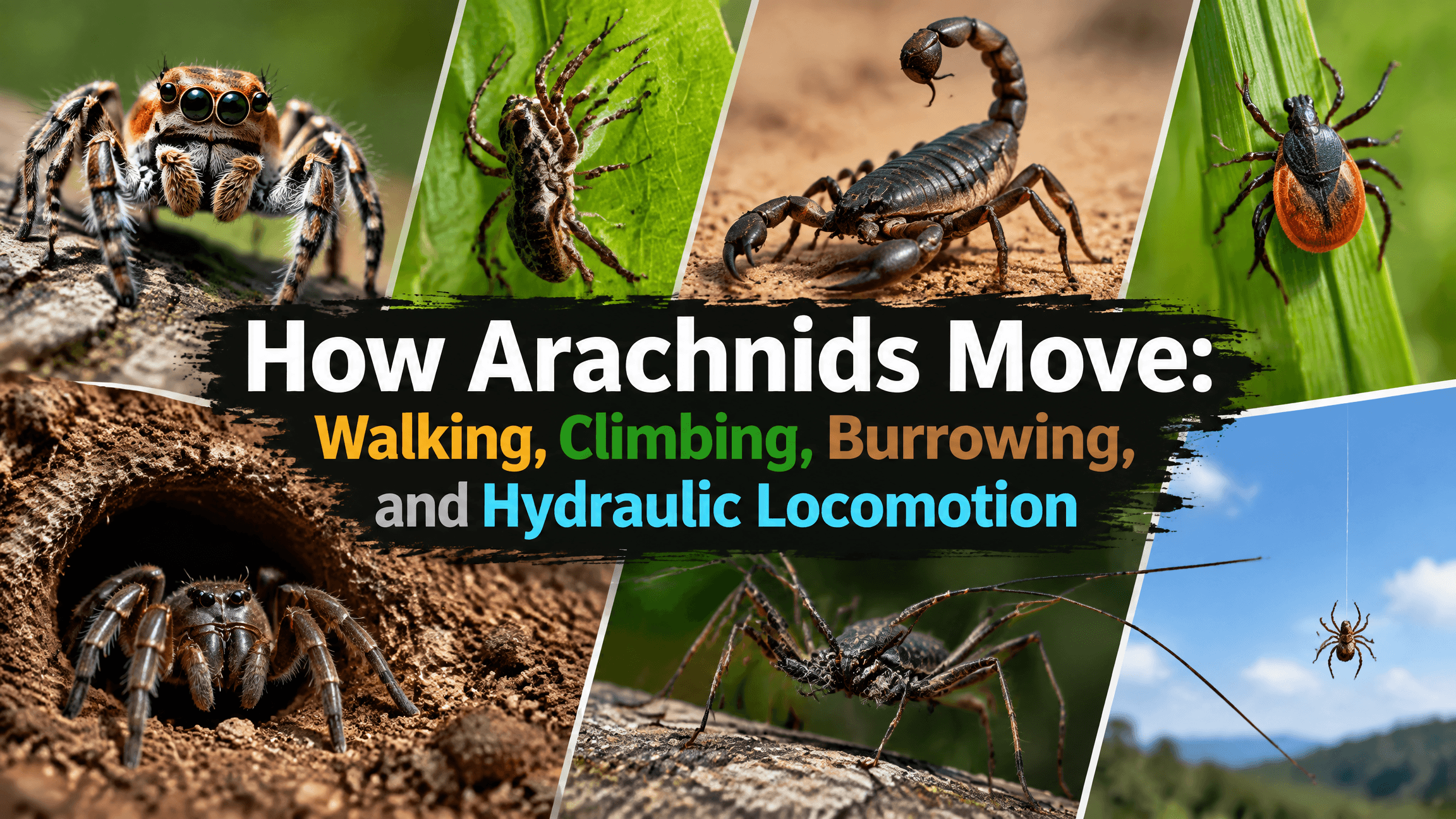
How Arachnids Move: Walking, Climbing, Burrowing, and Hydraulic Locomotion

Arachnids move in far more ways than the familiar eight-legged walk. Spiders run, climb, jump, burrow, and sometimes travel through the air on silk. Scorpions cross loose soil and shelter in burrows. Harvestmen step across uneven ground on long legs. Ticks climb vegetation and wait for passing hosts. Mites can crawl through soil, plants, animal … Read more

Arachnid Anatomy: Chelicerae, Pedipalps, Legs, Eyes, and Body Regions

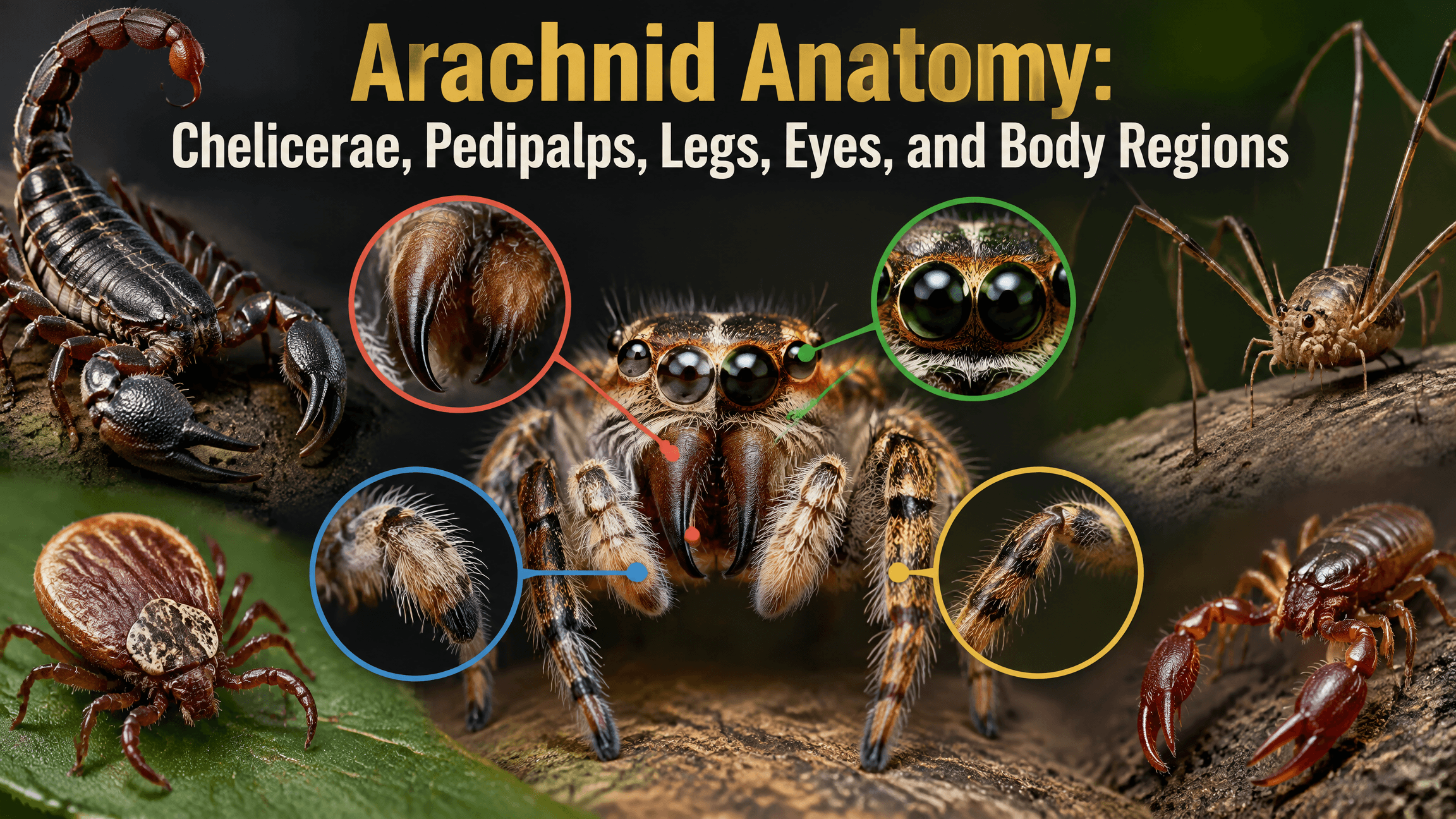
Arachnid Anatomy: Chelicerae, Pedipalps, Legs, Eyes, and Body Regions

Arachnid anatomy follows a shared chelicerate plan, but that plan is far more flexible than the familiar spider silhouette suggests. Spiders, scorpions, ticks, mites, harvestmen, solifuges, pseudoscorpions, and whip spiders all possess the basic arachnid appendage pattern, yet those structures can look and function very differently from one group to another. The most useful way … Read more