Mollusks: Types, Anatomy, Habitats & Adaptations
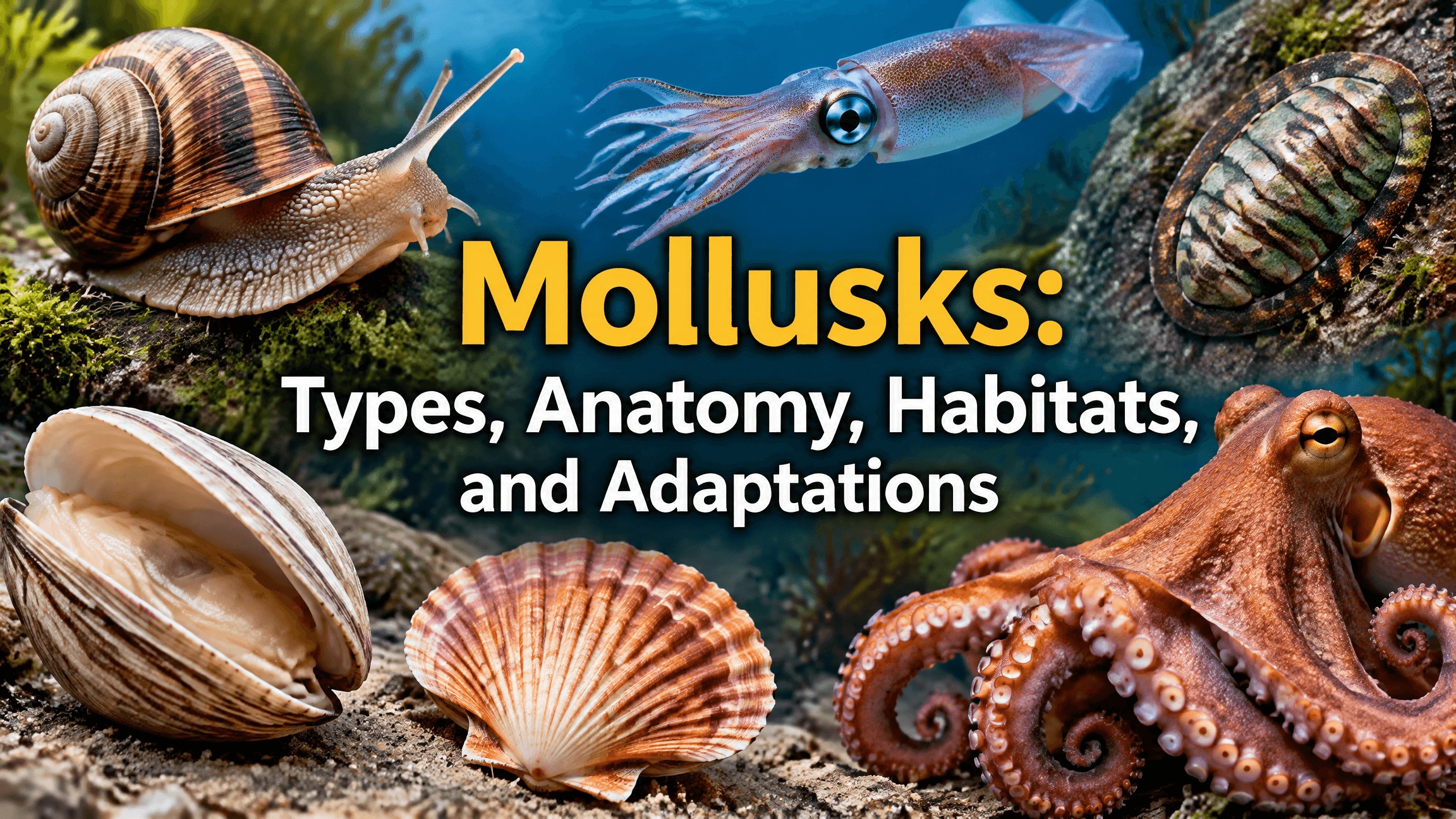
Mollusks: Types, Anatomy, Habitats, and Adaptations

Mollusks are invertebrate animals in the phylum Mollusca, a remarkably diverse group that includes snails, slugs, clams, mussels, oysters, scallops, octopuses, squid, cuttlefish, nautiluses, chitons, tusk shells, and several less familiar lineages. They do not all look alike, and they do not all have shells. What connects them is a shared evolutionary history and a … Read more
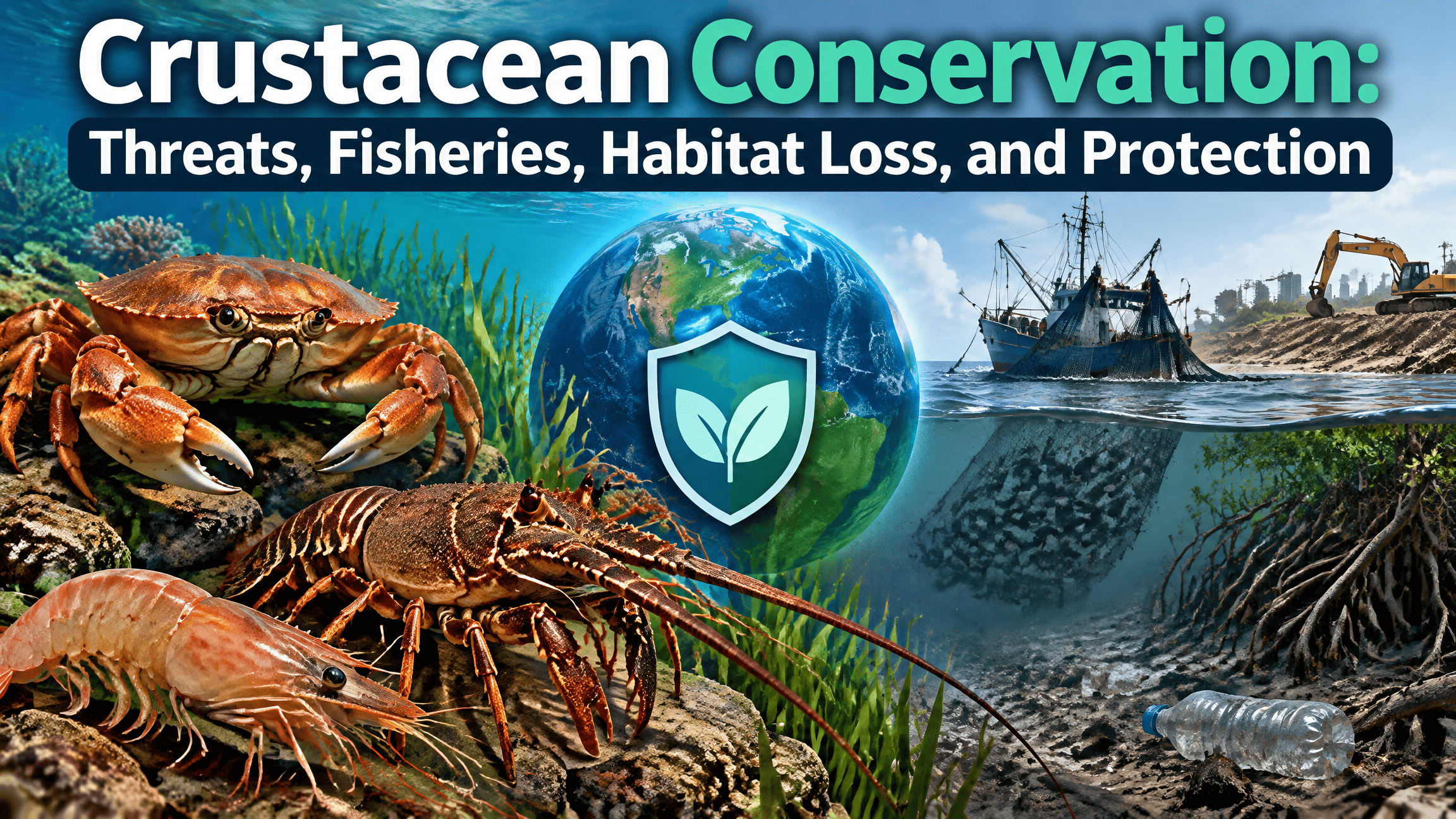
Crustacean Conservation: Threats, Fisheries, Habitat Loss, and Protection

Crustacean Conservation: Threats, Fisheries, Habitat Loss, and Protection

Crustacean conservation is complicated because there is no single conservation status for crabs, lobsters, shrimp, crayfish, copepods, amphipods, isopods, branchiopods, barnacles, krill, or the many smaller lineages grouped under the familiar crustacean label. Some species are widespread and abundant. Others live in one spring, one cave system, one river basin, one island, or a narrow … Read more

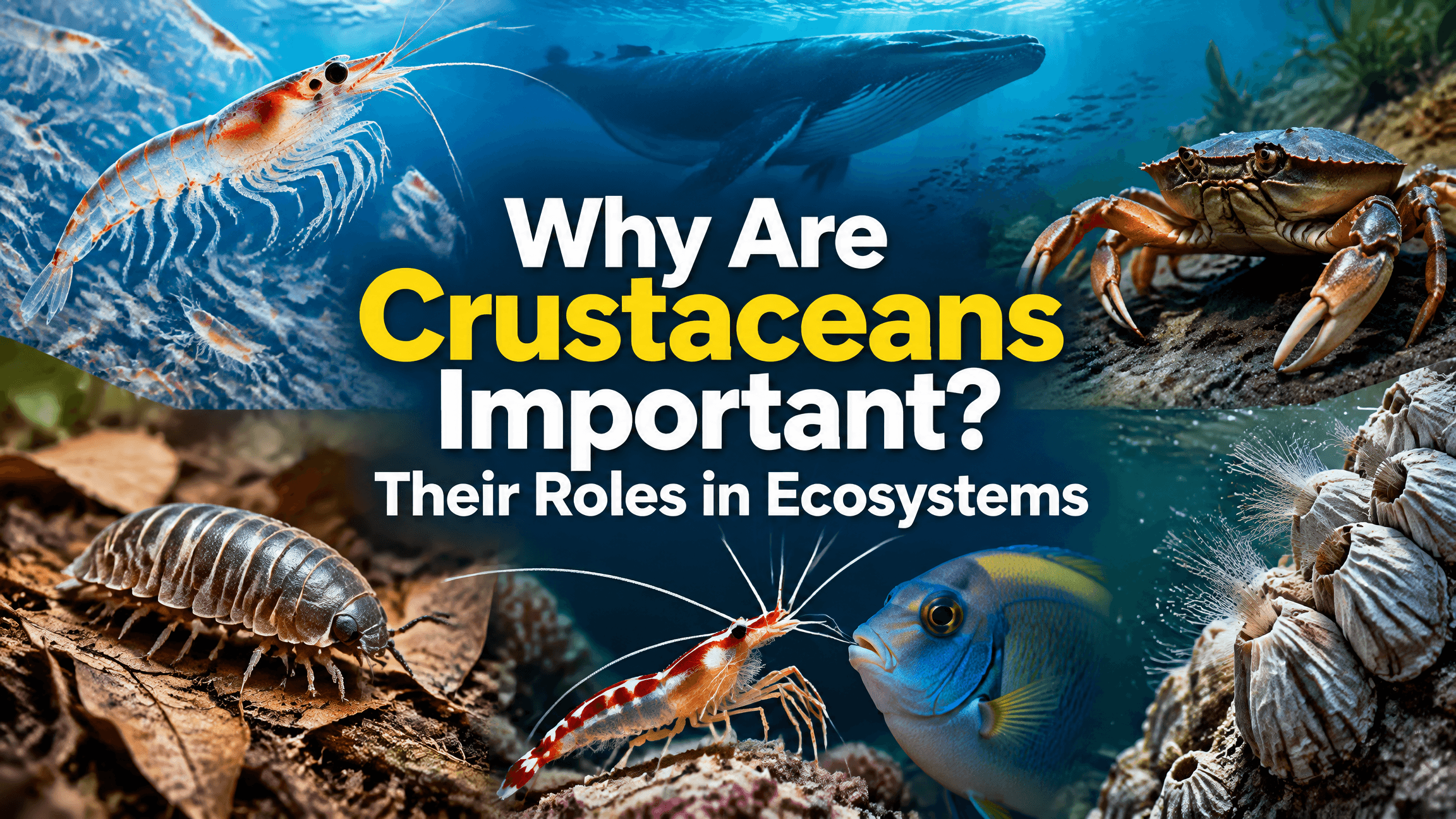
Why Are Crustaceans Important? Their Roles in Ecosystems

Why Are Crustaceans Important? Their Roles in Ecosystems

Crustaceans matter because they move energy, nutrients, and organic material through ecosystems in many different ways. Some graze on microscopic algae, some hunt other animals, some break down dead material, some filter particles from water, some disturb and rework sediment, and many become food for fish, birds, marine mammals, reptiles, and other invertebrates. Their ecological … Read more

Where Do Crustaceans Live? Marine, Freshwater, and Terrestrial Habitats

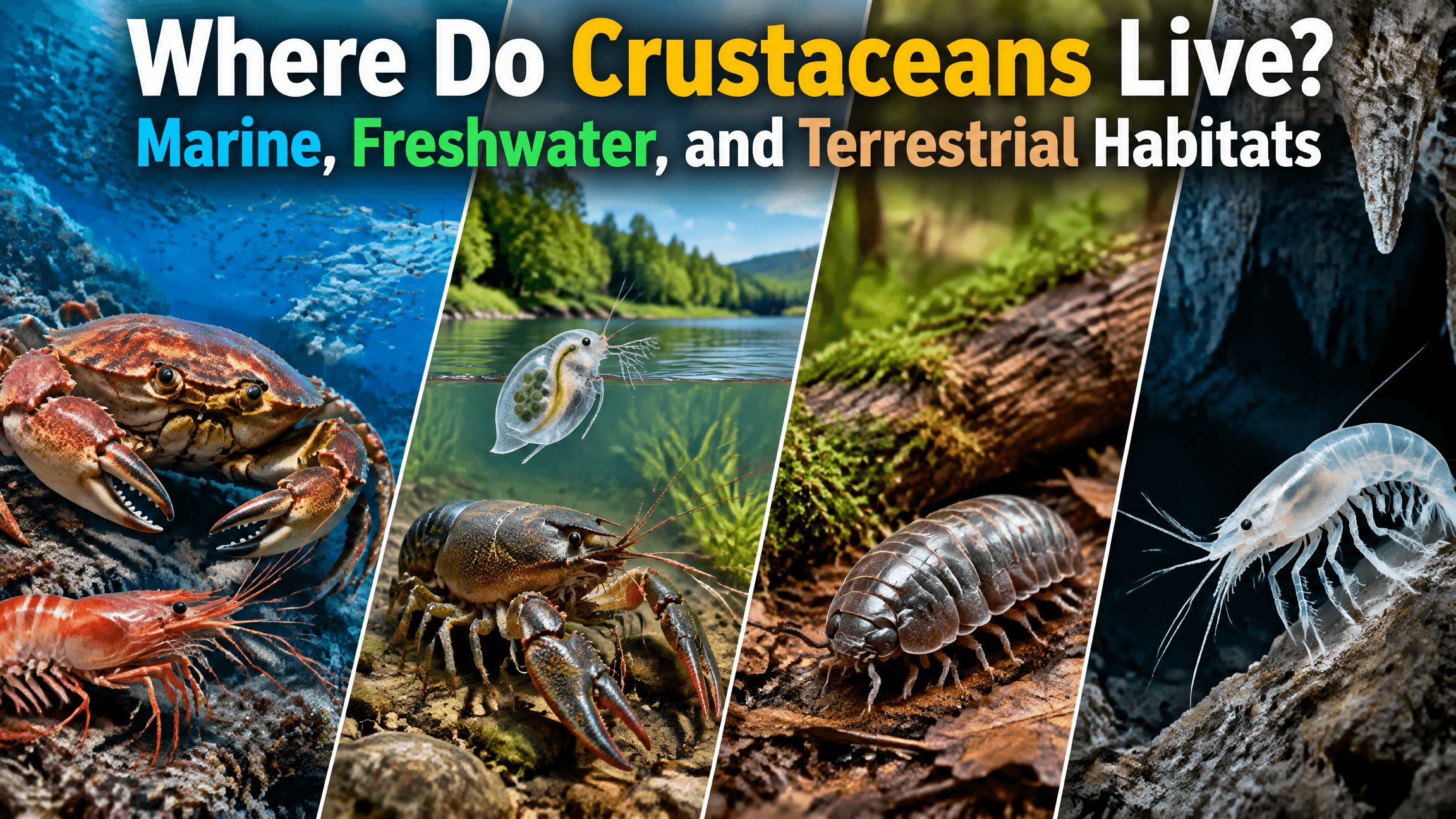
Where Do Crustaceans Live? Marine, Freshwater, and Terrestrial Habitats

Crustaceans live in far more places than the ocean. Marine habitats contain an enormous share of crustacean diversity, but crustaceans also occur in estuaries, rivers, lakes, temporary pools, groundwater, caves, damp forests, beaches, and even on or inside other animals. Familiar crabs, shrimp, lobsters, and krill represent only part of that environmental range. The reason … Read more

Crustacean Reproduction: Mating, Eggs, Larvae, and Brooding

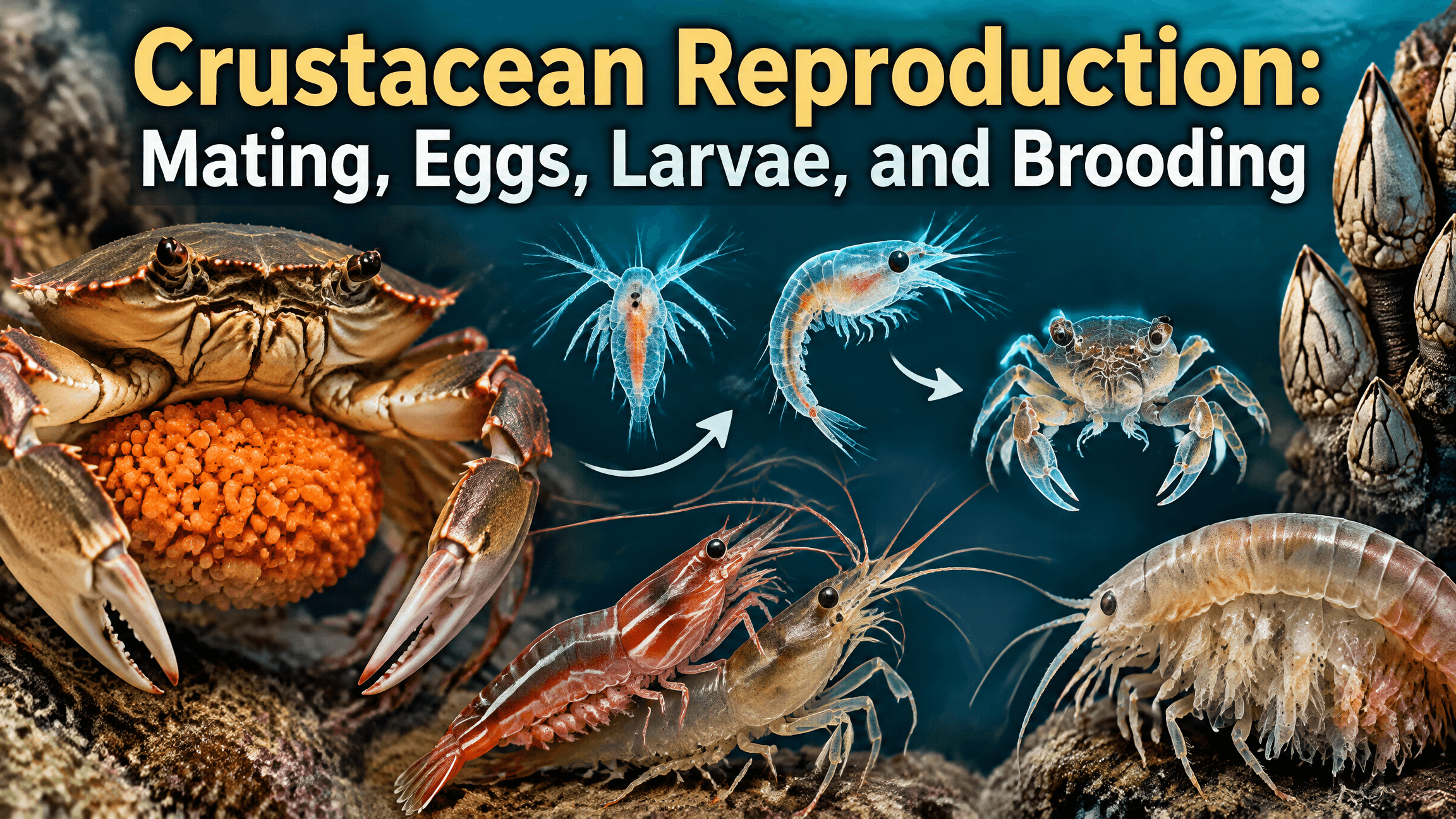
Crustacean Reproduction: Mating, Eggs, Larvae, and Brooding

Crustacean reproduction is far more varied than the familiar image of a female crab carrying eggs beneath her abdomen. Crabs, shrimp, lobsters, copepods, barnacles, isopods, amphipods, branchiopods, and other crustaceans can differ greatly in how they find mates, transfer sperm, fertilize eggs, brood embryos, and develop from young stages into adults. The most important idea … Read more

What Do Crustaceans Eat? Diets and Feeding Strategies

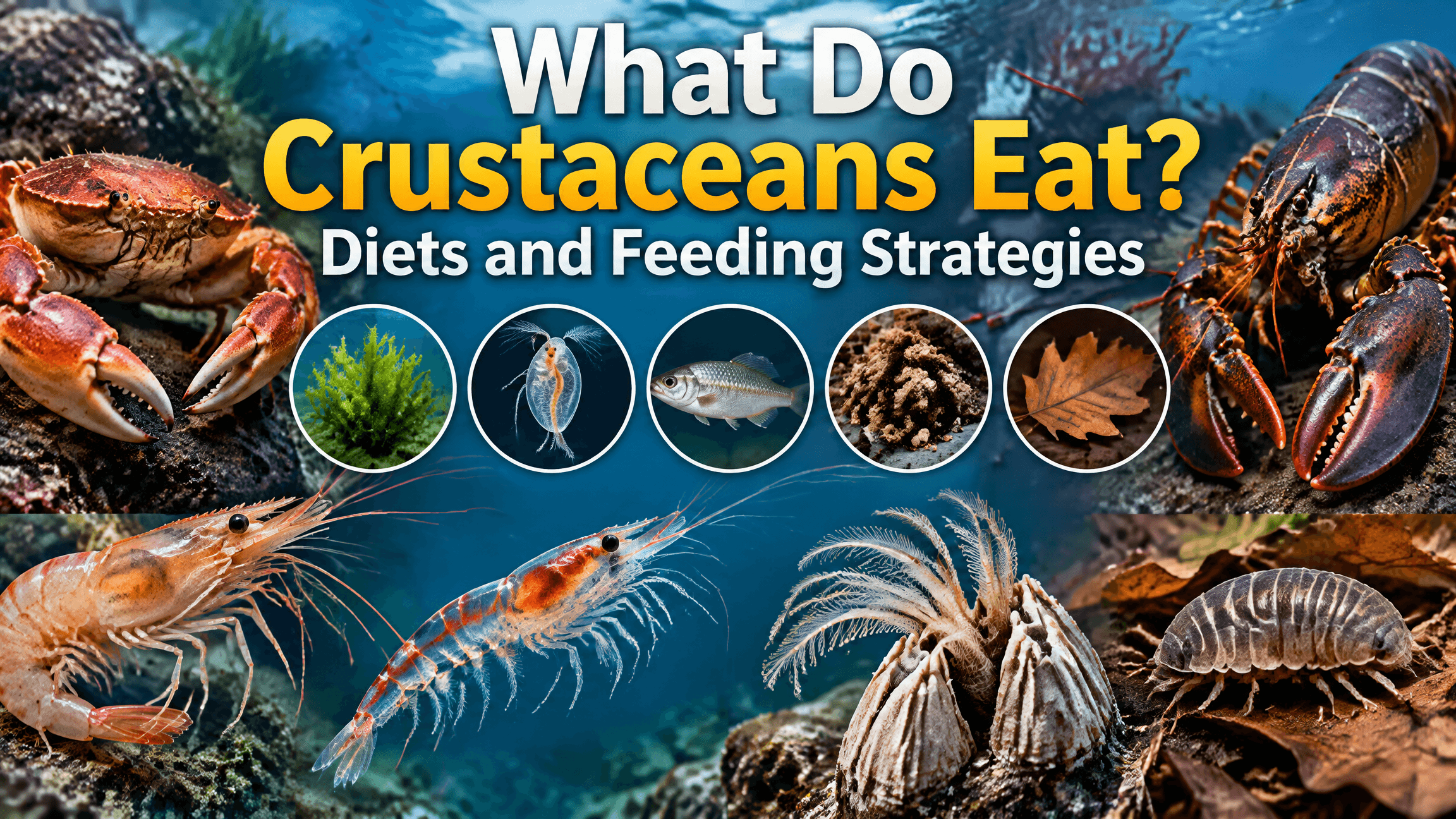
What Do Crustaceans Eat? Diets and Feeding Strategies

Crustaceans do not share one diet. Some hunt live prey, some graze algae, some collect organic particles from sediment, some filter food from the water, some feed on decaying plant material, and some live as parasites on or inside other animals. Even closely related crustaceans can eat very different foods because their appendages, mouthparts, habitat, … Read more

Crustacean Senses: Vision, Antennae, Chemicals, Touch, and Balance

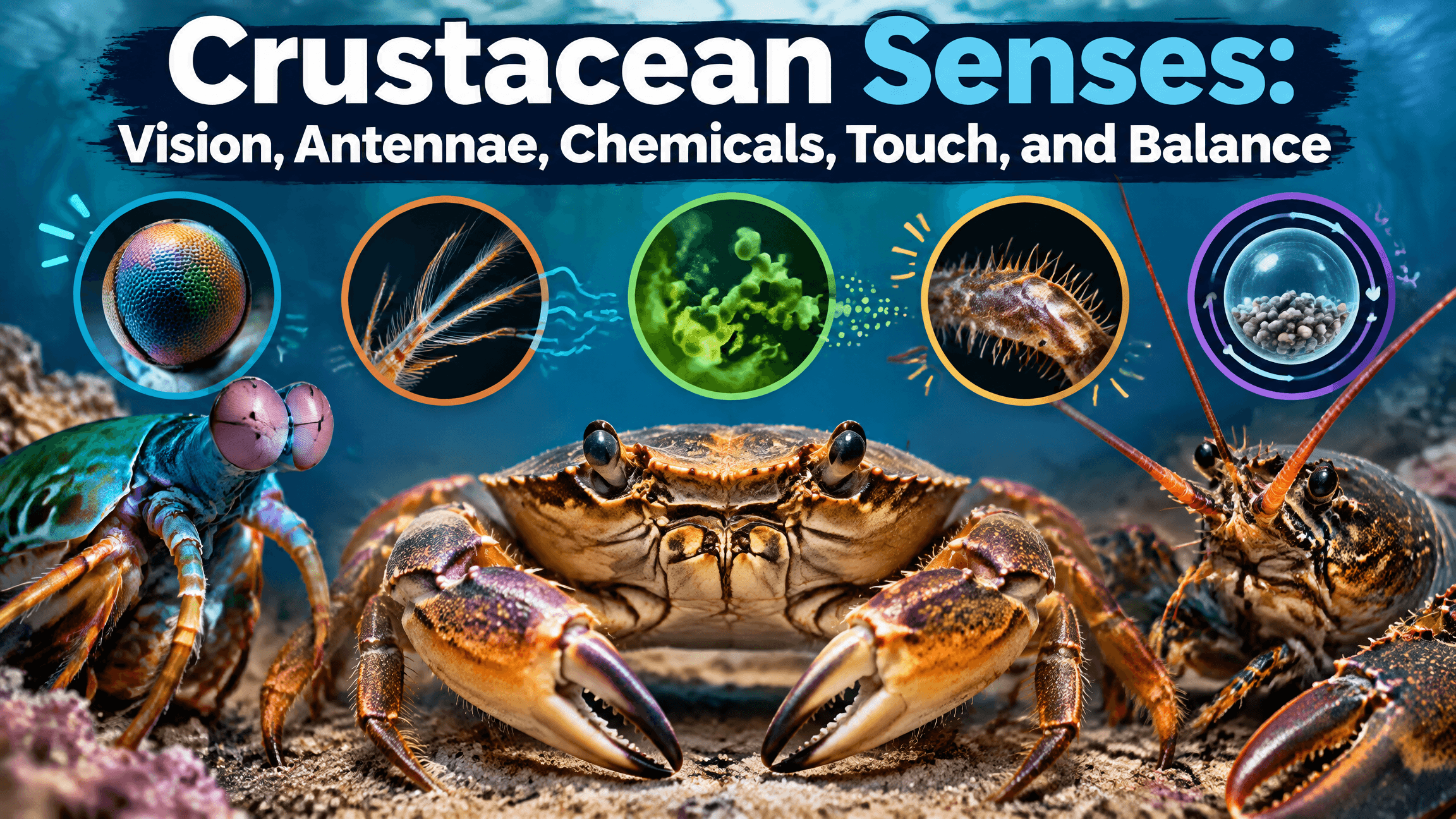
Crustacean Senses: Vision, Antennae, Chemicals, Touch, and Balance

Crustaceans do not rely on a single dominant sense. A crab crossing a tidal flat, a copepod suspended in open water, a lobster searching the seafloor, and a barnacle larva looking for a place to settle all receive different combinations of visual, chemical, mechanical, and orientation cues. Their nervous systems combine that information to guide … Read more

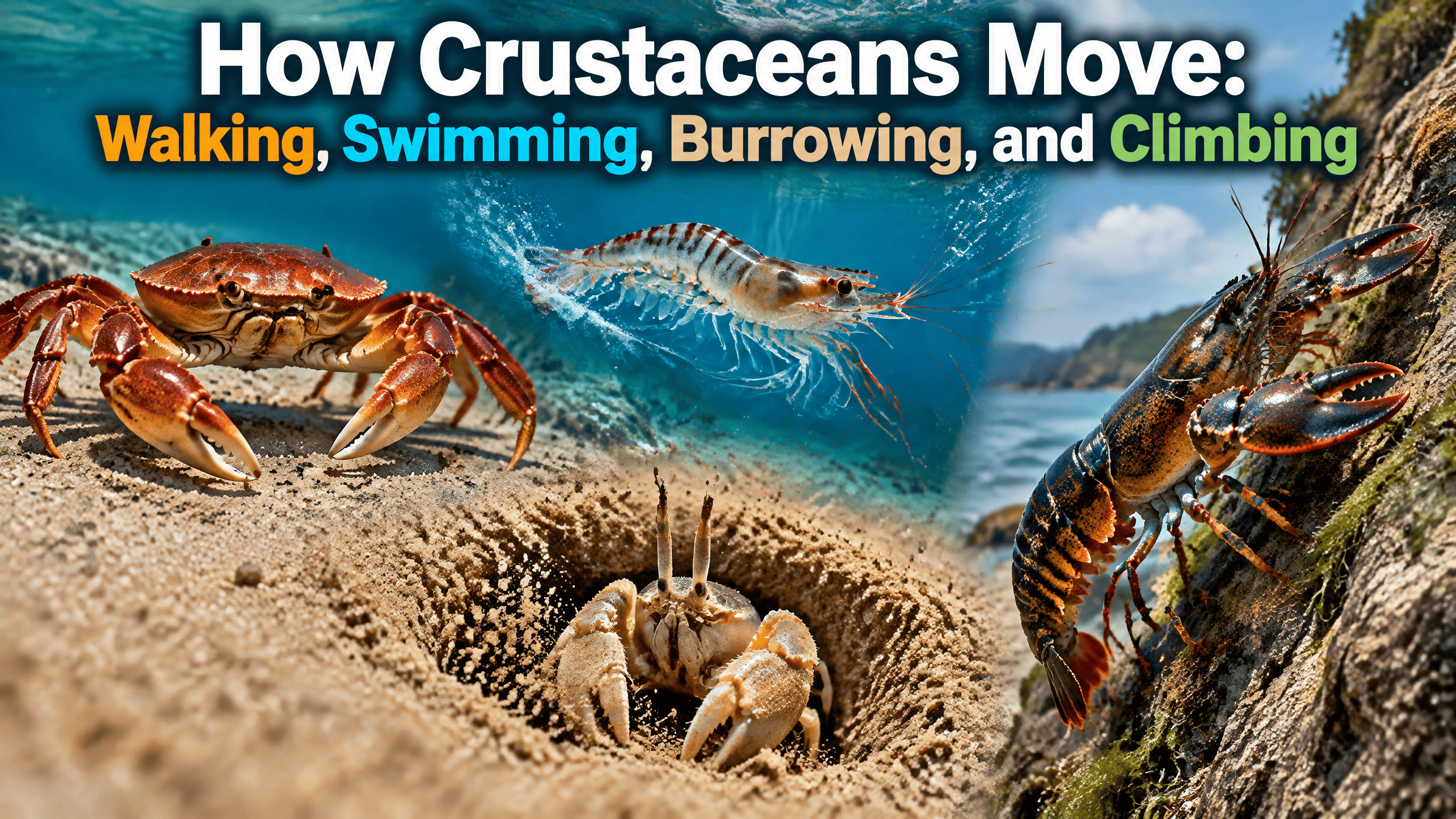
How Crustaceans Move: Walking, Swimming, Burrowing, and Climbing

How Crustaceans Move: Walking, Swimming, Burrowing, and Climbing

Crustaceans move in far more ways than the familiar sideways walk of a crab. Depending on the lineage and habitat, they may walk across the bottom, crawl through leaf litter, swim with rhythmic strokes, launch a rapid tail-flip escape, burrow into sediment, climb exposed surfaces, drift while actively adjusting position in the water, or spend … Read more

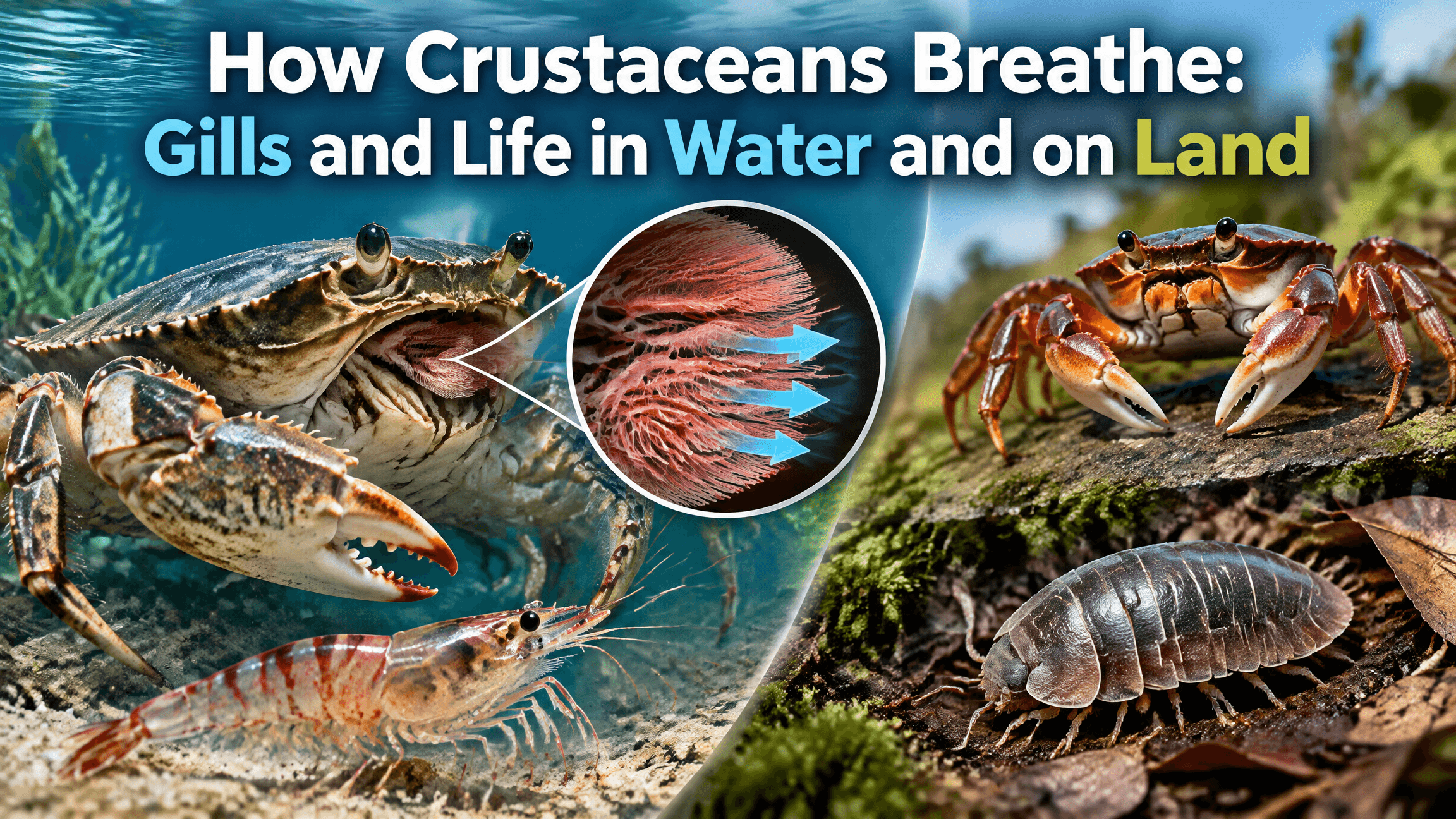
How Crustaceans Breathe: Gills and Life in Water and on Land

How Crustaceans Breathe: Gills and Life in Water and on Land

Most crustaceans exchange oxygen and carbon dioxide through gills or other thin respiratory surfaces, but there is no single breathing system that works for every crab, shrimp, copepod, barnacle, isopod, or other crustacean. Aquatic species usually depend on water flowing across gas-exchange surfaces. Terrestrial forms still need moist respiratory tissues, and some have evolved specialized … Read more

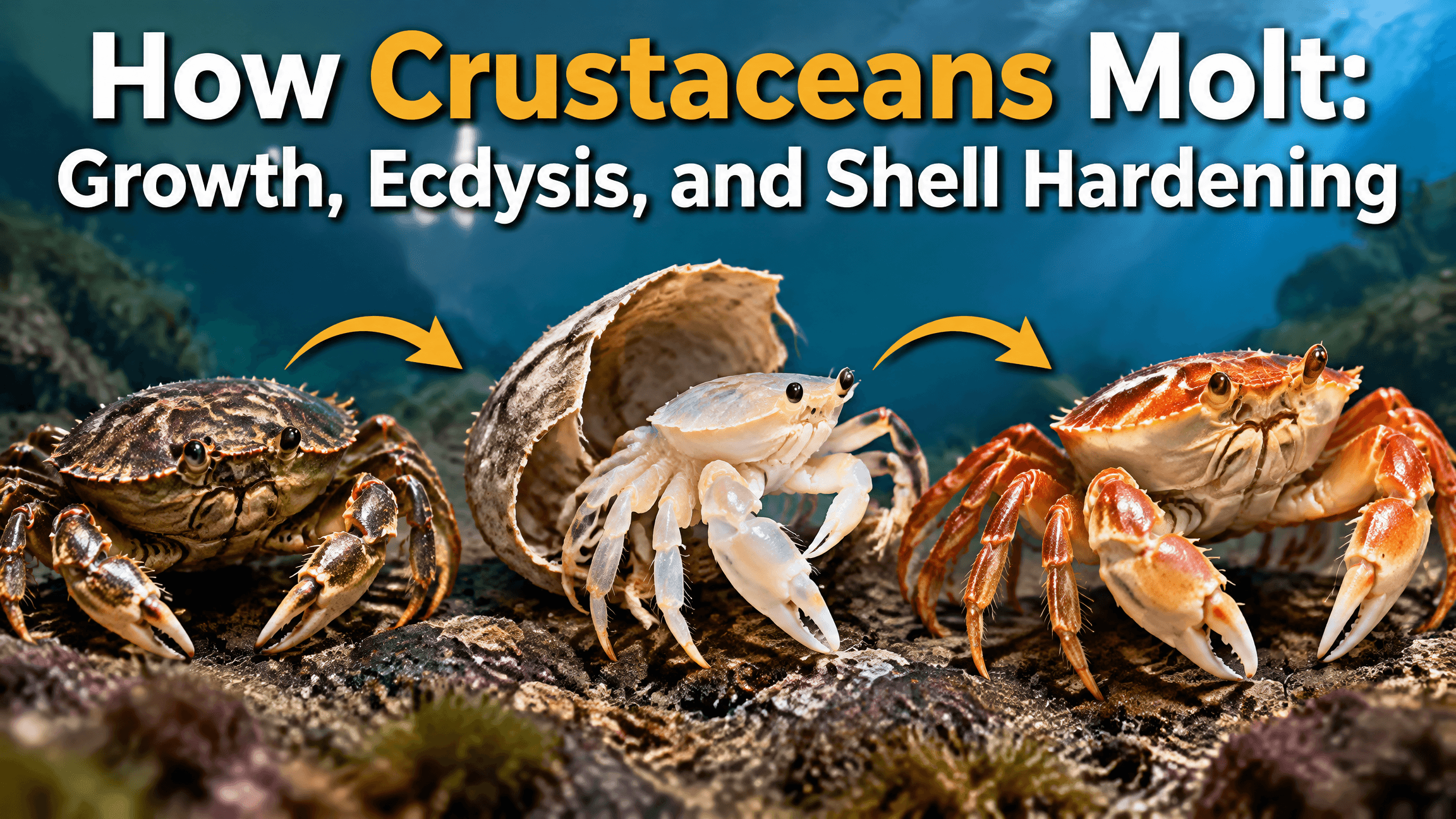
How Crustaceans Molt: Growth, Ecdysis, and Shell Hardening

How Crustaceans Molt: Growth, Ecdysis, and Shell Hardening

Crustaceans grow by periodically replacing their external cuticle, the body covering that forms much of the exoskeleton. The shedding event itself is called ecdysis, but molting is a longer cycle. Before ecdysis, the animal separates from parts of the old cuticle and prepares a new one underneath. During ecdysis it withdraws from the old covering. … Read more