Wildlife Crossings

Wildlife Crossings featured image

Wildlife crossings are structures that help animals move across roads without stepping directly into traffic. They can look like planted bridges, wide underpasses, small tunnels, modified culverts, canopy ropes, or fenced guide systems that lead animals toward a safer route. The idea is simple, but the biology behind it is not: different animals move for … Read more

How Noise Pollution Affects Wildlife

How Noise Pollution Affects Wildlife featured image

Noise pollution affects wildlife by making it harder for animals to communicate, find mates, detect predators, locate prey, move through habitat, and use areas that would otherwise be suitable. For many animals, sound is not background decoration. It is part of how they survive. A busy road, aircraft route, construction site, boat channel, or loud … Read more

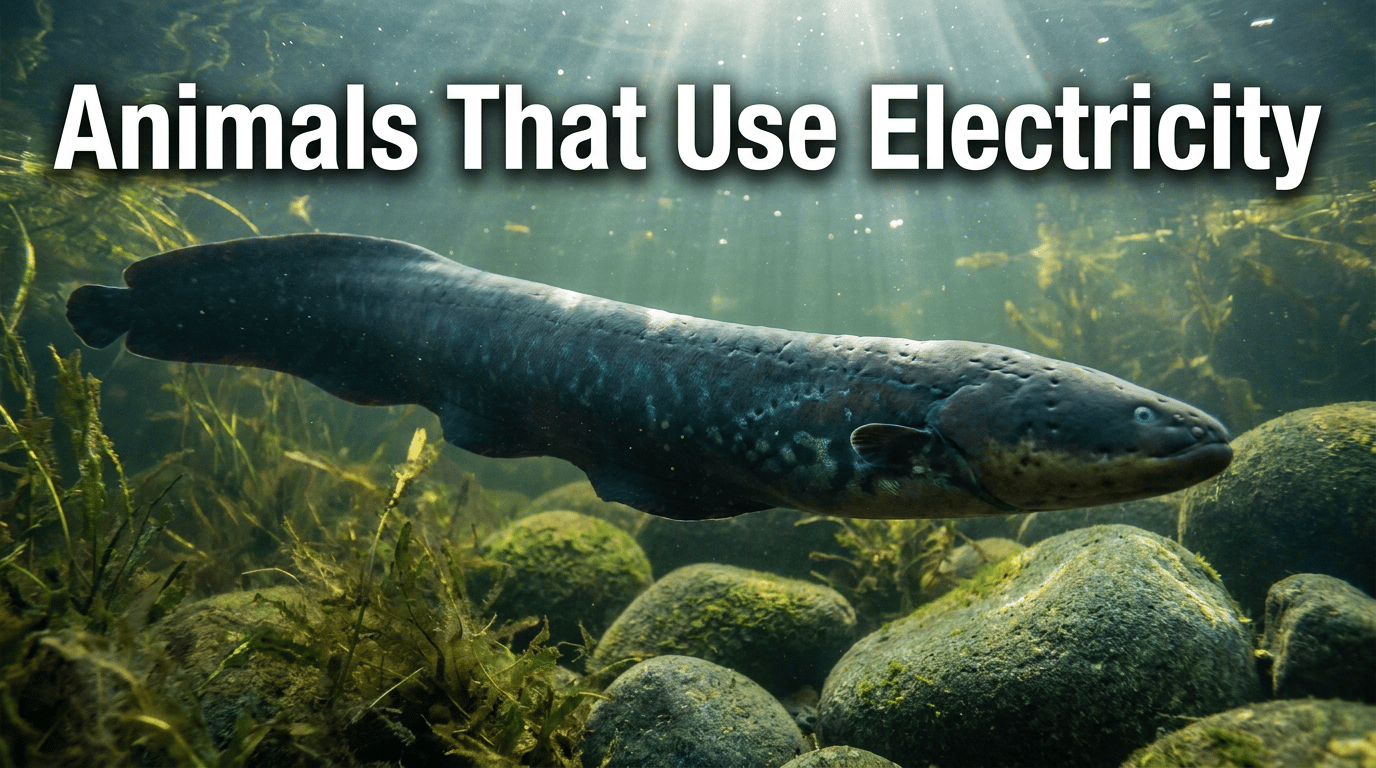
Animals That Use Electricity

Animals That Use Electricity featured image

Animals that use electricity are not science fiction. Some fish generate electric fields with specialized organs, while other animals detect tiny electric fields produced by muscles, nerves, and movement in water. For electric eels, electric rays, and electric catfish, electricity can help with hunting or defense. For sharks, rays, platypuses, and many weakly electric fish, … Read more

How Light Pollution Affects Animals

How Light Pollution Affects Animals featured image

Light pollution affects animals by changing the natural darkness they use to navigate, feed, rest, avoid predators, reproduce, and time seasonal behavior. Artificial light at night can pull migrating birds toward cities, draw insects into dangerous places, disrupt sea turtle hatchlings on beaches, change how bats and mammals use habitat, and alter the balance between … Read more

Animals That Live in Cities

Animals That Live in Cities featured image

Animals that live in cities are not just strays, pests, or occasional visitors. Many are wild species that have learned to use streets, parks, rooftops, storm drains, gardens, bridges, and building ledges as part of their habitat. Some eat a wide range of foods. Some hide in small spaces. Some are active at night when … Read more

Urban Wildlife

Urban Wildlife featured image

Urban wildlife is made up of wild animals that live in, move through, or regularly use cities and suburbs. Some of these animals are easy to notice, such as pigeons on sidewalks, squirrels in parks, raccoons near trash bins, or hawks perched on tall buildings. Others stay mostly hidden, including bats, foxes, coyotes, opossums, frogs, … Read more

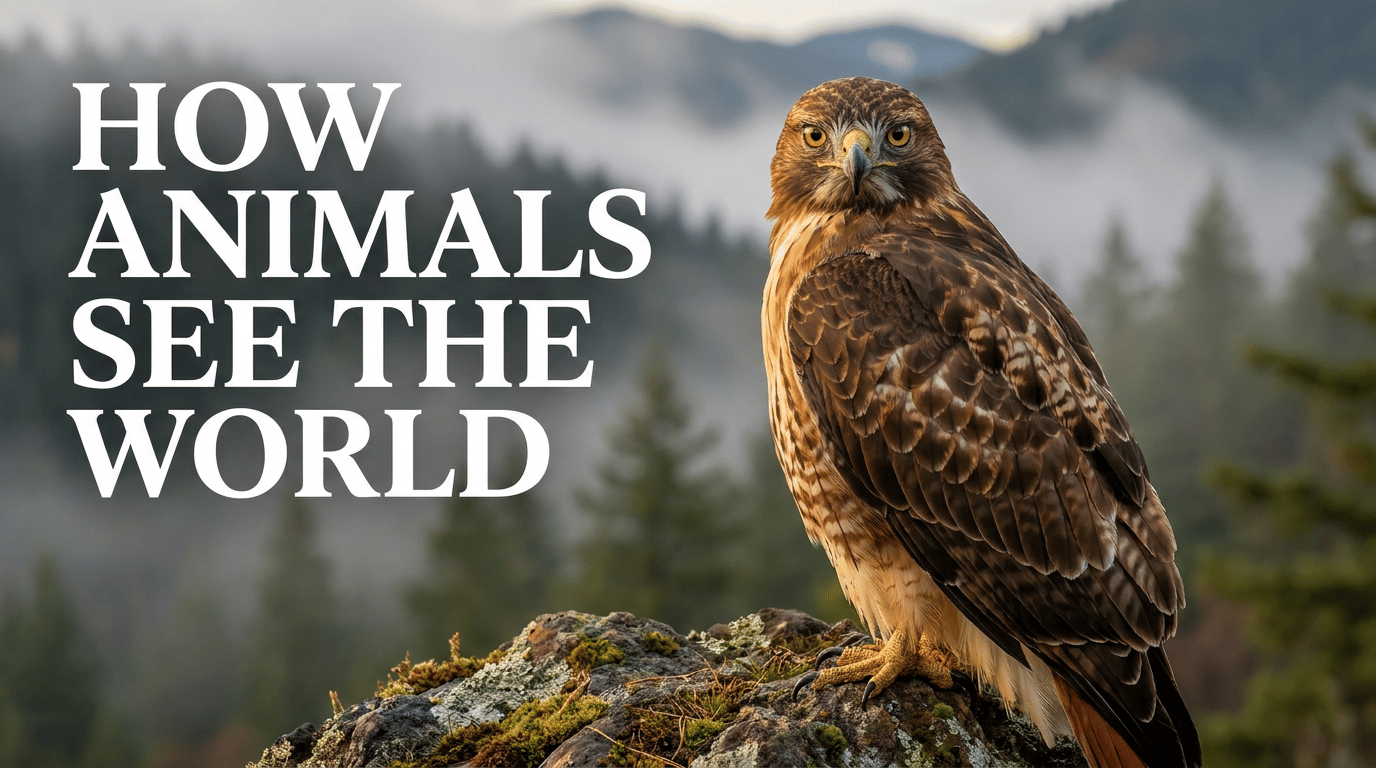
How Animals See the World

How Animals See the World featured image

How animals see the world depends on the kind of eyes they have, the light in their habitat, the predators or prey they must notice, and the behaviors that matter most for survival. A hawk scanning open ground, a cat hunting at dusk, a bee visiting flowers, and a horse watching for danger are not … Read more

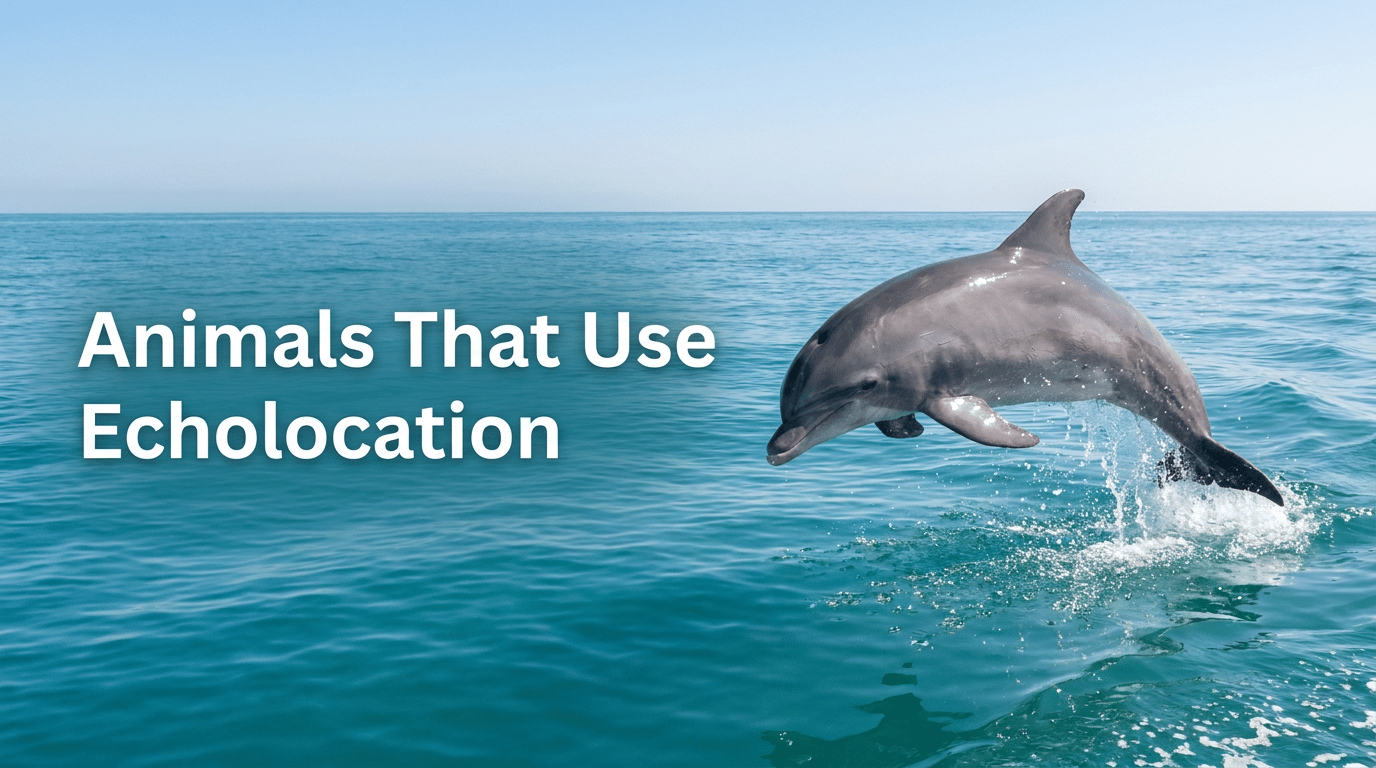
Animals That Use Echolocation

Animals That Use Echolocation featured image

Animals that use echolocation send out sounds and listen for the returning echoes to locate objects, prey, obstacles, or habitat features. It is one of nature’s most impressive sensing systems, but it is not magic and it is not the same as ordinary animal calls. Echolocation is active listening: the animal makes a signal, the … Read more