Why Do Bats Hang Upside Down? Anatomy Explained

Why Do Bats Hang Upside Down?

Bats hang upside down because their bodies are well suited to resting from the feet. Curved claws and specialized tendons help many bats maintain a secure grip with little continuous muscular effort. An overhead position also gives them access to sheltered surfaces and, in many situations, lets them release into open air when it is … Read more

Where Do Bats Live? Habitats and Roosts

Where Do Bats Live? Habitats, Roosts, and Shelters

Where do bats live? Bats occupy forests, deserts, grasslands, wetlands, farms, cities, mountains, coasts, and tropical islands, but they do not simply live wherever there is open air. Each species needs a suitable combination of food, water, flight space, seasonal conditions, and safe places to rest. The place a bat spends the day is called … Read more

How Bat Echolocation Works: Calls, Echoes, and Hunting

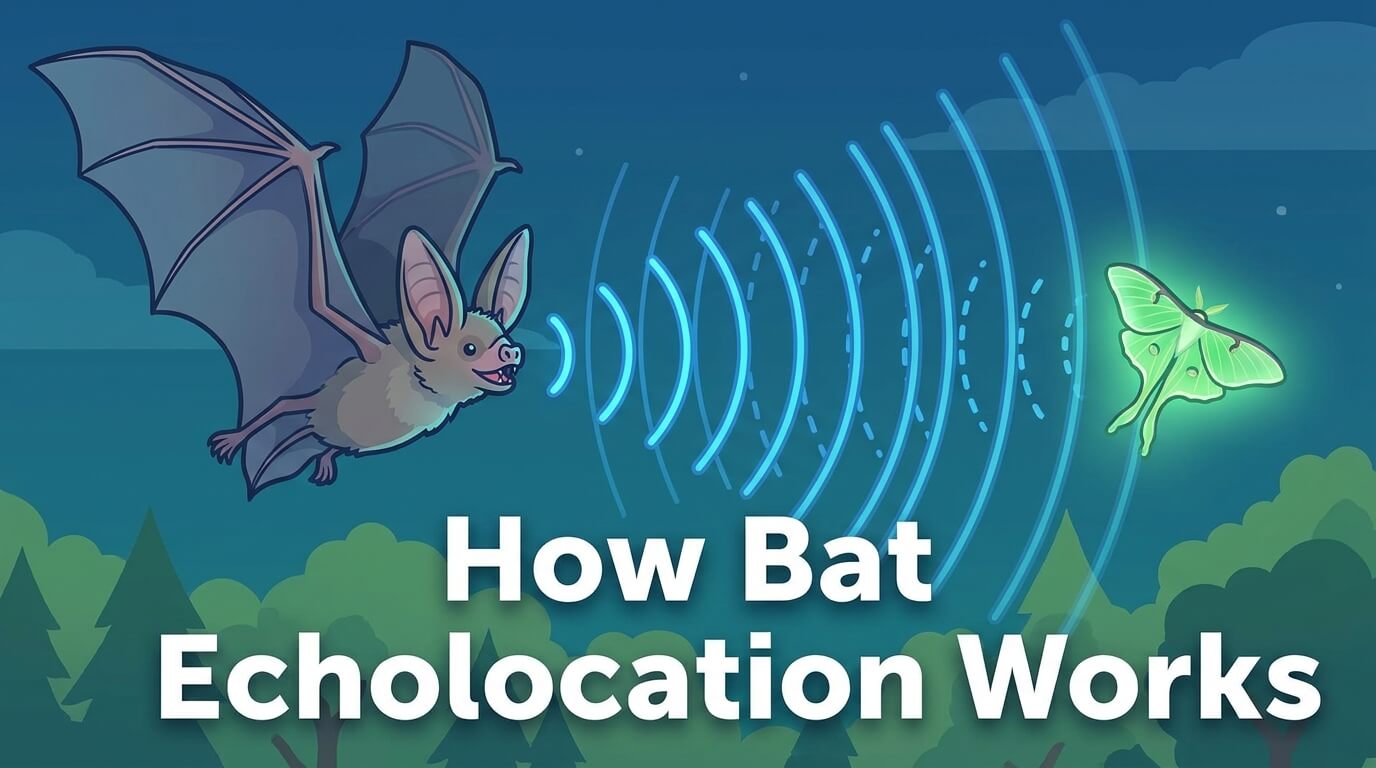
How Bat Echolocation Works

Bat echolocation is an active sensing system. A bat produces a brief sound, listens for the returning echoes, and uses tiny differences in echo timing, direction, frequency, and strength to guide its next movement. The process can help a bat avoid branches, recognize open flight paths, track insects, approach a landing surface, or inspect an … Read more

How Do Bats Fly? Wing Anatomy and Adaptations

How Do Bats Fly? Wings, Muscles, and Flight Adaptations

Bats fly by sweeping flexible, skin-covered wings through the air. Each downstroke pushes air downward and backward, producing the upward and forward forces needed to stay aloft. Unlike a gliding squirrel, a bat keeps adding energy with repeated wingbeats, so it can climb, turn, slow down, accelerate, and remain airborne without simply losing height. The … Read more

What Makes a Bat a Mammal? Key Traits Explained

What Makes a Bat a Mammal?

A bat is a mammal because it has the defining biological features of class Mammalia. Bats have hair, females produce milk from mammary glands, their ears contain the three middle-ear bones found in mammals, and their skulls and jaws follow the mammalian pattern. Living bat species also develop inside the mother and are born alive. … Read more

Endangered Mammals: Threats and Conservation

Endangered Mammals: Threats, Status, and Conservation

Endangered mammals are species facing a high risk of extinction, but the word endangered has a more precise meaning than simply rare, declining, or difficult to see. A species may be globally Endangered on the IUCN Red List, legally listed as endangered in the United States, protected from international trade under CITES, or covered by … Read more

Mammal Migration: Why Mammals Move

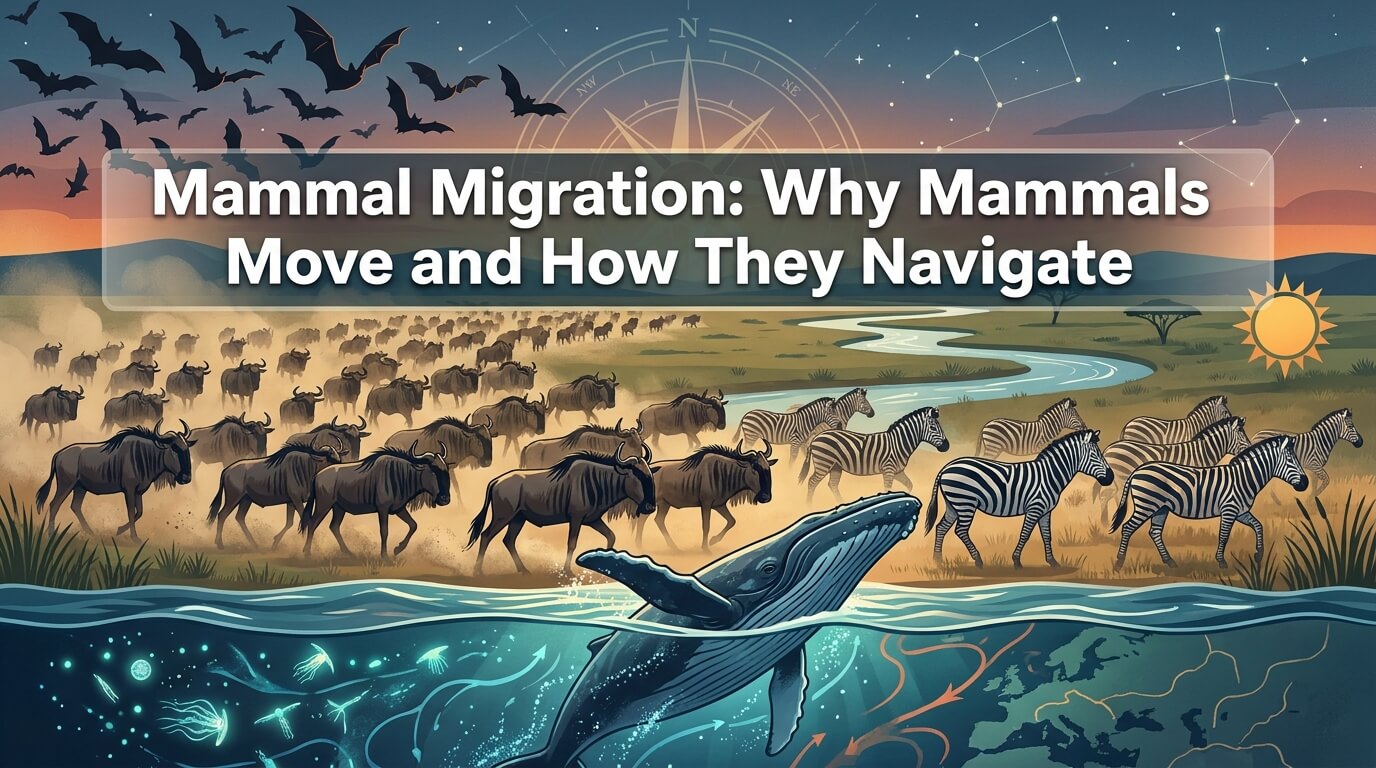
Mammal Migration: Why Mammals Move and How They Navigate

Mammal migration is a regular, often seasonal movement between places that provide different necessities at different times of year. A herd may travel between winter and summer ranges, a bat may move between breeding and overwintering regions, and a whale may alternate between productive feeding waters and warmer calving areas. The journey is not movement … Read more

Mammals That Hibernate: Torpor and Winter Survival

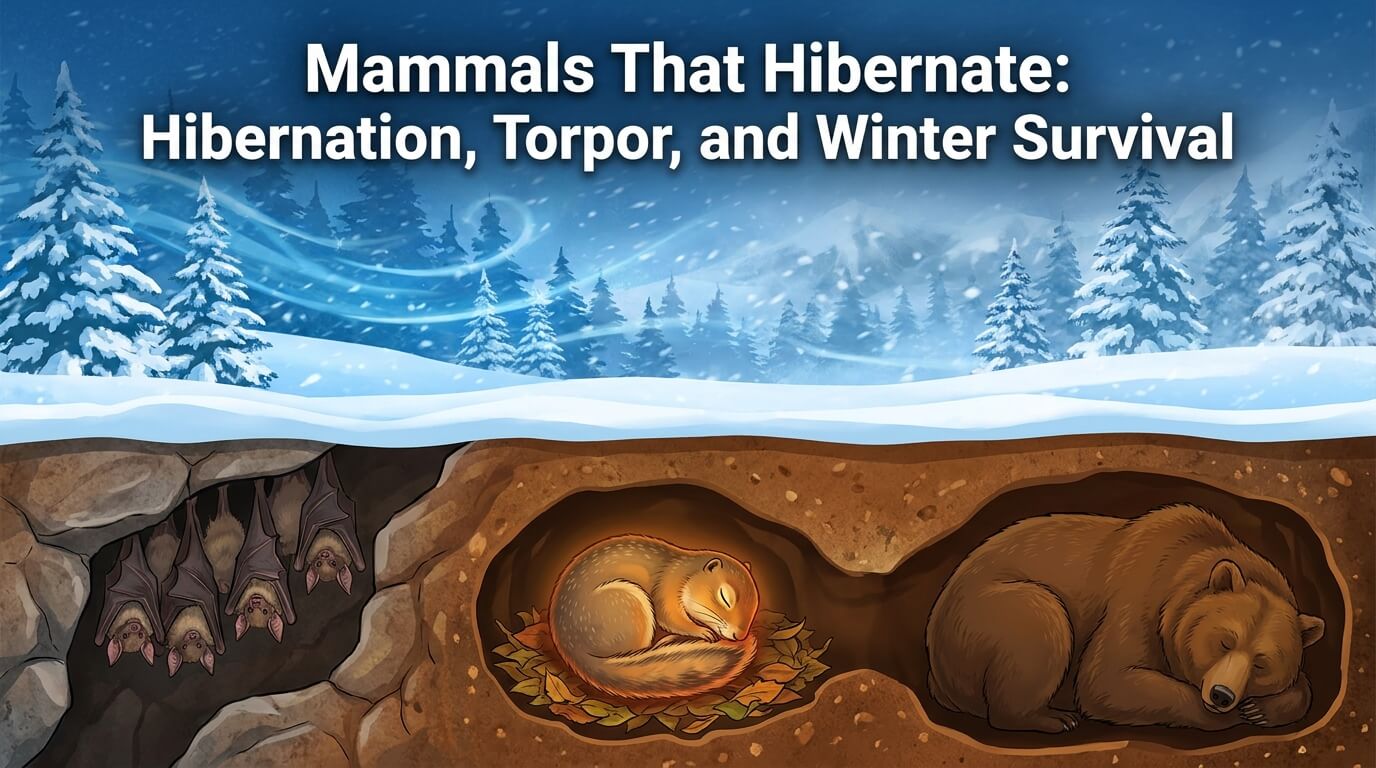
Mammals That Hibernate: Hibernation, Torpor, and Winter Survival

Mammals that hibernate survive difficult seasons by temporarily lowering the cost of staying alive. Instead of maintaining their usual high metabolic rate and body temperature around the clock, they enter a controlled state called torpor. During torpor, metabolism slows, body temperature usually falls, breathing becomes less frequent, and activity nearly stops. Hibernation is the seasonal … Read more