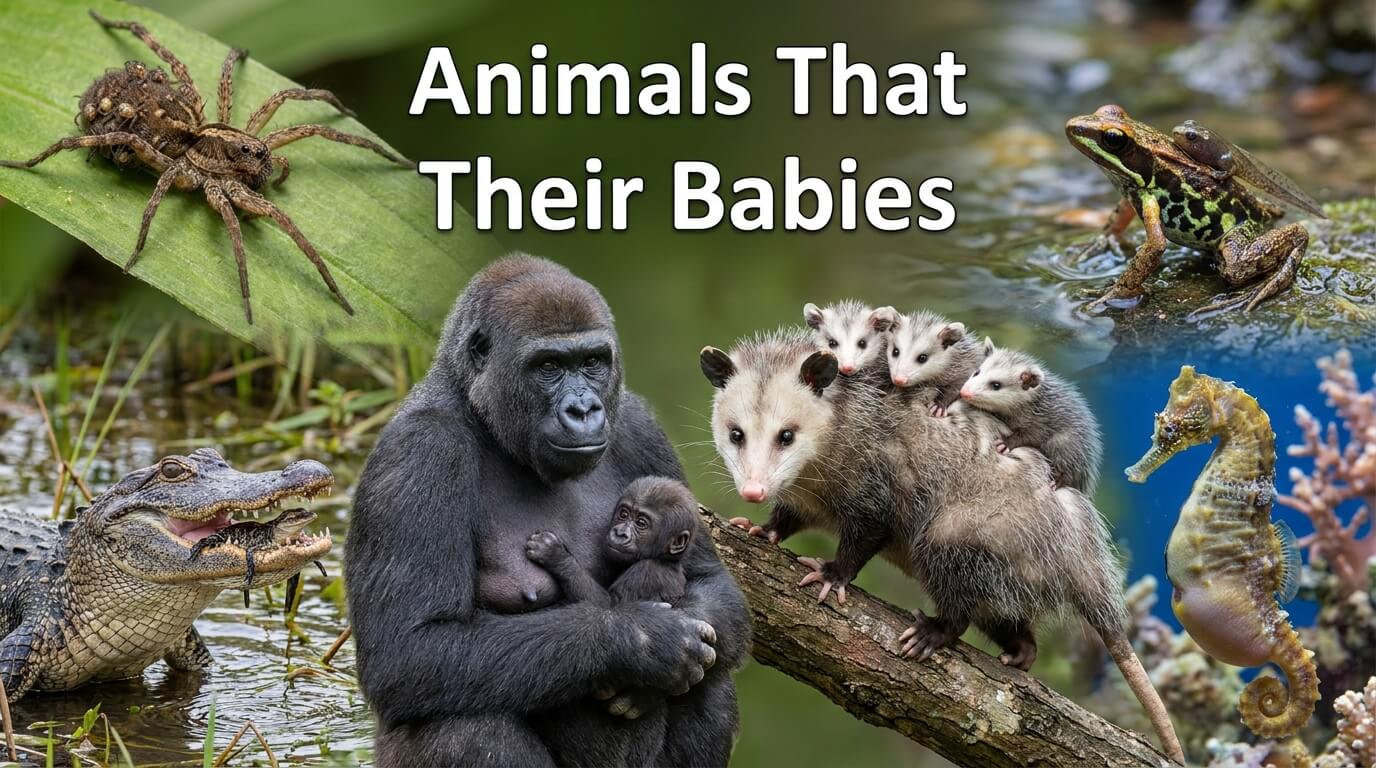
Why Are Frogs Important? Their Role in Ecosystems
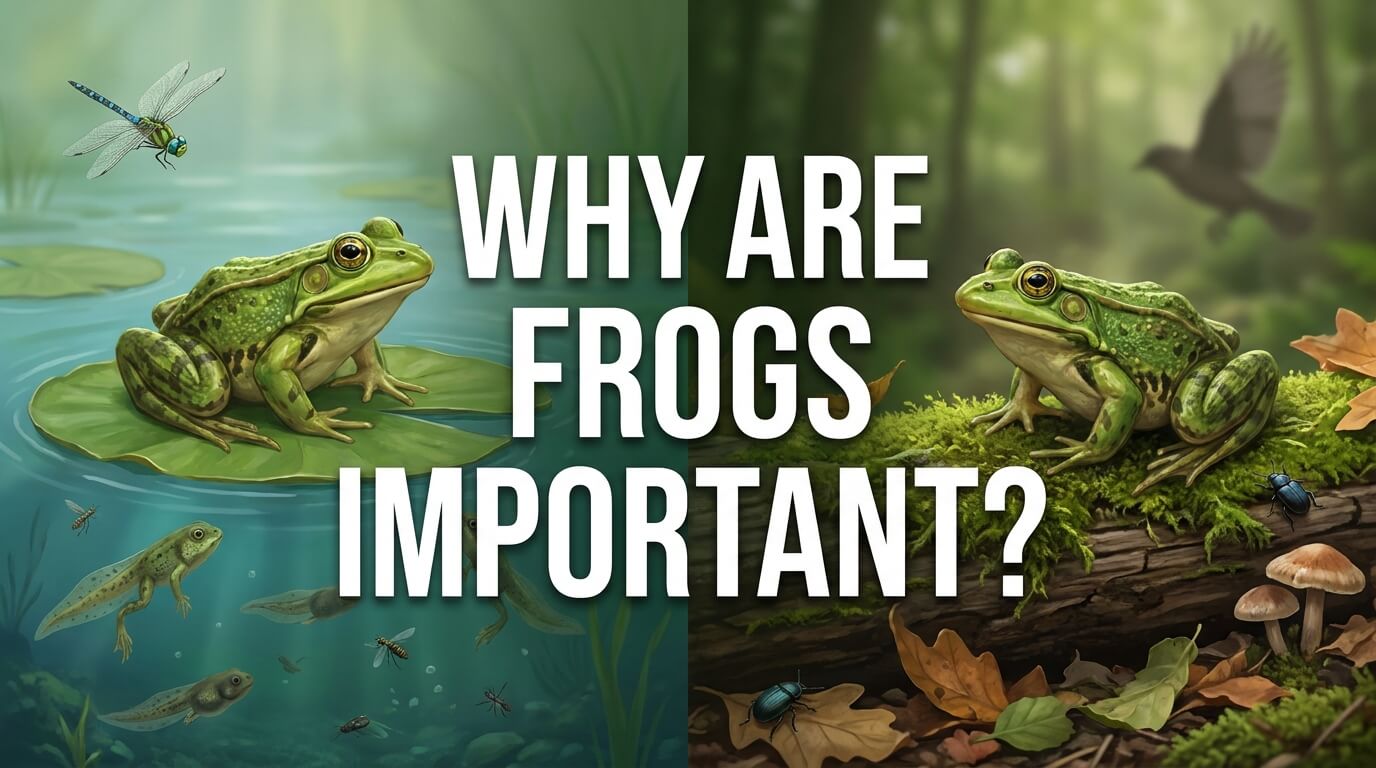
Why Are Frogs Important?

Frogs are important because they perform several jobs at once. Adult frogs hunt insects and other small animals, while eggs, tadpoles, juveniles, and adults feed a wide range of predators. Many tadpoles graze on algae, scrape biofilms, or process decaying material in freshwater. When young frogs leave the water after metamorphosis, they also move energy … Read more
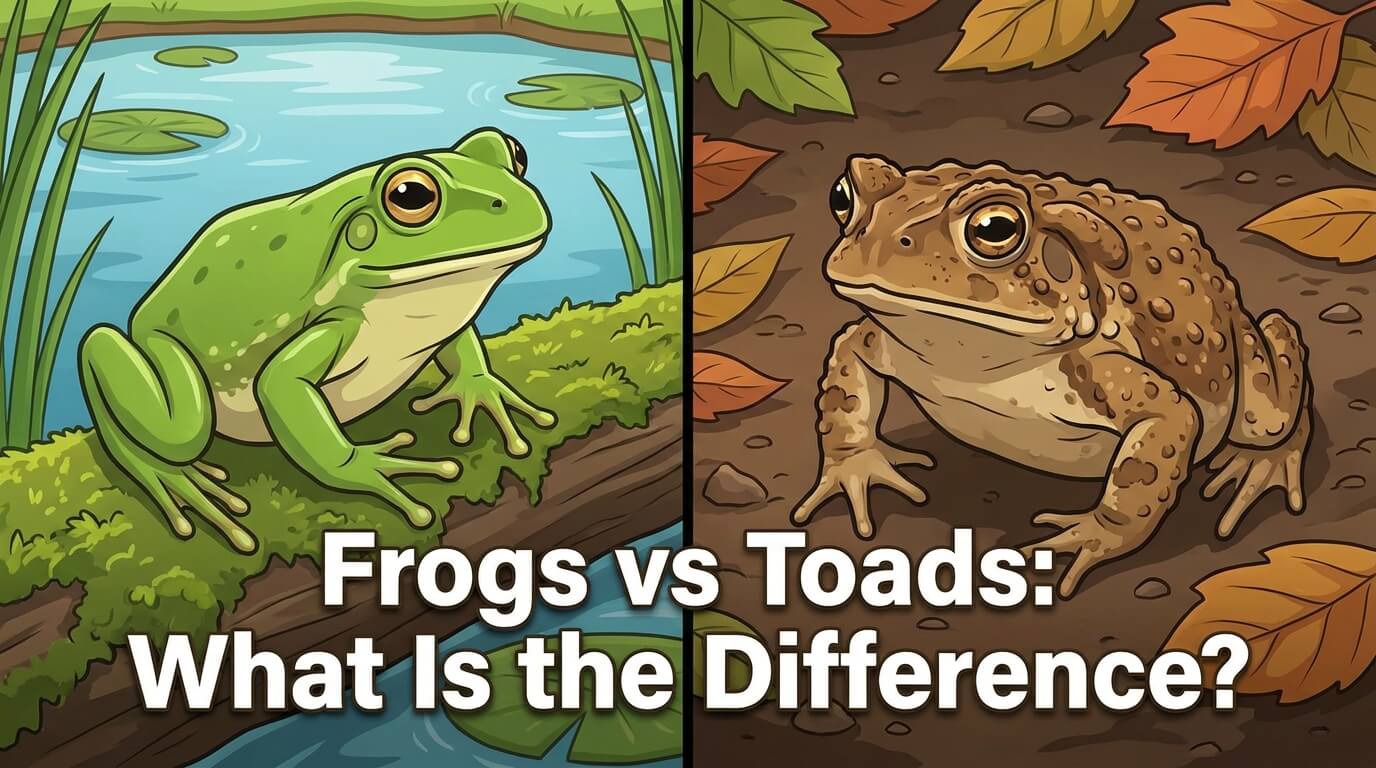
Amphibians: Types, Life Cycles, Habitats, and Survival

Amphibians: Frogs, Toads, Salamanders, and Their Survival

Amphibians are vertebrates whose lives are closely shaped by water, moisture, and temperature. The group includes frogs, toads, salamanders, newts, and caecilians. Many begin life in water and later use land, but that familiar pattern is only one version of amphibian life. Some species skip a free-swimming larval stage, some remain aquatic as adults, and … Read more

Animal Life Cycles Explained: Stages and Metamorphosis

Animal Life Cycles Explained

Animal life cycles describe how animals develop, reproduce, and give rise to the next generation. A life cycle may begin with a fertilized egg, an embryo developing inside a parent, or an asexually produced young animal. It then continues through birth or hatching, juvenile growth, maturity, reproduction, aging, and death. The sequence sounds simple, but … Read more

Why Animals Abandon Their Young: What It Means

Why Some Animals Abandon Their Young

Why animals abandon their young is more complicated than a parent simply deciding not to care. A young animal found alone may still be receiving normal care from a parent that feeds nearby, avoids drawing predators to the hiding place, or returns only when people have left. In other cases, care may decrease or stop … Read more

Marsupials Explained: Types, Pouches, Babies, Habitats, and Biology

Marsupials Explained

Marsupials are mammals best known for raising extremely undeveloped newborns while they remain attached to a teat, often inside a pouch. Kangaroos and koalas are the familiar examples, but the group also includes wombats, wallabies, bandicoots, bilbies, possums, opossums, gliders, quolls, and the Tasmanian devil. They range from tiny insect-eaters to large grazing kangaroos and … Read more

Animals That Mate for Life: Myth vs. Science

Animals That Mate for Life

Some animals form partnerships that last for years, and a few pairs remain together until one partner dies. Albatrosses may reunite at the same breeding colony after months apart at sea. Wolves often live in family groups centered on a breeding pair. Beavers may share a territory and lodge across multiple breeding seasons. These relationships … Read more

Animals That Build Nests: Types and Builders

Animals That Build Nests

Birds are famous for nest building, but they are far from the only animals that make protected places for eggs, young, rest, or social life. Gorillas bend branches into sleeping platforms. Crocodilians gather vegetation into mounds. Some frogs whip mucus into foam, some fish arrange plants or stones, and social insects excavate or construct chambers … Read more

How Animal Babies Survive in the Wild

How Animal Babies Survive in the Wild

Animal babies survive in the wild through a combination of built-in traits, learned behavior, carefully timed development, suitable habitat, and, in many species, help from adults. Some newborns remain hidden and nearly motionless. Others can stand, swim, or follow a parent soon after birth or hatching. Many rely on camouflage, group protection, rapid growth, warning … Read more