Why Do Animals Have Tails? Key Functions Explained

Why Do Animals Have Tails? thumbnail

Animals have tails because a tail can solve many different survival problems. Depending on the species, a tail may help with balance, swimming, steering in the air, communication, defense, warmth, fat storage, or social signals. A kangaroo’s tail is not doing the same job as a fish’s tail, and a dog’s wagging tail is not … Read more

Animal Teeth Types and What They Do

Animal Teeth Types thumbnail

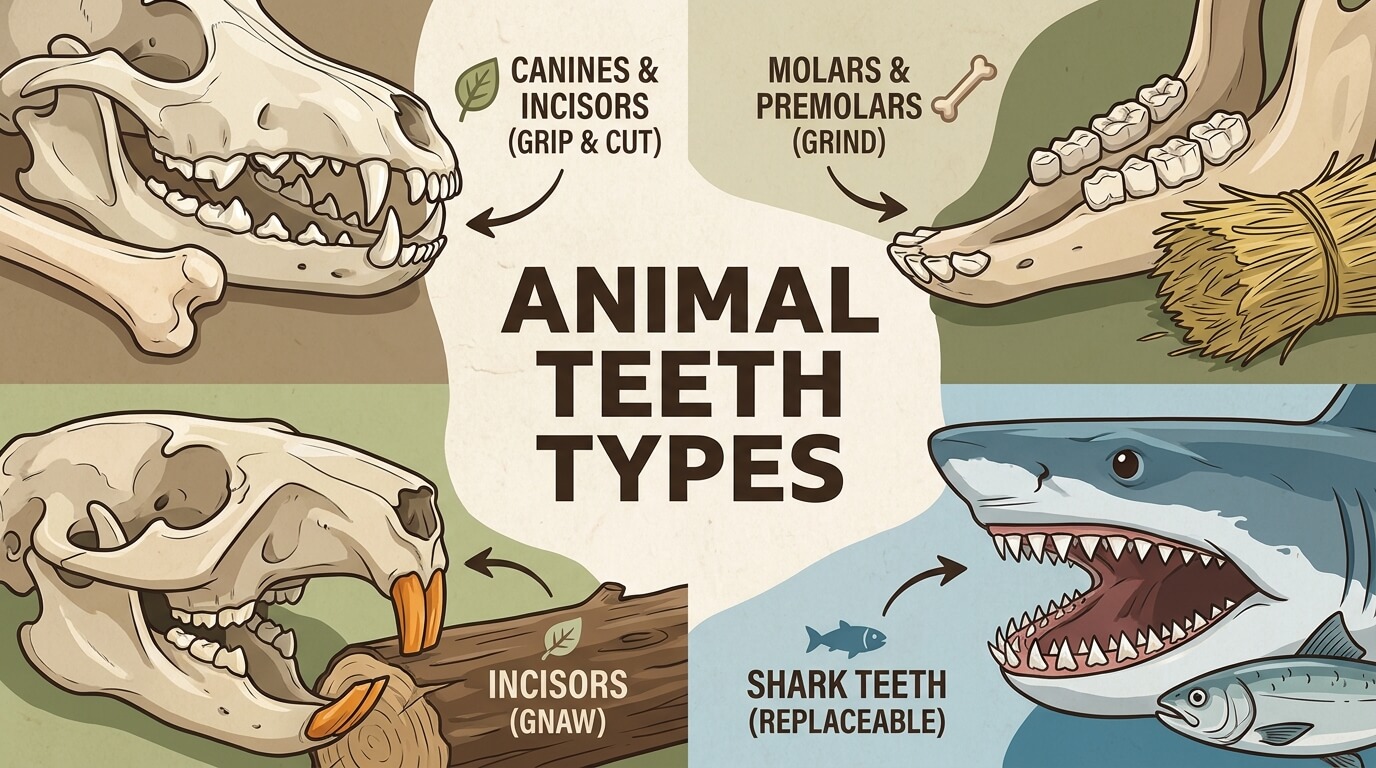
Animal teeth types are clues to how animals bite, chew, slice, grind, scrape, grip, and survive. A wolf’s pointed canines, a horse’s broad grinding teeth, a beaver’s orange incisors, and a shark’s replaceable cutting teeth all solve different feeding problems. Teeth are not just white points in a jaw. They are body tools shaped by … Read more

Fur vs Hair: What Is the Difference?

Fur vs Hair thumbnail

Fur vs hair is one of those animal questions that sounds simple until you look closely. In everyday language, people often say that dogs, cats, foxes, rabbits, and bears have fur, while humans, horses, elephants, and some dog breeds have hair. Biologically, though, fur and hair are not two completely different materials. Both are mammal … Read more

Animal Anatomy: Body Parts That Help Animals Survive

Animal Anatomy: Body Parts That Help Animals Survive thumbnail

Animal anatomy is the study of the body parts that let animals live, move, feed, sense danger, find mates, raise young, and survive in their surroundings. A beaver’s chisel-like front teeth, an alligator’s armored skin, a red panda’s bushy tail, and a bird’s feathers all look different, but they share the same basic idea: body … Read more

Animals That Live Underground: Burrows and Adaptations

Animals That Live Underground thumbnail

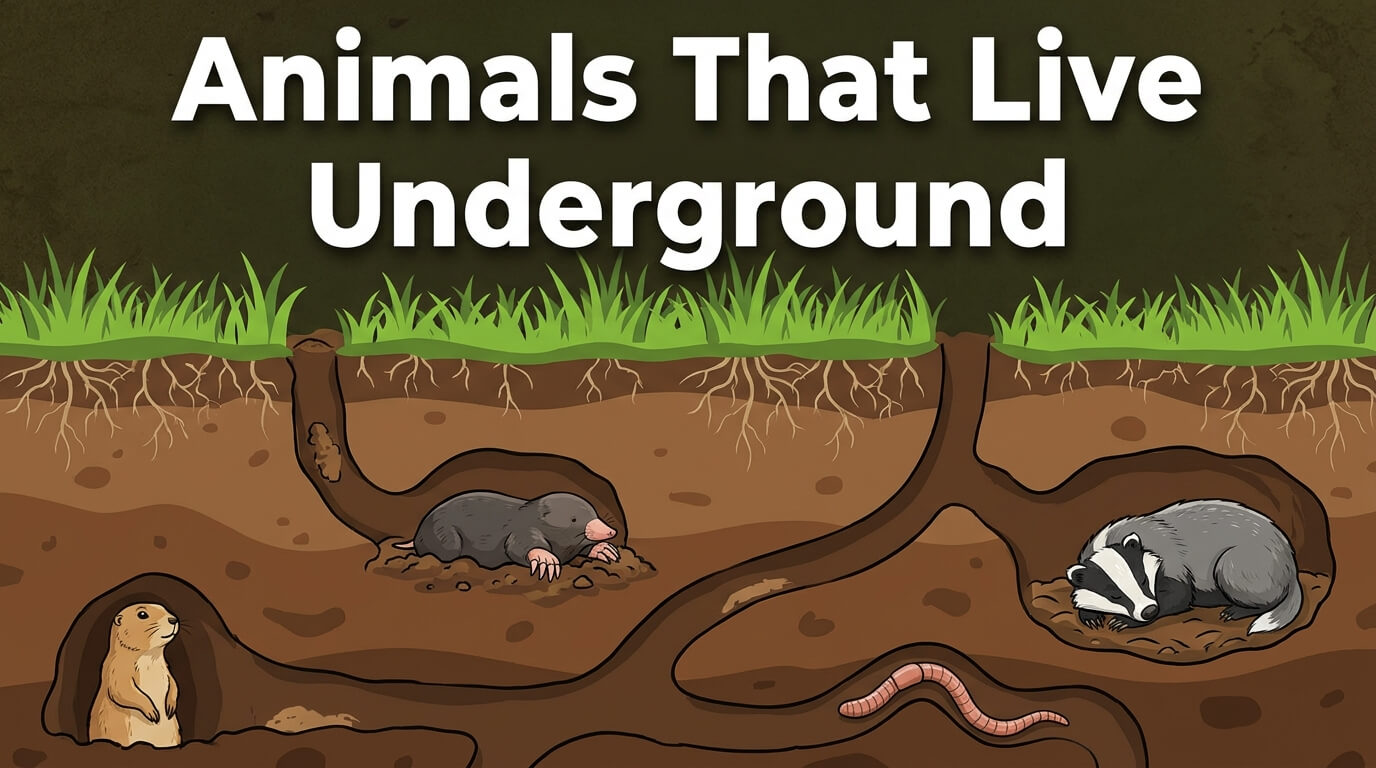
Animals that live underground use soil the way other animals use trees, water, rocks, or open grassland. A burrow can be a nursery, shelter, pantry, sleeping chamber, temperature refuge, ambush site, escape tunnel, or whole colony. Some underground animals spend nearly their entire lives below the surface. Others only dig when they need to nest, … Read more

Cave Animals: Life in Dark Underground Habitats

Cave Animals thumbnail

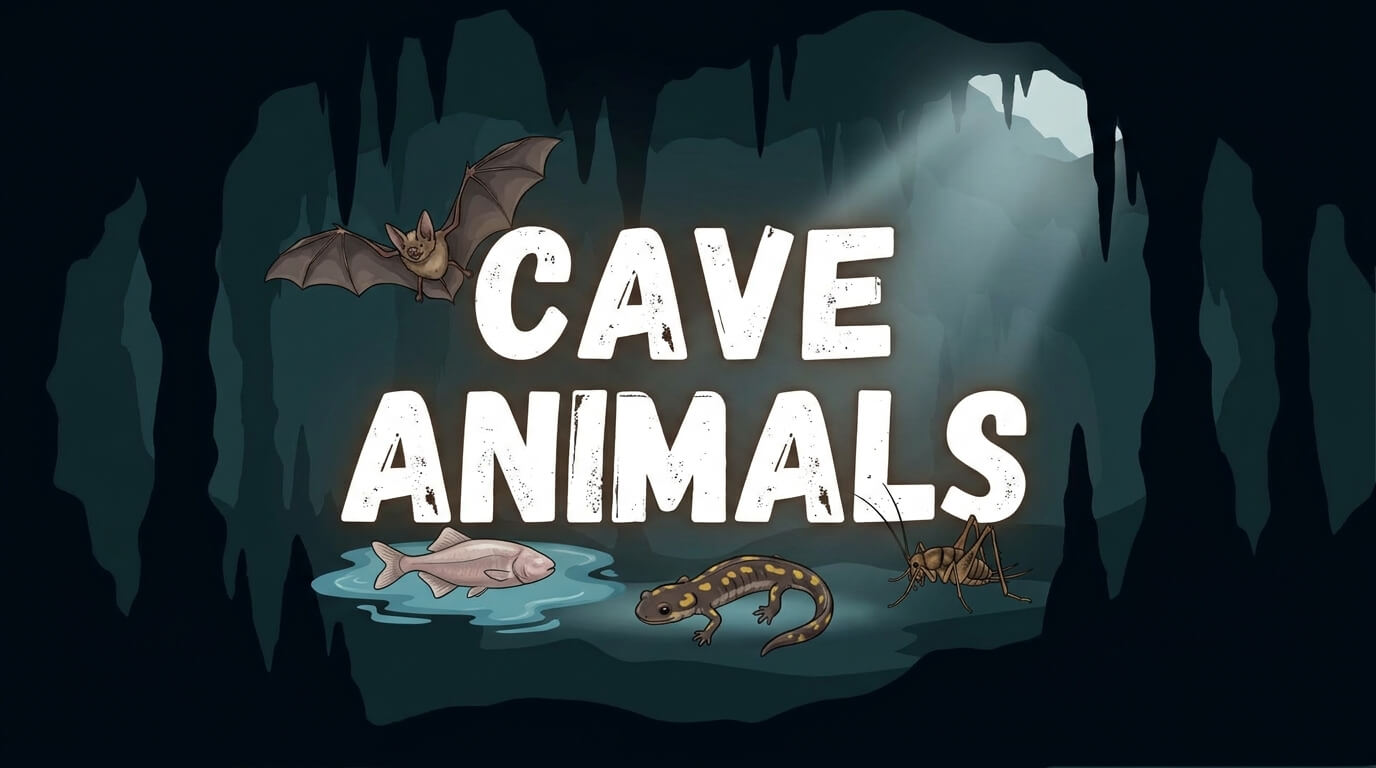
Cave animals are wildlife that use caves for shelter, feeding, breeding, hibernation, or complete life in darkness. Some, such as many bats, leave the cave to feed and return to roost. Others, such as certain cavefish, salamanders, spiders, insects, and crustaceans, may spend their entire lives in dark underground spaces. The most specialized cave animals … Read more

Wetland Animals

Wetland Animals thumbnail

Wetland animals live in places where land and water meet, mix, rise, fall, freeze, dry, and flood. Frogs, salamanders, ducks, herons, alligators, turtles, muskrats, beavers, dragonflies, snails, crayfish, and countless small invertebrates can all be part of wetland wildlife, depending on the region and wetland type. The main thing they share is not one body … Read more