Why Biodiversity Matters

Why Biodiversity Matters thumbnail

Why biodiversity matters comes down to one simple idea: ecosystems work better when many different living things share the work of staying alive. A forest, prairie, coral reef, river, or backyard pond is not balanced by one impressive animal alone. It is shaped by predators, prey, pollinators, seed dispersers, grazers, scavengers, decomposers, parasites, microbes, plants, … Read more

Trophic Cascades Explained

Trophic Cascades Explained thumbnail

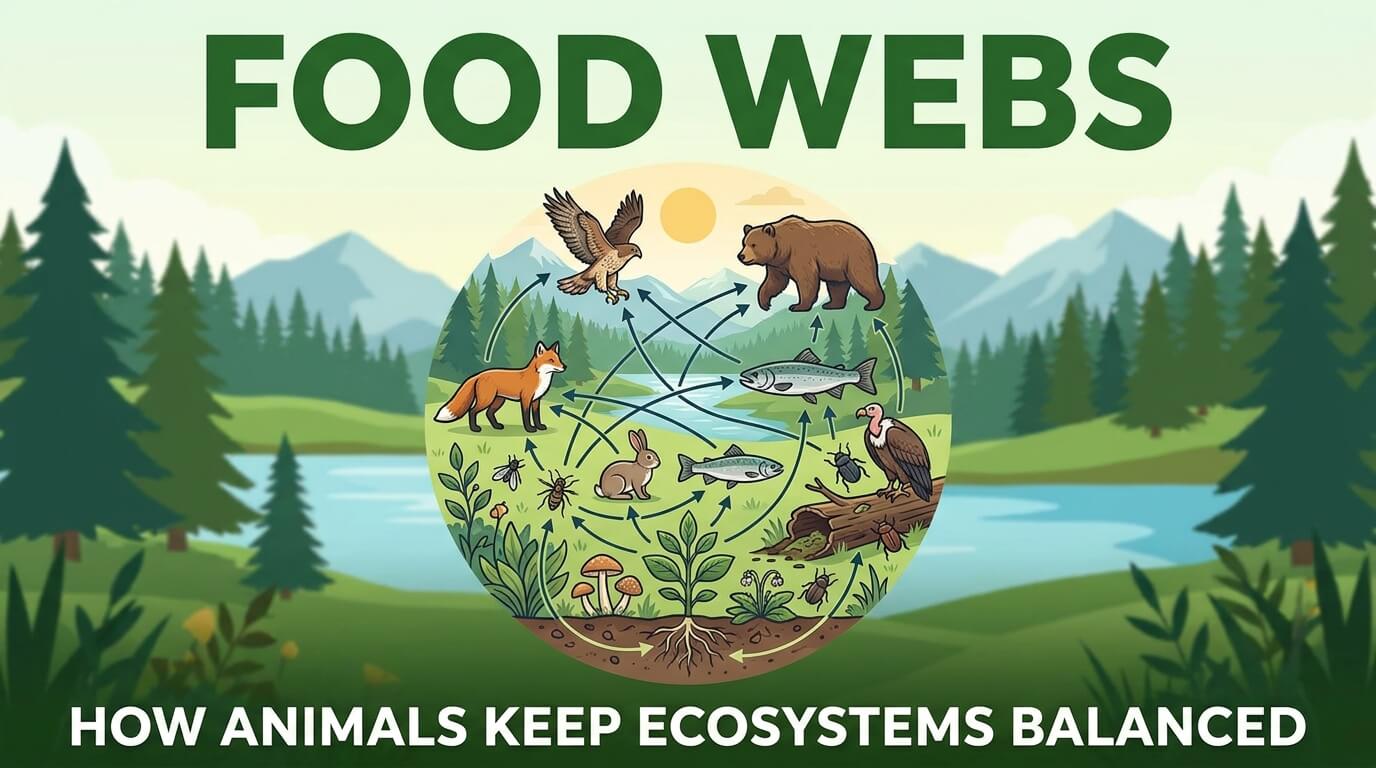
Trophic cascades are chain reactions in food webs. They happen when a change in one trophic level, such as predators, herbivores, plants, or tiny plankton, indirectly changes other levels. A predator can affect plants by changing how many herbivores are present or how those herbivores behave. A change in plant growth can also move upward … Read more

Keystone Species Explained

Keystone Species Explained thumbnail

A keystone species is an organism whose role is unusually important to the structure of its ecosystem. The idea is not that the species is always the biggest, rarest, or most aggressive animal in a habitat. It is that the ecosystem can change in major ways when that species declines or disappears. Predator-based examples are … Read more

How Green Spaces Help Wildlife

How Green Spaces Help Wildlife featured image

Green spaces help wildlife by giving animals places to find food, water, shelter, nesting sites, shade, and safer movement routes inside cities. A park, riverbank, garden, campus, cemetery, street tree corridor, wetland, vacant lot, or green roof can become part of an urban habitat network when it offers real ecological value instead of just open … Read more

Window Strikes and Birds

Window Strikes and Birds featured image

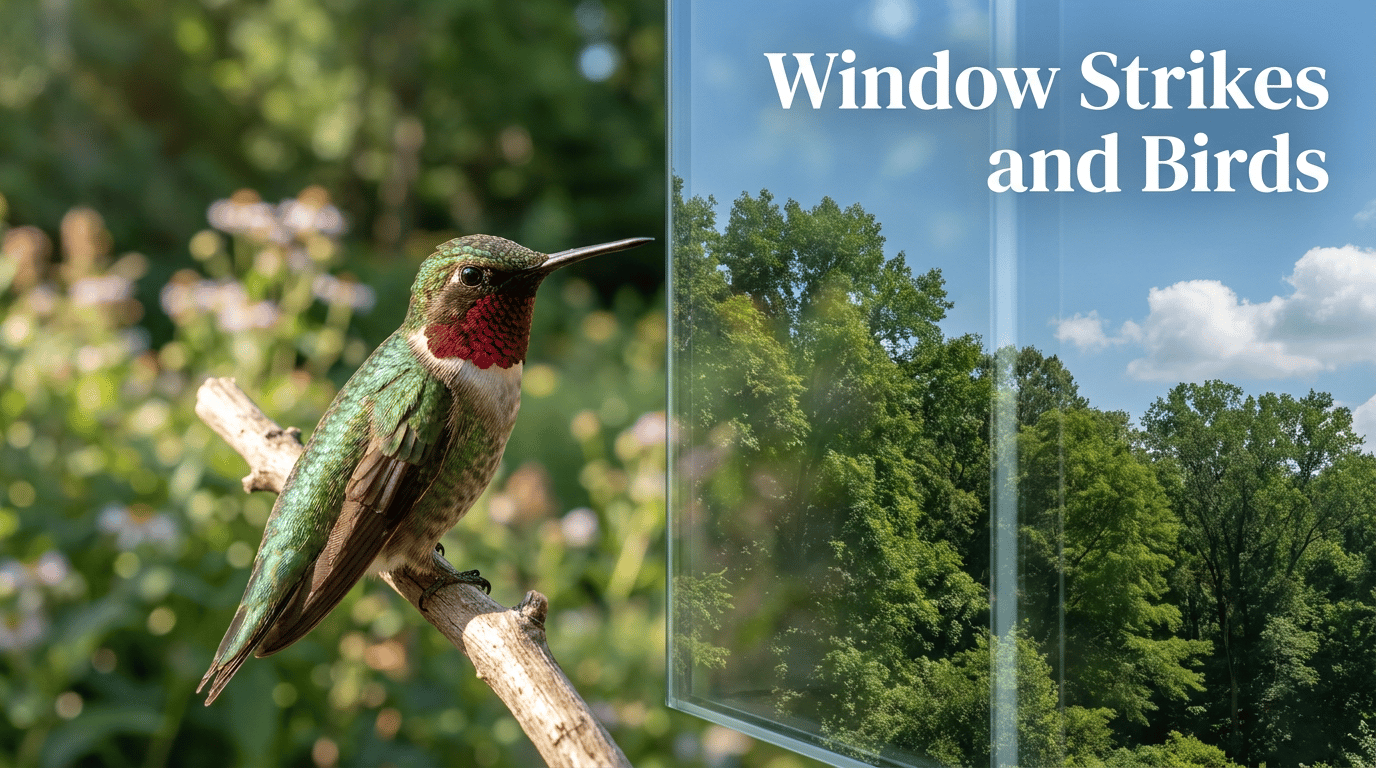
Window strikes and birds are connected by one of the most ordinary things in human buildings: glass. A window may look clear, reflective, harmless, or decorative to us, but a bird can read that same surface as open sky, tree cover, or a safe flight path. The result is a collision that may injure or … Read more

Roadkill and Wildlife

Roadkill and Wildlife featured image

Roadkill and wildlife are connected by a simple problem: roads often cut across the places animals need to move. A deer may cross to reach feeding areas. A turtle may leave a wetland to nest. A frog may move during a rainy breeding night. A hawk may land near a carcass. When those normal movements … Read more

Wildlife Crossings

Wildlife Crossings featured image

Wildlife crossings are structures that help animals move across roads without stepping directly into traffic. They can look like planted bridges, wide underpasses, small tunnels, modified culverts, canopy ropes, or fenced guide systems that lead animals toward a safer route. The idea is simple, but the biology behind it is not: different animals move for … Read more

How Noise Pollution Affects Wildlife

How Noise Pollution Affects Wildlife featured image

Noise pollution affects wildlife by making it harder for animals to communicate, find mates, detect predators, locate prey, move through habitat, and use areas that would otherwise be suitable. For many animals, sound is not background decoration. It is part of how they survive. A busy road, aircraft route, construction site, boat channel, or loud … Read more