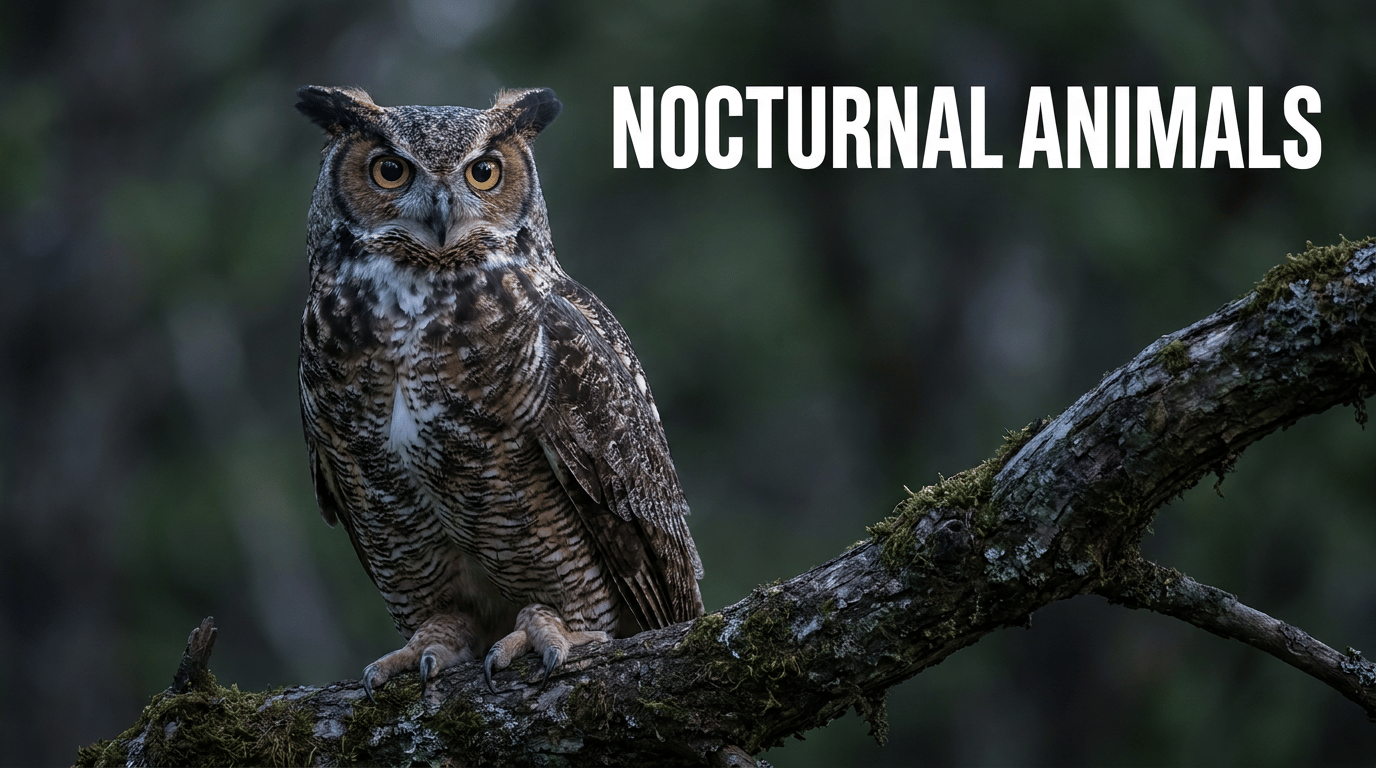
Nocturnal Animals

Nocturnal Animals featured image

Nocturnal Animals explains how animals meet the basic challenges of staying alive, finding food, avoiding danger, reproducing, and handling the places they live. The most useful way to read nocturnal animals is to connect each trait with a real survival problem. This guide is written for Students, parents, teachers, animal lovers, and readers curious about … Read more
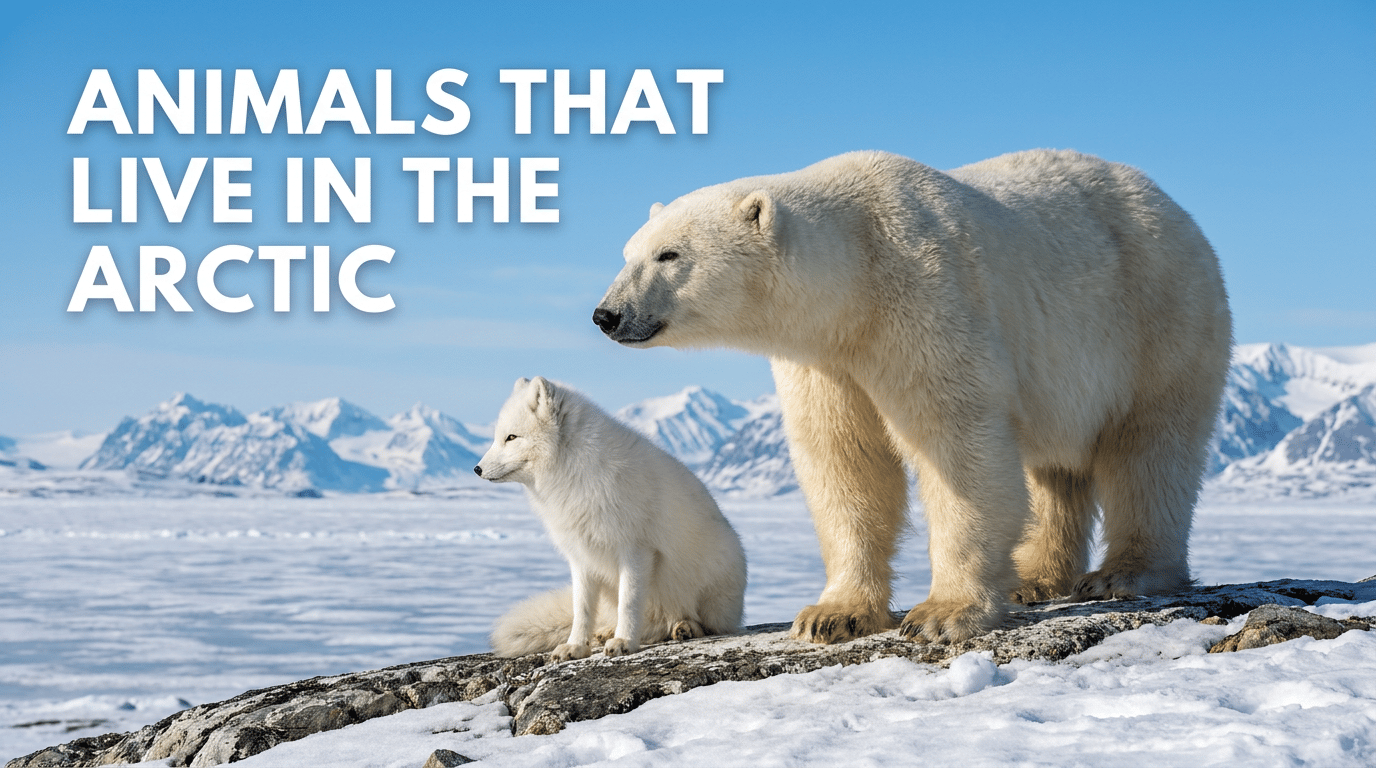
Animals That Live in the Arctic

Animals That Live in the Arctic featured image

Animals That Live in the Arctic explains how animals meet the basic challenges of staying alive, finding food, avoiding danger, reproducing, and handling the places they live. The most useful way to read animals that live in the arctic is to connect each trait with a real survival problem. This guide is written for Students, … Read more

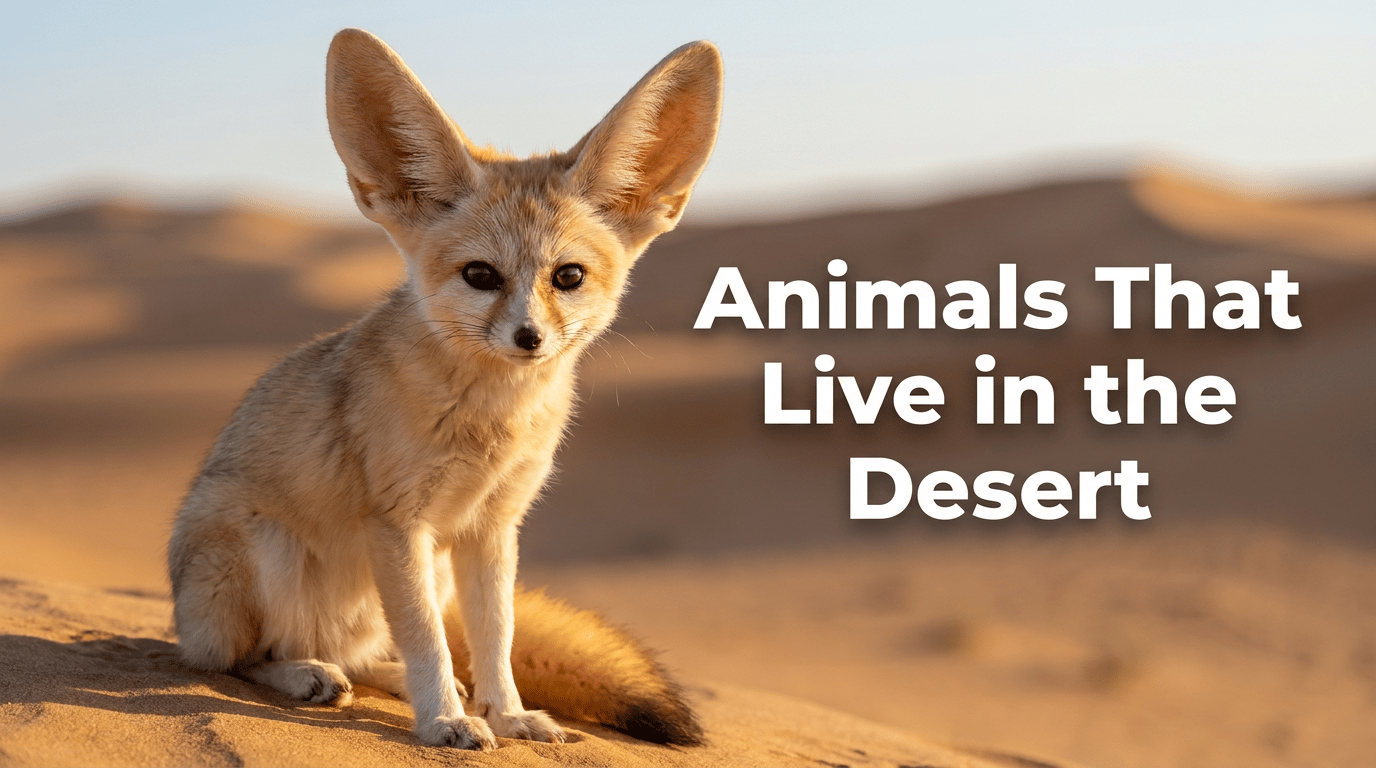
Animals That Live in the Desert

Animals That Live in the Desert featured image

Animals That Live in the Desert explains how animals meet the basic challenges of staying alive, finding food, avoiding danger, reproducing, and handling the places they live. The most useful way to read animals that live in the desert is to connect each trait with a real survival problem. This guide is written for Students, … Read more

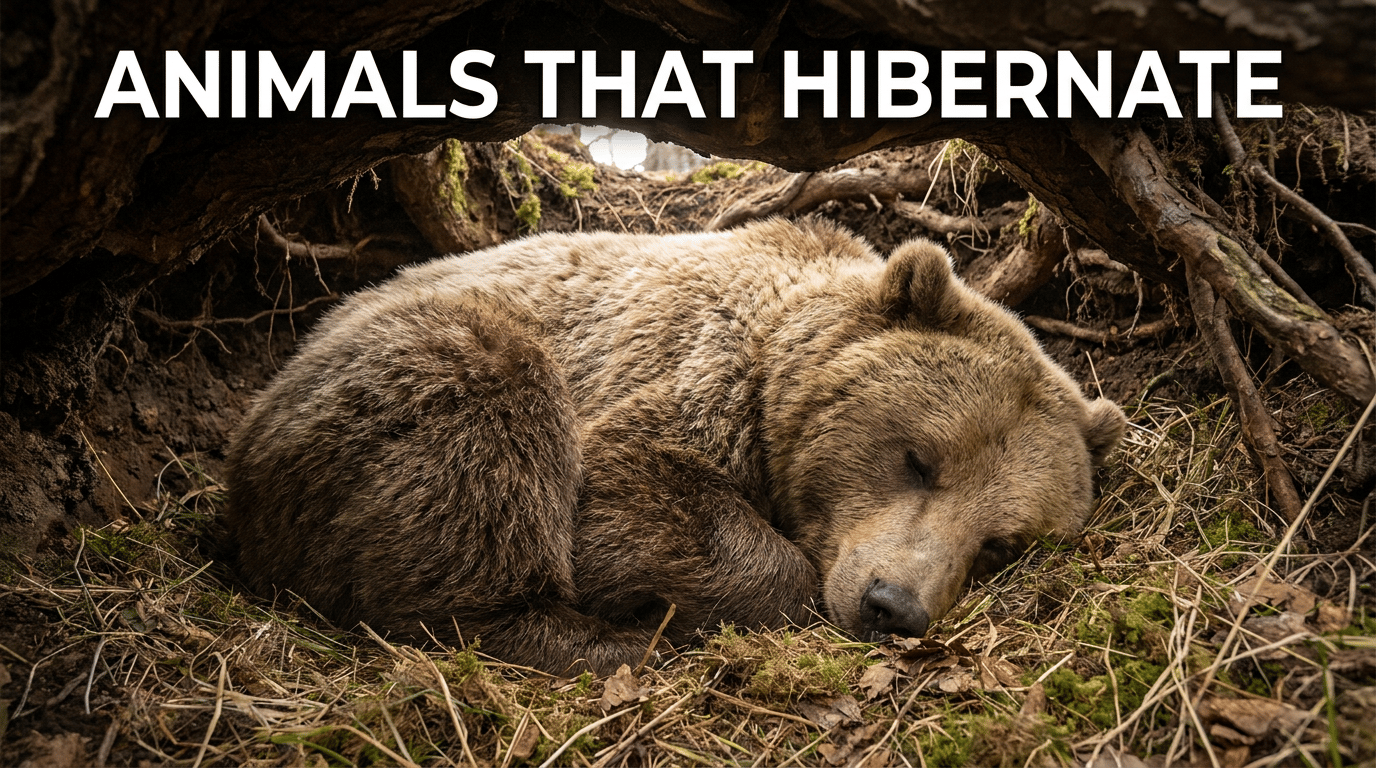
Animals That Hibernate

Animals That Hibernate featured image

Animals That Hibernate explains how animals meet the basic challenges of staying alive, finding food, avoiding danger, reproducing, and handling the places they live. The most useful way to read animals that hibernate is to connect each trait with a real survival problem. This guide is written for Students, parents, teachers, animal lovers, and readers … Read more

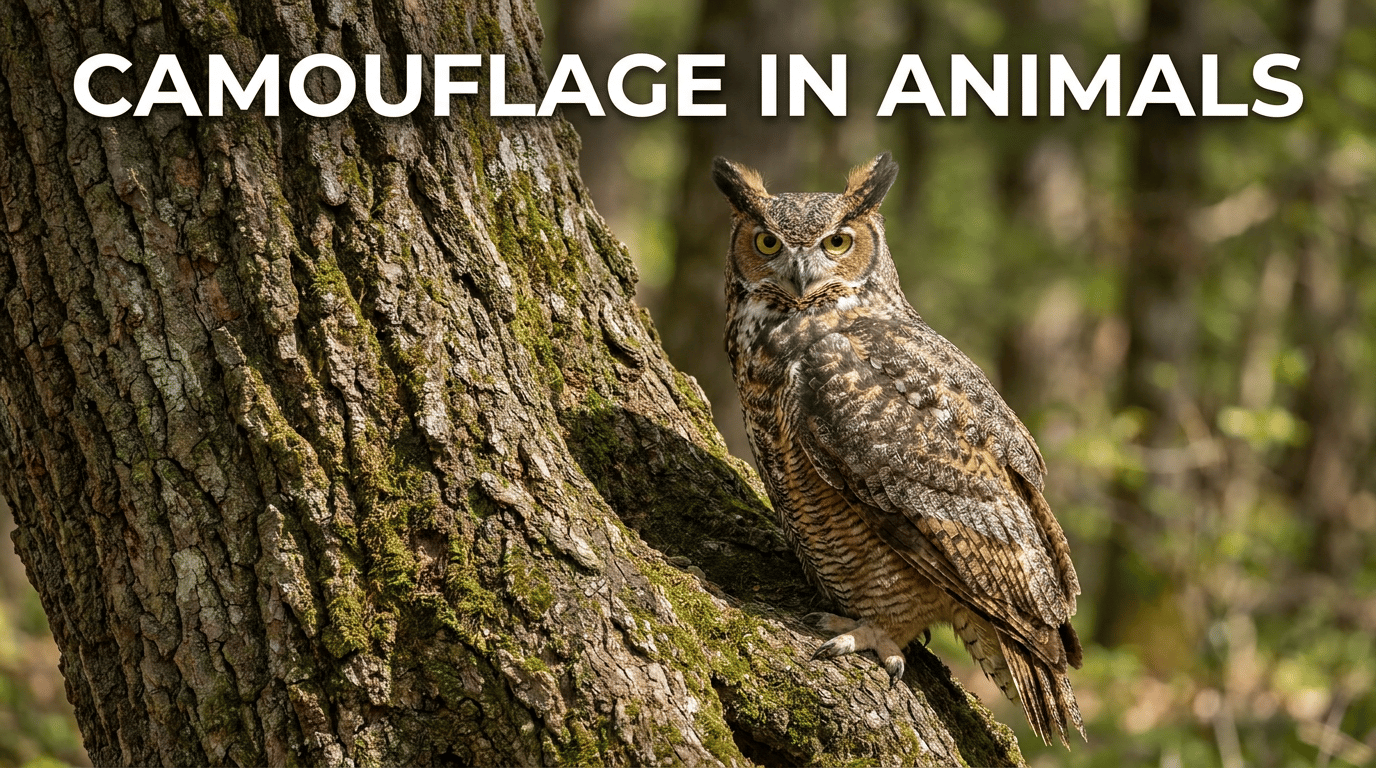
Camouflage in Animals

Camouflage in Animals featured image

Camouflage in Animals explains how animals meet the basic challenges of staying alive, finding food, avoiding danger, reproducing, and handling the places they live. The most useful way to read camouflage in animals is to connect each trait with a real survival problem. This guide is written for Students, teachers, parents, animal lovers, and readers … Read more

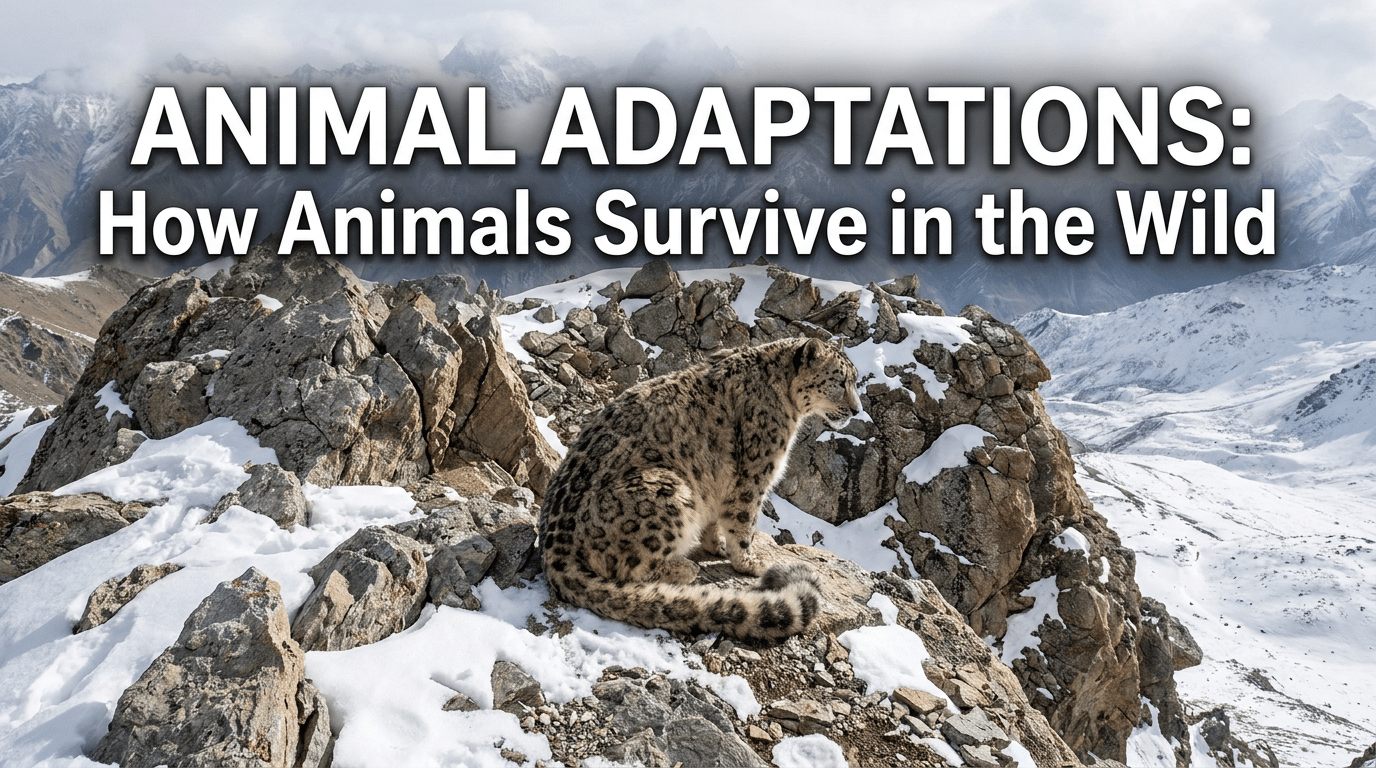
Animal Adaptations: How Animals Survive in the Wild

Animal Adaptations: How Animals Survive in the Wild featured image

Animal Adaptations: How Animals Survive in the Wild explains how animals meet the basic challenges of staying alive, finding food, avoiding danger, reproducing, and handling the places they live. The most useful way to read animal adaptations is to connect each trait with a real survival problem. This guide is written for Students, parents, teachers, … Read more

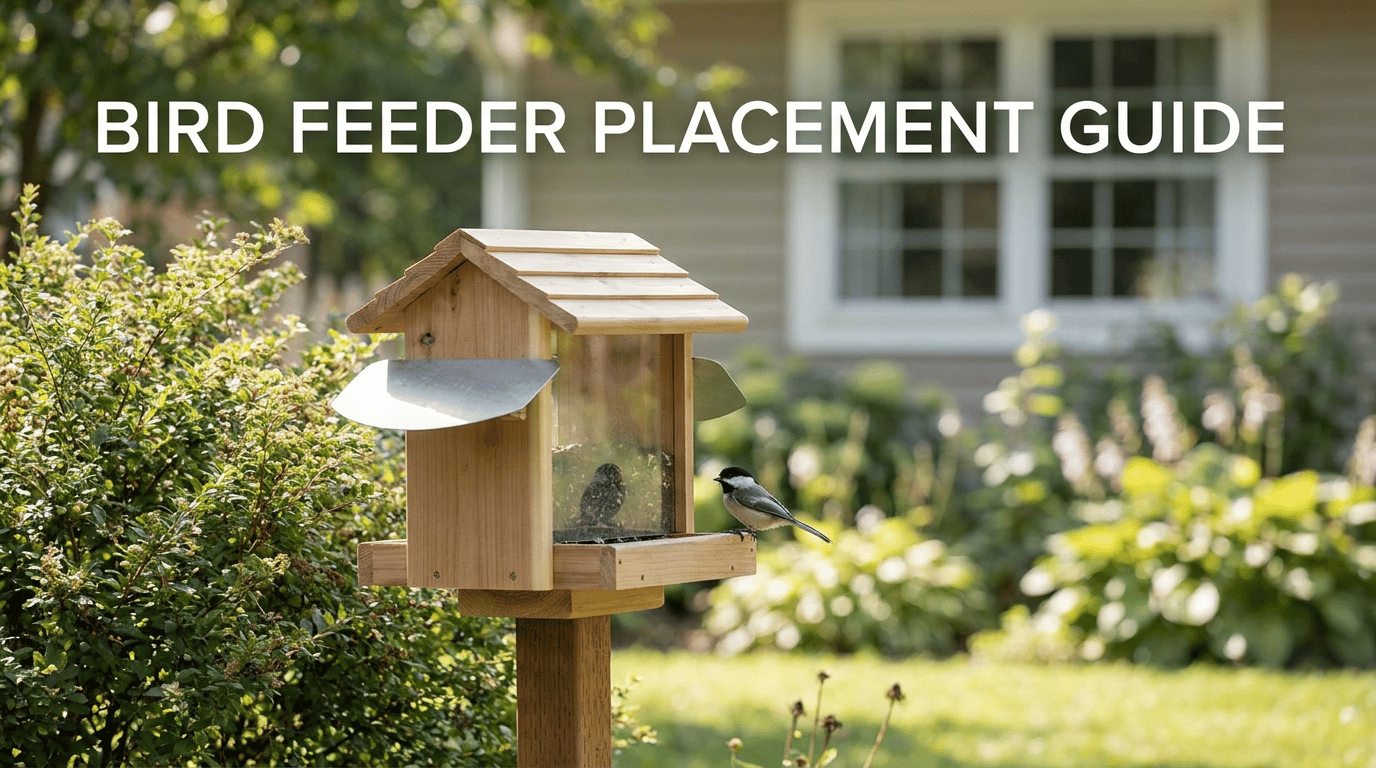
Bird Feeder Placement Guide

Bird Feeder Placement Guide featured image

Bird Feeder Placement Guide is for readers who notice activity near a lawn, garden, porch, balcony, fence, feeder, or tree line and want a clear way to understand it. Backyard animals are not random visitors. They usually appear because a yard offers food, water, shelter, nesting space, travel cover, or a quiet place to pause. … Read more

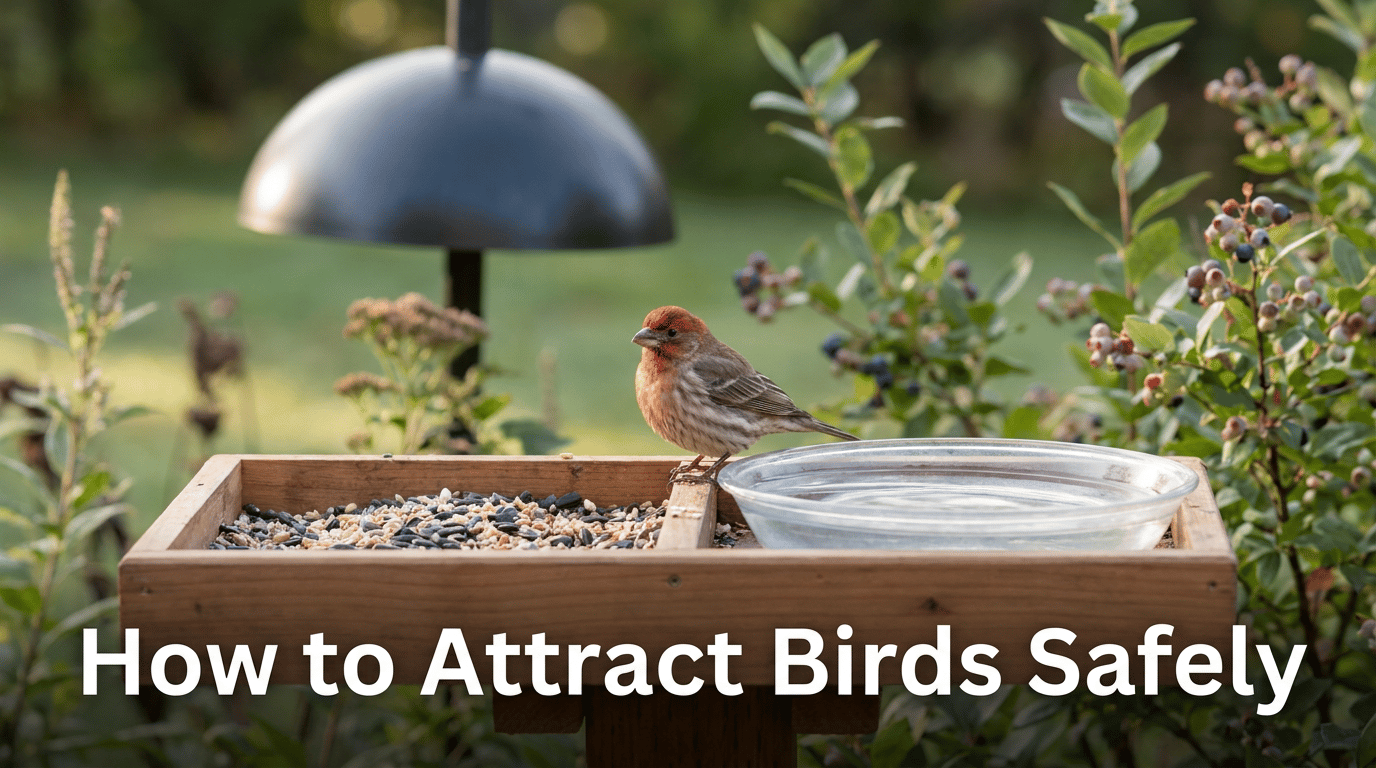
How to Attract Birds Safely

How to Attract Birds Safely featured image

How to Attract Birds Safely is for readers who notice activity near a lawn, garden, porch, balcony, fence, feeder, or tree line and want a clear way to understand it. Backyard animals are not random visitors. They usually appear because a yard offers food, water, shelter, nesting space, travel cover, or a quiet place to … Read more

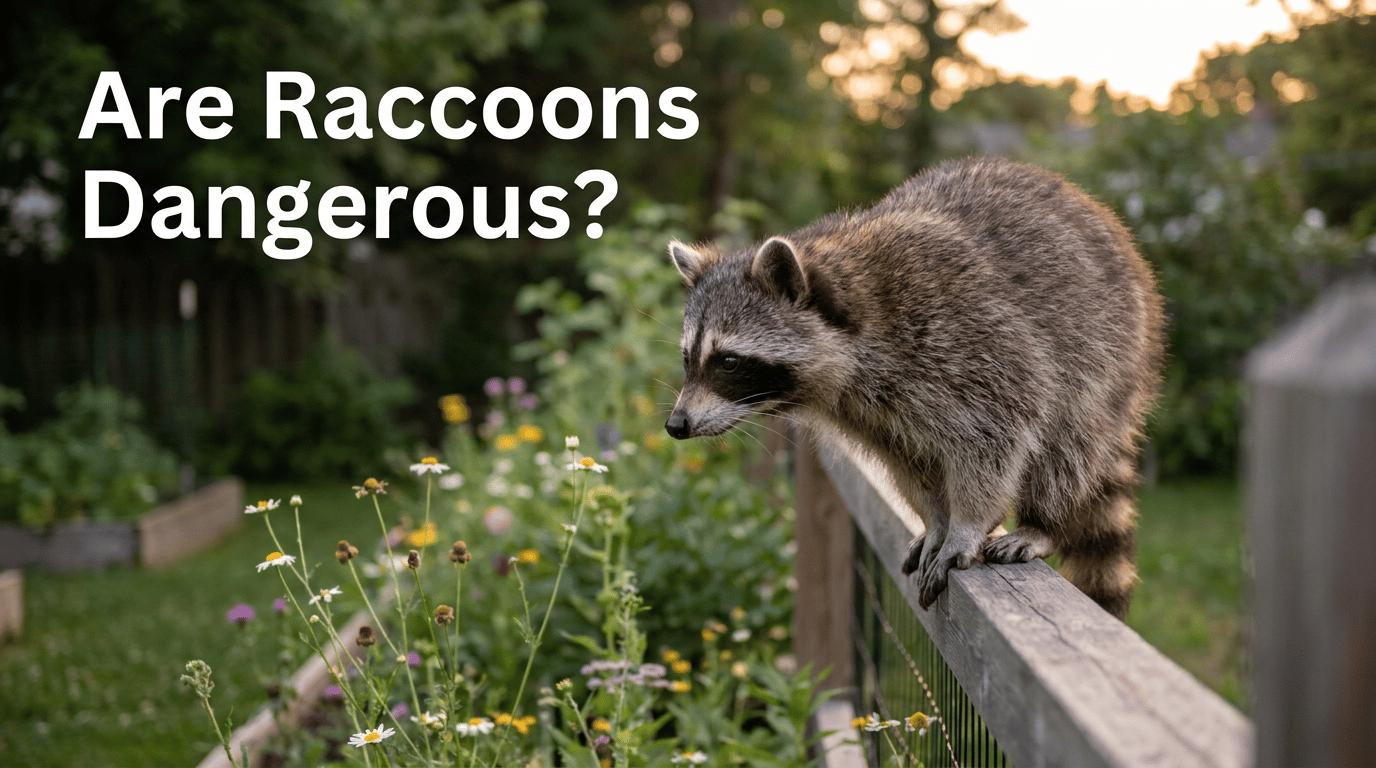
Are Raccoons Dangerous?

Are Raccoons Dangerous? featured image

Are Raccoons Dangerous? is for readers who notice activity near a lawn, garden, porch, balcony, fence, feeder, or tree line and want a clear way to understand it. Backyard animals are not random visitors. They usually appear because a yard offers food, water, shelter, nesting space, travel cover, or a quiet place to pause. This … Read more

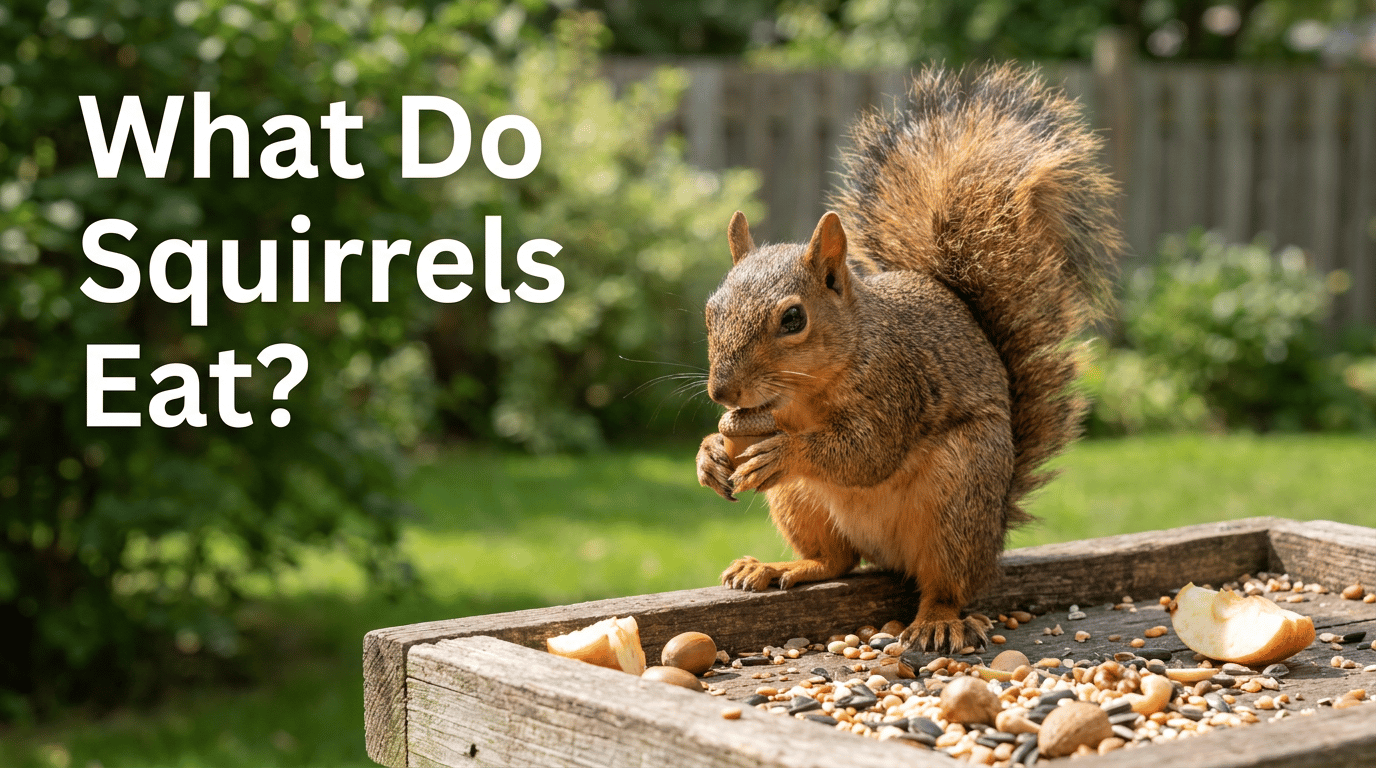
What Do Squirrels Eat?

What Do Squirrels Eat? featured image

What Do Squirrels Eat? is for readers who notice activity near a lawn, garden, porch, balcony, fence, feeder, or tree line and want a clear way to understand it. Backyard animals are not random visitors. They usually appear because a yard offers food, water, shelter, nesting space, travel cover, or a quiet place to pause. … Read more