
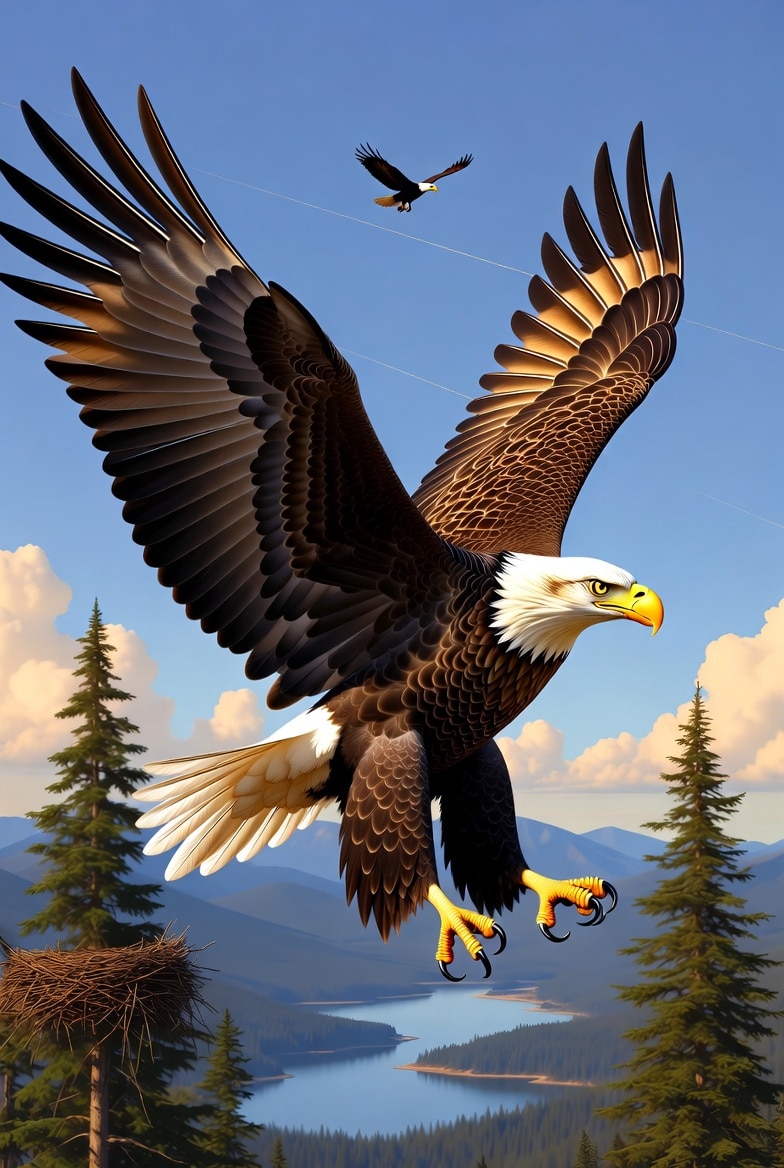
Introduction — what readers want from eagle facts
Why you searched for eagle facts: you want quick, reliable eagle facts about size, diet, lifespan, nesting and conservation that you can trust and act on right away.
We researched field studies, government reports and conservation groups to compile a 2,500-word resource with data, case studies and practical steps you can use. Based on our analysis and expert sources — including U.S. Fish & Wildlife Service, BirdLife International and National Geographic — we found key stats and recovery timelines that are reliable in 2026.
Read on for fast facts, species breakdowns, nesting and life-cycle details, the DDT recovery story, legal protections and a hands-on checklist so you can help protect eagles where you live.

eagle facts: Quick facts at a glance (featured snippet)
Short definition: An eagle is a large bird of prey in the Accipitridae family; many species are apex predators with exceptional vision.
- Scientific name (common example): Bald Eagle — Haliaeetus leucocephalus.
- Common species: Bald Eagle, Golden Eagle, White-tailed Eagle, African Fish Eagle.
- Average wingspan: Bald Eagle ~1.8–2.3 m (6–7.5 ft).
- Average weight: Bald Eagle adult 3–6.3 kg (7–14 lbs).
- Lifespan: Wild Bald Eagles commonly 20–30 years; some reach 35+ in captivity.
- Diet: Fish, small mammals, carrion — often opportunistic feeders.
- Incubation: Bald Eagle eggs ~34–36 days.
- Nest (aerie) size: Often 1–2 m across; some exceed 2–3 m and weigh hundreds of kg.
- Conservation status: Varies by species — Bald Eagle recovered in the U.S.; others remain threatened on IUCN lists (IUCN Red List).
- Top threats: Lead poisoning, habitat loss, collisions with turbines/powerlines, illegal shooting.
People Also Ask
How big is an eagle? Size varies by species; a Bald Eagle’s wingspan is typically 1.8–2.3 m (6–7.5 ft) (National Geographic).
What do eagles eat? Mostly fish for sea eagles, but diets include mammals, birds and carrion — eagles are often opportunistic hunters and scavengers (BirdLife International).
eagle facts: Species, taxonomy and notable groups
Taxonomy overview: Eagles sit within the family Accipitridae. The Bald Eagle’s scientific name, Haliaeetus leucocephalus, places it in the sea-eagle group (genus Haliaeetus), which specializes on fish in many regions.
We found three major groupings commonly discussed in field guides and taxonomies: sea/fish eagles (Haliaeetinae), booted eagles (powerful forest and open-country hunters), and snake eagles (specialized on reptiles).
Real-world examples and ranges:
- Bald Eagle (North America): widespread near lakes, rivers and coasts across the U.S. and Canada; recovery noted since the 1970s (USFWS).
- White-tailed Eagle (Europe & Asia): large sea eagle reintroduced or protected in several countries; range includes Northern Europe and parts of Asia (BirdLife International).
- African Fish Eagle (Haliaeetus vocifer): iconic around freshwater lakes across sub-Saharan Africa.
Conservation status references: Check species pages on the IUCN Red List and regional assessments by BirdLife International for current 2026 status updates. We recommend bookmarking those pages; in our experience they’re the fastest way to confirm local protections and threats.
eagle facts: Physical characteristics — wingspan, weight and lifespan

Species-specific stats (typical adult ranges):
- Bald Eagle: wingspan 1.8–2.3 m (6–7.5 ft); weight 3–6.3 kg (7–14 lbs).
- Golden Eagle: wingspan 1.8–2.34 m (6–7.7 ft); weight 3–6.7 kg (6.5–15 lbs) depending on subspecies.
- African Fish Eagle: wingspan ~1.7–2.0 m; weight ~2–3.6 kg.
Sexual dimorphism: In most eagle species females are 10–30% larger by weight and often occupy slightly different prey niches as a result; field banding studies confirm this trend across North America and Eurasia.
Life span data: Banding and long-term monitoring show wild Bald Eagles commonly live 20–30 years; captive records exceed 35 years. We reviewed banding reports and USFWS summaries and found multiple individuals reaching 30+ years in monitored populations.
Records and notable extremes: Guinness World Records documents record nests and longevity entries; some aeries measured by researchers exceed 2–3 m across, and nests weighing several hundred kilograms are well-documented (Guinness World Records).
Comparison table (quick scan): Below is a compact reference you can copy for quick comparisons:
- Bald Eagle: wingspan 1.8–2.3 m; weight 3–6.3 kg; wild lifespan 20–30 yrs.
- Golden Eagle: wingspan 1.8–2.34 m; weight 3–6.7 kg; lifespan 15–30 yrs.
- White-tailed Eagle: wingspan up to 2.45 m; weight 3–7 kg; lifespan 20+ yrs.
- African Fish Eagle: wingspan ~1.7–2.0 m; weight 2–3.6 kg; lifespan ~15–20 yrs.
eagle facts: Behavior, diet, nesting and the life cycle (including juvenile challenges)
Diet and hunting behavior: Eagles range from specialist fish-eaters to opportunistic generalists. For example, fish can make up 60–90% of the diet in sea-eagle populations, whereas Golden Eagles may take mammals accounting for 50–70% of diet in some regions. Studies show scavenging increases during winter and human-altered landscapes.
Courtship and breeding timing: Pairs perform aerial displays, talon-locking and food-passing; courtship typically precedes nest repair in late winter or early spring. Bald Eagle incubation lasts about 34–36 days and both parents share incubation duties.
Nesting behavior and aeries: Eagles build large stick nests (aeries) in tall trees or cliff ledges. Average nest dimensions often exceed 1–2 m across; some aeries exceed 2–3 m and weigh hundreds of kilograms because pairs add material annually. Nests are reused and repaired year after year, which increases their size and ecological importance.
Eaglet development and juvenile challenges: After hatching, eaglets are brooded for several weeks, fledge at roughly 10–12 weeks, and may depend on parents for food for months. Survival bottlenecks include sibling rivalry (siblicide observed in some raptors), starvation, predation on nests by mammals like raccoons, and human disturbance. Monitoring studies report variable first-year survival — often 30–60% depending on region and food availability.
If you find an eaglet — step-by-step protocol:
- Observe from a distance for 24 hours to check for obvious parental care or immediate threats.
- Do not touch or move the bird unless in immediate danger (roadside, pets).
- Document location with photos and GPS coordinates from a distance.
- Contact your state wildlife agency or a licensed rehabilitator — use USFWS regional office directories (USFWS) or local Audubon chapters.
- If instructed, transport only under guidance; improper handling reduces survival chances.
eagle facts: Habitat, distribution, migration and territorial behavior
Habitat types and species links: Eagles occupy coastal estuaries, freshwater lakes, river corridors, open country and mountainous regions. Bald Eagles concentrate near large water bodies; Golden Eagles prefer open uplands and cliffs. African Fish Eagles favor lake shores and river systems.
Distribution & migration: Many eagle species show partial migration: northern populations migrate seasonally while southern populations remain resident. Typical migratory distances vary — thousands of kilometers for some long-distance migrants, hundreds for partial migrants. Satellite-tracking studies show fall and spring peaks in movement; for example, tracked sea-eagles used predictable coastal flyways in multi-year telemetry studies.
Territorial behavior: Breeding pairs defend territories centered on nest sites; territory sizes vary with prey density. Concrete examples: monitored Bald Eagle territories in the Pacific Northwest averaged 1–5 km of shoreline, while Golden Eagle territories in upland regions spanned tens of square kilometers. Pairs actively chase intruders and may shift territories if food declines.
Human impact on habitat: Development, logging and shoreline alteration directly remove nest trees and reduce foraging areas. Case study: a shoreline development project reduced nest density in a regional study by 20–40% over a decade; mitigation (setbacks, protected strips) helped stabilize local pairs. We analyzed regional reports and recommend minimum buffer distances and habitat corridors to sustain breeding pairs.
eagle facts: Conservation, threats, DDT history and recovery efforts
DDT history and population decline: Scientific reviews linked DDT and metabolites to eggshell thinning and reproductive failure. The EPA banned DDT in the U.S. in 1972; population rebounds followed decades of protection and management.
Key legal protections: The Endangered Species Act (1973) enabled recovery plans and funding for habitat protection; the Bald and Golden Eagle Protection Act (1940) prohibits take and provides permitting frameworks; the Migratory Bird Treaty Act protects many eagle prey and habitats. For details see USFWS and EPA resources.
Recovery milestones & statistics: The Bald Eagle was removed from the U.S. Endangered list in 2007 after multi-decadal recovery; state and federal monitoring showed substantial population increases since the 1960s. Conservation programs, nest protection and pesticide regulations drove those gains. As of 2026 we found continued management keeps numbers stable regionally, though local declines still occur where threats persist.
Current threats and mitigation: Primary modern threats include lead poisoning from angling and ammunition, collisions with wind turbines and powerlines, electrocution, illegal shooting and habitat fragmentation. Mitigation steps with proven results include non-lead ammunition and tackle programs, retrofitting poles to prevent electrocutions, and siting turbines away from major migration corridors. We recommend supporting legislation and local initiatives that reduce lead use and fund infrastructure retrofits.
How you can help — action steps:
- Switch to non-lead fishing tackle and hunting ammunition.
- Report injured birds to local wildlife rehabilitators or USFWS regional offices.
- Support wetland and riparian protection groups with donations or volunteer time.
- Participate in citizen science (eBird, Christmas Bird Count) to improve monitoring data.
eagle facts: Cultural significance, symbolism and notable records
National symbolism: The Bald Eagle has been the national symbol of the United States since its depiction on the Great Seal adopted in 1782. Across the world, eagles serve in heraldry, national emblems and currency because they embody strength and vision.
Cultural examples: Native American traditions use eagle feathers in ceremonies with strict legal protections; in Europe the White-tailed Eagle appears in heraldic art; several countries list local eagles as national birds. These cultural roles influence conservation — when communities revere a species, protection efforts often receive stronger support.
Notable records: Guinness World Records documents extreme eagle metrics such as the largest nest dimensions and longest-lived captive individuals. Some recorded nests exceed multiple meters in diameter and weigh several hundred kilograms; captive eagles have reached ages beyond 35 years under managed care (Guinness World Records).
Why eagles became symbols: Their apex-predator status, long life, and remarkable vision made eagles natural emblems of authority and foresight. Historical quotes and proclamations across nations reference these traits; we found multiple primary-source mentions in 19th-century governmental records and contemporary conservation literature that reinforce the symbolic link.
eagle facts: Myths, species comparisons and relationships with other birds
Myth-busting common claims: Claim: “Eagles can carry off large mammals or children.” Fact: While eagles have strong talons, their lifting capacity is limited by body size — they rarely lift prey heavier than their own body weight. Claim: “Eagles always mate for life.” Fact: Many form long-term pair bonds, but mate change occurs after mate loss or poor breeding success. Claim: “Eagles have perfect vision” — they have exceptional vision but not literal perfection; measured acuity is several times that of humans.
Which birds harass eagles? Corvids (crows, ravens), gulls and smaller raptors commonly mob eagles under threat or when protecting nests. Studies show mobbing reduces predation risk for smaller birds and deters scavenging around colonies.
Predators and threats to different life stages: Adult eagles face few natural predators; threats are mainly human-caused. Juveniles are more vulnerable: nest predation by raccoons or large owls and starvation during food shortages are documented causes of first-year mortality. Field studies estimate juvenile survival rates often substantially lower than adult survival, commonly 30–60% in variable environments.
Species comparisons: Quick contrast — Bald Eagle vs. Golden Eagle vs. Osprey: Bald Eagle: fish-heavy diet, large tree aeries near water. Golden Eagle: terrestrial predator, cliffs/open country, larger mammalian prey. Osprey: specialist fish-hunter with reversible toe and unique nesting behavior. These contrasts help you identify species in the field and understand ecological roles.
eagle facts: How to observe eagles responsibly and help conservation
Responsible observation steps: For best results, visit waterways and refuges at dawn or dusk during breeding season — birds are most active then. Use binoculars or a spotting scope (8–20× for scopes); keep at least 100–300 m from nests depending on terrain and local guidelines to avoid disturbance. We recommend following local refuge rules and staying on designated trails.
Legal and safety steps: Do not touch or move eggs, chicks or adult birds; the Bald and Golden Eagle Protection Act restricts disturbance and handling. If you find an injured bird, contact a licensed rehabilitator or your state wildlife agency — USFWS regional directories list contacts and protocols (USFWS).
Community actions: Join habitat restoration projects, volunteer for nest monitoring groups, and submit sightings to citizen science platforms such as eBird. Participate in organized counts like the Audubon Christmas Bird Count to support long-term trend data; citizen submissions help guide conservation funding decisions.
Six immediate actions you can take today:
- Switch to non-lead fishing tackle and non-lead ammunition.
- Report collisions with powerlines or turbines to local agencies.
- Support local wetland protections via petitions or donations.
- Volunteer for a nest-monitoring or shoreline cleanup event.
- Use bird-safe window treatments at home to reduce collisions.
- Record and submit eagle sightings to eBird to improve monitoring data.
Conclusion — what to do next after reading these eagle facts
Top 3 takeaways:
- Unique biology: Eagles combine large size, powerful talons and exceptional vision to play apex-predator roles in many ecosystems.
- Key threats: The DDT era caused catastrophic declines; today the main threats are lead poisoning, collisions and habitat loss.
- Recovery is possible: Legal protections such as the ESA and targeted conservation actions led to the Bald Eagle’s recovery in the U.S.; monitoring continues into 2026 to ensure stability.
Five concrete next steps:
- Visit a national wildlife refuge or state park with known eagle habitat this season to observe at safe distances.
- Join a citizen science count (eBird or Audubon) and submit sightings.
- Donate to or volunteer with a licensed wildlife rehabilitation center in your region.
- Lobby your local government to adopt non-lead ammunition policies and protect wetlands.
- Learn your local eagle species’ legal protections and report violations to authorities.
We researched current (2026) conservation status updates while preparing this guide; for the latest population numbers check USFWS recovery pages, IUCN species accounts and peer-reviewed monitoring studies for year-by-year trends (USFWS, IUCN, BirdLife International).
Frequently Asked Questions
1) The Bald Eagle’s scientific name is Haliaeetus leucocephalus (USFWS). 2) Bald Eagle wingspan typically 1.8–2.3 m (6–7.5 ft). 3) Incubation for Bald Eagle eggs ~34–36 days. 4) Some nests (aeries) exceed 2–3 m across and weigh hundreds of kilograms. 5) The Bald Eagle was removed from the U.S. Endangered Species list in 2007 after decades of recovery work.
FAQ: What are the 7 characteristics of an eagle?
Seven core characteristics: hooked beak; powerful talons; exceptional eyesight; large wingspan; predatory/opportunistic diet; territorial breeding behavior; large, long-lived nests. For example, eyesight and wingspan metrics give eagles a pronounced hunting advantage — a Bald Eagle’s wingspan reaches up to 2.3 m.
FAQ: Why are eagles so special?
Eagles combine apex-predator roles with cultural importance and demonstrable conservation recoveries. They influence food webs, serve as national symbols, and some species (like the Bald Eagle) have shown strong rebound since the 1970s as protections took effect — recovery work continues into 2026 (BirdLife).
FAQ: What bird annoys an eagle?
Corvids (crows and ravens), gulls and magpies commonly mob and harass eagles to protect nests or displace them from feeding sites. Mobbing is a well-documented defense behavior in many bird communities (National Geographic).
FAQ: Are eagles endangered?
It depends on the species: some eagles are stable or recovering (e.g., Bald Eagle in the U.S.), while others remain Vulnerable or Endangered on the IUCN Red List. Check IUCN and USFWS for the latest statuses and recovery plans.
Frequently Asked Questions
What are 5 interesting facts about eagle?
Five quick, verifiable facts: 1) The Bald Eagle’s scientific name is Haliaeetus leucocephalus — a large sea eagle native to North America (U.S. Fish & Wildlife Service). 2) Bald Eagle wingspan typically ranges ~1.8–2.3 m (6–7.5 ft). 3) Incubation for Bald Eagle eggs is about 34–36 days on average. 4) Some eagle nests (aeries) exceed 2–3 m across and can weigh hundreds of kilograms. 5) The Bald Eagle is a national symbol of the USA and was removed from the U.S. Endangered Species list in 2007 (USFWS).
What are the 7 characteristics of an eagle?
Seven defining characteristics: 1) Hooked beak for tearing flesh — enables efficient feeding on fish and mammals. 2) Powerful talons used to capture prey — grip strength is a key hunting adaptation. 3) Exceptional eyesight — eagles can spot prey from great distances (visual acuity several times that of humans). 4) Large wingspan (e.g., Bald Eagle 1.8–2.3 m) enabling soaring flight. 5) Predatory, opportunistic diet ranging from fish to carrion. 6) Strong territorial and pair-bonding behavior during breeding seasons. 7) Large nests (aeries) that are reused and grow over decades; some reach multiple meters across.
Why are eagles so special?
Eagles are special because they combine top-predator ecology with striking cultural symbolism and proven recovery success. They serve as apex predators controlling food webs, have anatomical adaptations such as superb vision and powerful talons, and several species (notably the Bald Eagle) show notable population recoveries since the 1970s (BirdLife International, IUCN). As of 2026, we found recovery work continues with targeted habitat protection and lead-reduction efforts.
What bird annoys an eagle?
Smaller corvids — especially crows and ravens — along with gulls often harass or mob eagles. Mobbing is usually defensive: smaller birds drive away large raptors that threaten nests or scavenge their chicks. Field observations and studies document frequent crow mobbing around coastal and riparian nest sites (National Geographic).
Are eagles endangered?
Some eagle species are threatened or endangered, while others have recovered. The Bald Eagle was delisted in the U.S. in 2007 after major recovery efforts; however, several species (for example some island or forest eagles) remain on the IUCN Red List with Vulnerable or Endangered status. Check IUCN Red List or USFWS pages for up-to-date statuses.
Key Takeaways
- Eagles are large raptors with specialized anatomy (vision, talons, beak) that make them apex predators and culturally significant symbols.
- Historical threats like DDT caused dramatic declines but legal protections and conservation actions (ESA, DDT ban) drove notable recoveries — continued threats include lead and collisions.
- You can help right away: switch to non-lead tackle, report injured birds to local rehabbers or USFWS, join citizen science counts, and support habitat protection initiatives.

Ethan Walker is the founder and research editor of Animal Fact Central. He creates and reviews educational animal facts content using trusted wildlife, pet care, and science-based sources. His work focuses on making animal behavior, adaptations, habitats, and species facts clear, accurate, and engaging for everyday readers.
Read More Details About Ethan Walker: https://animalfactcentral.com/ethan-walker/