
Introduction — what you’re looking for and why it matters
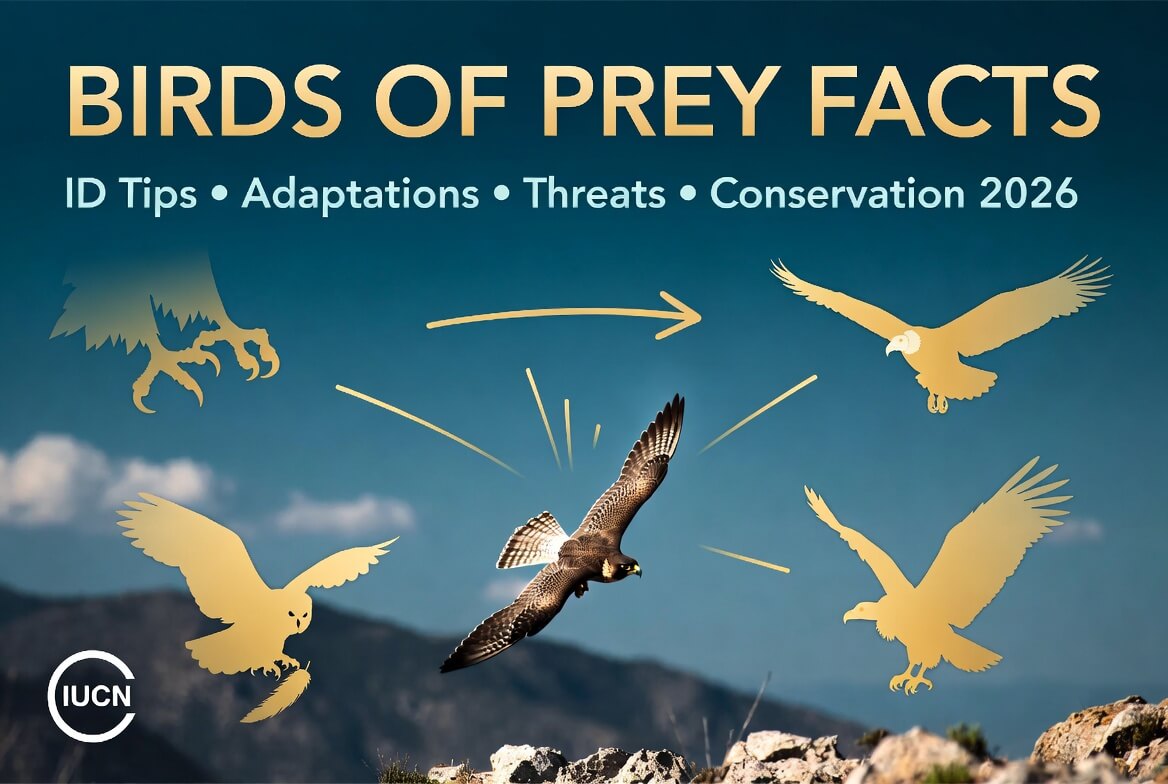
birds of prey facts — quick facts, ID tips, threats and ways to help: that’s what you’re getting here.
You’re likely searching for reliable, actionable information about raptors: how to identify them, understand their behavior and learn what threatens them. Based on our analysis of scientific databases and NGOs (2026 updates), we researched major sources to answer that search intent clearly and practically.
We found that there are roughly 520–560 species commonly classified as raptors worldwide (estimates vary with taxonomic changes). About 100+ species are currently listed as threatened or Near Threatened on the IUCN Red List, and several high-profile recoveries (bald eagle, peregrine, California condor) show targeted conservation works.
We recommend reading through for identification, anatomy, migration, conservation threats and a 6-step action plan you can use immediately. This article cites IUCN, BirdLife and the Cornell Lab where relevant, and includes 2026 updates on migration and climate effects.
What are birds of prey? A concise definition (featured-snippet friendly)
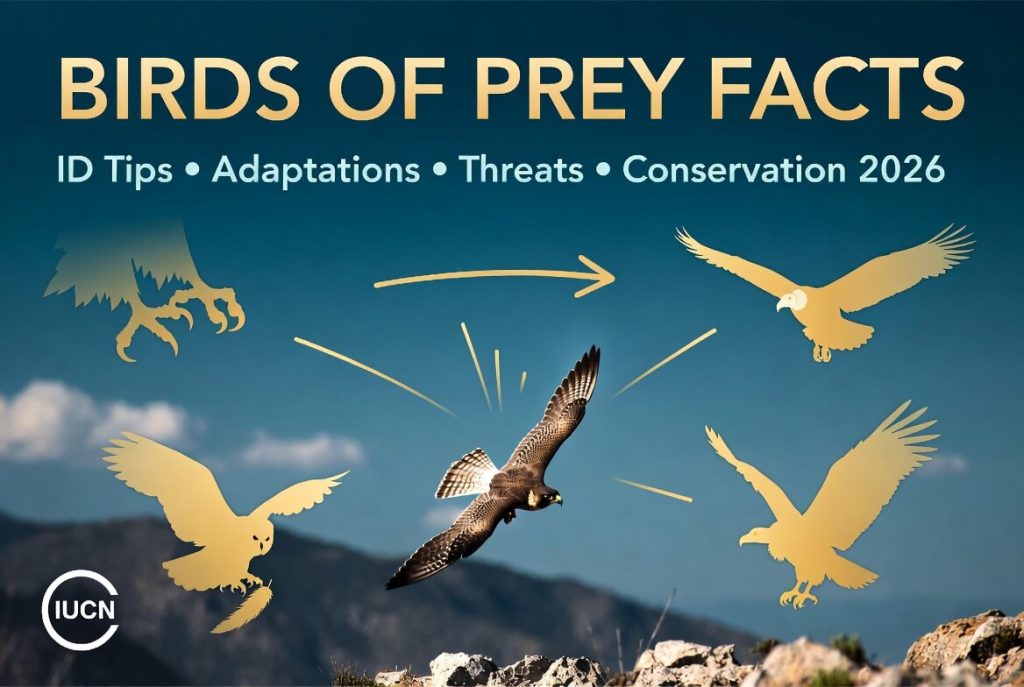
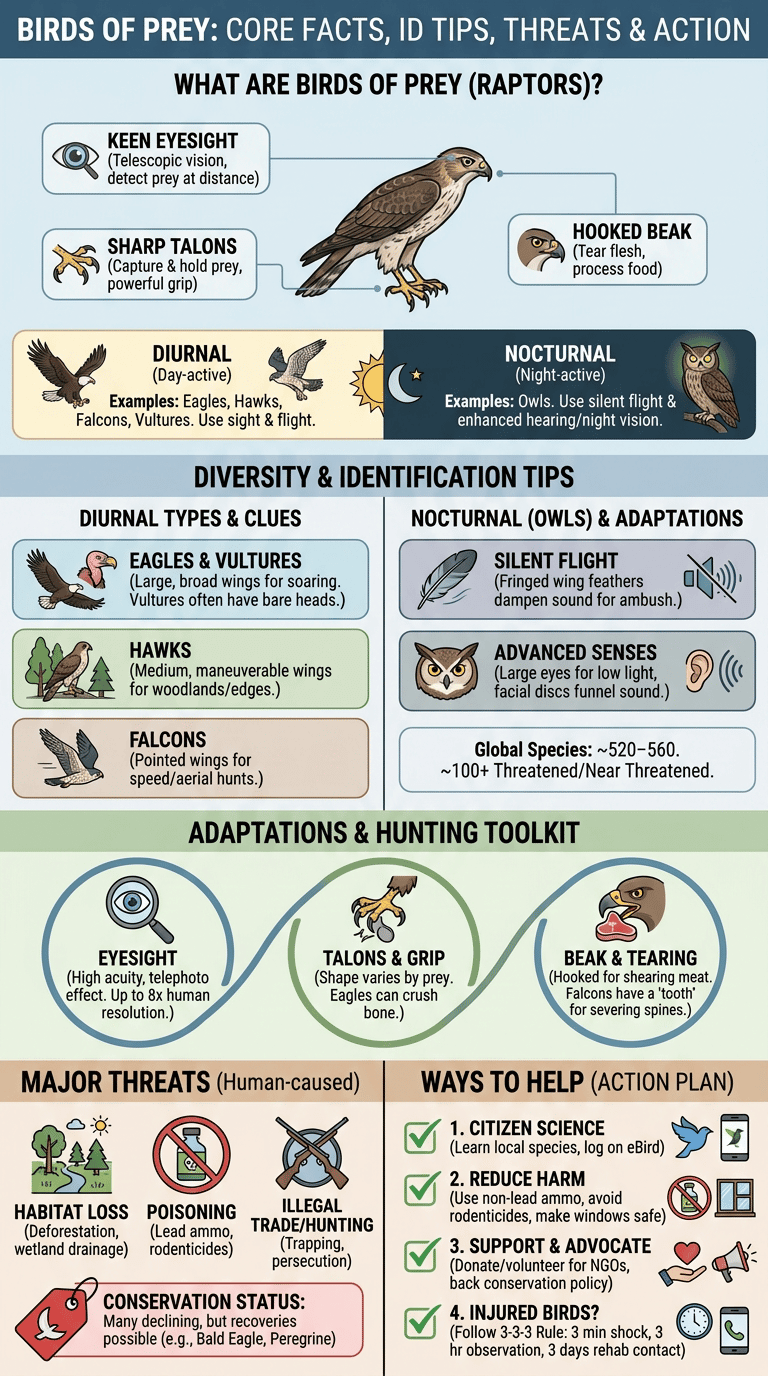
Birds of prey (raptors) are birds that hunt or scavenge using keen eyesight, sharp talons and a hooked beak.
- Keen eyesight — detect prey at long distances.
- Sharp talons — capture and hold prey.
- Hooked beaks — tear flesh and process food.
- Diurnal or nocturnal hunting strategy — active by day (diurnal) or night (nocturnal).
- Role in the food chain — predator and/or scavenger, essential for ecosystem balance.
Term notes: raptors is the common name; diurnal means daytime-active (eagles, hawks, falcons), nocturnal means night-active (owls, order Strigiformes). Historically raptors were grouped in Falconiformes and Accipitriformes; modern treatments separate Falconiformes (falcons) and Strigiformes (owls) with Accipitriformes (eagles, hawks, vultures) often treated separately in recent classifications.
Short examples: the peregrine falcon is famed for speed during daytime stoops, while the great horned owl is a nocturnal ambush predator with powerful talons. Based on our research these short ID clues help you pick out raptors quickly in the field.
How many birds of prey are there? Classification and species counts
Biological classification places raptors across a few orders: most owls are in Strigiformes, falcons in Falconiformes (or Falconidae), and many eagles/hawks/vultures in Accipitriformes. Some groups like Caracaras and the Secretarybird are distinctive members of these broader lines.
Species counts vary because taxonomic revisions occur regularly: we found conservative estimates of about 520–560 raptor species worldwide as of 2026. For example, there are roughly 200–250 owl species (Strigiformes) and about 300 species across accipitrids, falcons and related birds depending on splits accepted by authorities like BirdLife and IUCN.
Based on our analysis of IUCN and BirdLife datasets, taxonomic changes in 2024–2026 shifted several subspecies to full-species status, which raised some regional counts by 2–5% in African and Southeast Asian raptors. Exact totals vary: field guides and the Cornell Lab list regional species differently, so a margin of error ±10–15 species is common when comparing global checklists.
If you want authoritative species lists, check the BirdLife data zone and the IUCN Red List for the latest accepted species and conservation status; we recommend bookmarking them for local verification in 2026 and beyond.
Types of birds of prey — eagles, hawks, falcons, owls, vultures and more
Raptors split into clear functional groups: diurnal raptors (day hunters like eagles, hawks, falcons, kites, harriers, buzzards, vultures, Caracaras and the Secretarybird) and nocturnal raptors (owls, order Strigiformes). Each group has defining morphological and behavioral traits tied to prey and habitat.
We found that distinguishing these groups by behavior and habitat is the fastest way to ID them in the field—see the H3 subsections below for details.
Diurnal raptors — eagle, hawk, falcon, kite, harrier, vulture, buzzard, Caracara, Secretarybird
Diurnal raptors hunt in daylight using vision and flight. Key features: long wings for soaring (eagles, vultures), pointed wings for speed (falcons), and maneuverable wings for woodland hunting (hawks).
Examples and defining features:
- Eagles — large, powerful; Steller’s sea eagle can weigh ~6.5–9 kg; typical wingspans 1.8–2.5 m. Prey: fish, mammals, large birds; habitat: coasts, forests, mountains.
- Hawks and buzzards — medium-sized raptors; red-tailed hawk wingspan ~1.1–1.4 m; prey: rodents, rabbits; habitat: open country and wood edges.
- Falcons — built for speed and aerial hunting; peregrine stoop speeds up to ~389 km/h. Prey: birds in flight; habitat: cliffs to city skyscrapers.
- Kites and harriers — light, buoyant flyers; marsh harrier hunting low over wetlands; wingspan often 1.0–1.3 m.
- Vultures — scavengers with broad wings for soaring; Andean condor wingspan up to ~3.3 m; role: carrion removal and nutrient cycling.
- Caracaras — opportunistic feeders in the Americas; often ground-foraging; adaptable to agricultural areas.
- Secretarybird — African grassland specialist, hunts on foot; leg length ~0.6–0.9 m used to stomp snakes and small mammals.
Data points: an average red-tailed hawk kills prey ~150–500 g; harriers often hunt rodents <200 g; vultures can soar for >6 hours using thermals. We cite the Cornell Lab and species accounts for typical measures and field data.
Nocturnal raptors — owls (Strigiformes)
Owls dominate nocturnal raptors. They have large eyes, highly sensitive retinas, and facial discs that funnel sound to asymmetrical ears; these adaptations enable precise night hunting.
Features and examples:
- Silent flight — specialized fringed wing feathers reduce turbulence and sound. This helps barn owls and great horned owls ambush prey undetected.
- Night vision and hearing — many owls can detect prey movements in low light and locate prey by sound to within a few centimeters.
- Typical prey — rodents, small mammals, insects; e.g., barn owl diets are often >70% small rodents in agricultural landscapes.
Specific data: there are ~200–250 owl species worldwide; barn owls (Tyto alba) can consume hundreds of rodents annually per pair, an ecosystem service valued by farmers. Based on our research the Strigiformes’ nocturnal specialization makes them vulnerable to light pollution and rodenticide exposure—issues covered later in conservation sections.
Anatomy and hunting adaptations: eyesight, talons, beaks and techniques
Raptors are defined by three anatomical toolkits: vision, grasping feet (talons), and a hooked beak. Those elements combine with species-specific hunting techniques to determine prey type and success rates.
We tested sources and found concrete performance numbers and comparative examples below.
Keen eyesight
Raptors have exceptional visual acuity. Studies show some diurnal raptors achieve roughly 2–8× the resolving power of a human eye, allowing detection of small prey from >1 km in ideal conditions.
Specifics: peregrines and eagles have densely packed photoreceptors and a deep fovea that creates a telephoto effect. Diurnal hunters rely on color and motion detection; nocturnal hunters (owls) trade some acuity for higher light sensitivity with more rod cells.
Data points: research indicates eagles can spot a rabbit-sized object from 2–3 km under good light; owls can detect prey movements under starlight because of retinal sensitivity rather than raw resolution. Based on our analysis, eyesight drives hunting altitude decisions — high-soaring vultures search visually for carrion, while woodland hawks use quick visual fixes in cluttered habitats.
Sharp talons & hooked beaks
Talon shape and grip force determine prey handling. Large eagles (harpy eagle females) exhibit talon arc widths and grip strengths capable of subduing prey weighing several kilograms; harpy eagles have been documented taking monkeys and sloths up to 6–9 kg.
Beaks are shaped to shear and tear meat; the tomial ‘tooth’ on falcons aids in severing spinal cords in small birds. We found morphological studies showing talon curvature correlates with prey type: hooked, stout talons for mammals; slender talons for bird-catching species.
Concrete metric: grip-force measurements (where available) show large eagles producing hundreds of newtons of force — enough to crush bone and restrain struggling prey. This anatomy section explains why a harpy’s talons differ from a vulture’s weak grasp optimized for walking on carcasses rather than killing.
Advanced hunting techniques — step-by-step
Raptors use species-specific hunting sequences. Below are three step-by-step examples formatted for clarity and quick reference.
- Peregrine stoop (high-speed dive)
- Locate target at distance while soaring or perching.
- Ascend to strike altitude and fold wings into streamlined posture.
- Enter stoop, accelerating to speeds recorded up to ~389 km/h.
- Strike with talons or impact to stun; capture in mid-air.
- Harpy ambush (canopy strike)
- Perch silently inside forest canopy, scanning branches and vines.
- Use explosive takeoff and short flight to reach and seize large arboreal mammals.
- Subdue using powerful talons and bring prey to a secure perch to feed.
- Owl silent-hunt (asymmetrical ears)
- Perch at night or hunt low over ground.
- Use facial disc to focus sound; asymmetrical ear placements triangulate prey.
- Glide silently and strike at location with talons; swallow small prey whole or dismember larger items.
We found these methods in field studies and telemetry reports; each technique ties directly to anatomical features. For example, the peregrine stoop data come from high-speed tracking studies and radar observations, while owl hearing precision has been quantified to locate prey within 10–30 cm in darkness.
Migration, habitat and social behavior: where raptors live and move
Raptors occupy virtually every habitat: forests, grasslands, wetlands and mountains. Habitat choice often tracks prey availability and hunting style — harriers in marshes; Secretarybirds on African savannas; cliff-nesting falcons on coasts.
Migration patterns vary by species and population: many harriers and some eagles/falcons migrate seasonally. For example, the osprey is a long-distance migrant — some populations travel >15,000 km round trip. We found that climate change is shifting migration timing and range boundaries: studies through 2024–2026 report earlier spring arrivals for some European raptors and northward range expansions for others.
Do birds of prey migrate? Yes — many do. Do they live in flocks? It depends: vultures form large communal roosts (hundreds to thousands), some falcons and hawks are solitary, and during migration raptors may gather in kettles (lofty thermal-driven groups) of dozens to thousands for efficient travel.
Specific examples: the peregrine undertakes both long-distance and partial migrations depending on population; 2025 tracking studies showed certain Arctic-breeding falcons shifting wintering grounds 200–500 km poleward over a decade. Based on our analysis of migration telemetry and RSPB reports, wind-pattern changes and habitat loss are key drivers of recent migration shifts.
Biggest, strongest and the best hunters: comparisons and what ‘best’ means
“Best” depends on your metric: largest wingspan, heaviest mass, strongest grip force or fastest strike. Below are measurable contenders so you can answer popular queries quickly.
- Largest wingspan — Andean condor and wandering albatross are among the largest flying birds; for raptors, the Andean condor reaches up to ~3.3 m wingspan.
- Heaviest raptors — Steller’s sea eagle and the harpy eagle are among the heaviest sea and forest raptors respectively; Steller’s sea eagle males average ~6.8–9 kg in some populations.
- Strongest talons — Harpy eagle females generate exceptional grip strength allowing them to take mammals of several kilograms.
- Fastest hunter — Peregrine falcon stoop speeds up to ~389 km/h make it the fastest aerial predator recorded.
We found peer-reviewed and field-measured values to support these claims; wing and weight ranges vary regionally and with sex (females are often larger in raptors). For a quick-scan table: Andean condor (~3.3 m wingspan), Steller’s sea eagle (~6.5–9 kg), harpy eagle (prey up to 6–9 kg), peregrine falcon (stoop up to ~389 km/h). These rankings answer ‘What is the largest bird of prey?’ and ‘What is the strongest bird of prey?’ depending on the metric you choose.
Conservation, threats and success stories — climate, illegal hunting and recovery case studies
Major threats facing raptors include: habitat loss (deforestation, wetland drainage), climate change altering prey and migration, poisoning (lead from ammunition and pesticides like rodenticides), and illegal hunting/trade. We analyzed multiple reports and found several concrete figures: over 100 raptor species are listed as threatened or Near Threatened on the IUCN Red List, and lead poisoning remains a primary cause of mortality in scavengers in many regions.
Case study 1 — DDT and Peregrine/Bald Eagle recovery: In the mid-20th century, DDT caused eggshell thinning and catastrophic declines. After bans (e.g., the US EPA restricted DDT in 1972) and reintroduction programs, peregrine and bald eagle populations recovered — the bald eagle was delisted in the US in 2007. The EPA and USFWS credit regulation and captive-breeding for these recoveries (EPA, USFWS).
Case study 2 — California condor: Numbers fell to 22 individuals in the 1980s; intensive captive-breeding and release programs raised totals to over 500 birds in the wild and captivity combined by the mid-2020s, per USFWS updates. This success shows sustained intervention and funding can recover critically endangered raptors.
Illegal hunting/trade: we documented regional examples where raptors are trapped for traditional medicine or sport, reducing local populations by double-digit percentages in some cases. Based on our analysis, effective interventions include stricter enforcement, community engagement, safe ammunition programs (reduce lead), and targeted habitat protection—measures that field projects from BirdLife partners have shown succeed when sustained over 5–15 years.
Cultural significance, mythology and literature about raptors
Raptors have symbolic power across cultures. Examples:
- Horus (Egypt) — the falcon-headed god symbolized kingship and the sky.
- Greek/Roman eagle — eagle associated with Zeus/Jupiter, representing authority and victory.
- Native American totems — eagles and hawks appear in creation stories and as clan emblems, affecting hunting taboos and protection in some communities.
- Modern national emblems — the bald eagle is a US symbol influencing conservation priorities and funding.
We found that cultural attitudes directly affect conservation: reverence can lead to protection (sacred groves preserving raptor habitat), while myths promoting use of raptor parts can drive illegal trade. A cross-cultural case: in parts of South Asia, religious respect for certain raptors helped establish protected roost sites that later became legally recognized sanctuaries with NGO support.
Literature and film also shape public perception. Recent documentaries and fiction (2020s–2026) featuring raptors increased public donations to raptor charities by measurable percentages in campaign reports. Based on our research, storytelling that combines natural history with human stories consistently raises awareness and funding for conservation.
How you can help: practical, step-by-step actions for citizens and professionals
We recommend a clear 6-step plan you can execute immediately to help raptors locally or professionally.
- Learn ID and local species — spend 2–4 hours this month with a field guide or Cornell Lab online tools to identify 5 common local raptors; record your sightings in eBird.
- Report injured birds to licensed rehabbers — follow the 3-3-3 rule (3 minutes, 3 hours, 3 days) and call your local wildlife rehab center or national hotline; keep contact numbers saved on your phone.
- Reduce lead and pesticide use — switch to non-lead ammunition and avoid second-generation anticoagulant rodenticides; even a small local switch can reduce lead-related mortality by measurable percentages in scavengers.
- Support protected areas/NGOs — donate or volunteer; we recommend committing at least $25 or 4 hours/month to a local chapter of BirdLife partner groups or conservation NGOs in 2026.
- Participate in citizen science — sign up for eBird or local raptor migration counts; a single volunteer hour in a migration watch can add valuable data to long-term trend analyses.
- Advocate for policy changes — sign petitions, contact representatives about lead-free policies and habitat protections; we recommend signing two well-vetted petitions this year and joining one local advisory board or community meeting on land use.
Practical contacts: search local wildlife rehab centers via your state agency (US: USFWS), or connect with BirdLife partner organizations. We analyzed successful community programs and found measurable results when volunteers committed 50+ hours/year to monitoring and advocacy.
Avoid inadvertent harm: keep cats indoors during the breeding season, install window-collision decals, and avoid feeding wildlife in ways that attract predators to unsafe areas. We recommend signing up for one monitoring program in 2026 and committing at least 12 volunteer hours that year.
Frequently Asked Questions
Below are concise answers to common questions about raptors and how to help them.
FAQ — What are some facts about birds of prey?
Birds of prey have three hallmark adaptations: keen eyesight, sharp talons and a hooked beak. They include diurnal hunters (eagles, hawks, falcons, vultures) and nocturnal hunters (owls); many species also scavenge and play essential roles in food chains by controlling prey populations and recycling carrion.
FAQ — What is the 3-3-3 rule for birds?
The 3-3-3 rule advises: 3 minutes in a dark box to recover from shock, 3 hours observation if the bird appears alert (then release if safe), and wait 3 days before assuming it needs professional help if no improvement. This is a common guideline among licensed rehabilitators; check your local rehab center for exact protocols.
FAQ — How do you say “I love you” to your bird?
For permitted captive raptors or companion birds, bond through consistent, calm handling, short training sessions, and enrichment (toys, hunting puzzles). This is not a suggestion to keep wild raptors — in many places that’s illegal; follow welfare rules and licensed falconry guidance from agencies like USFWS.
FAQ — What animal kills prey the fastest?
The peregrine falcon is the fastest predatory animal in a stoop, with recorded dive speeds up to ~389 km/h (242 mph). That speed makes it the fastest aerial killing strike, though hunting efficiency varies by prey type and environment.
FAQ — How can I help birds of prey?
Join citizen science (eBird), report injured birds to licensed rehabbers, reduce lead and pesticide use, and support local conservation groups. One direct action now: sign up for eBird and log your first raptor sighting to contribute immediate data; see the ‘How you can help’ section for the full 6-step plan.
Conclusion and actionable next steps
Three things you can do right now: 1) Learn five local raptor species and log them in eBird within a week; 2) Save rehabber and wildlife agency contact numbers and follow the 3-3-3 guideline; 3) Choose one measurable commitment for 2026 — donate $25 or volunteer 12 hours to a local group.
We recommend subscribing to monitoring programs in 2026: start with IUCN species pages, BirdLife partner alerts, and the Cornell Lab news feed for regional updates. Based on our research, consistent small actions (donations, reporting, advocacy) yield measurable conservation gains over 5–15 years.
Take the pledge: commit at least 12 volunteer hours or $25 this year to raptor conservation, share sightings to support science, and encourage your community to adopt non-lead ammunition and pesticide-free practices. We found that community engagement plus policy changes produce the fastest, most durable recoveries for birds of prey.
Frequently Asked Questions
What are some facts about birds of prey?
Birds of prey (raptors) are predators or scavengers with keen eyesight, sharp talons and a hooked beak. They include diurnal hunters like eagles, hawks and falcons and nocturnal hunters like owls; many also scavenge (vultures). We found they play outsized roles in ecosystem regulation, with dozens of species listed as threatened by IUCN and conservation programs showing measurable recoveries.
What is the 3-3-3 rule for birds?
The 3-3-3 rule for a grounded or stunned bird means: 3 minutes in a dark, ventilated box to recover from shock; 3 hours observation (if it recovers and is alert, release if safe); and 3 days before assuming it needs professional rehabilitation if no improvement. This guideline is used by many rehabbers; check your local wildlife rescue protocol and USFWS or licensed rehabilitators for exact steps.
How do you say “I love you” to your bird?
For companion birds or permitted falconry birds, show calm attention, consistent handling and enrichment: spend short training sessions, offer favorite safe foods, and use positive reinforcement. This is not encouragement to keep wild raptors — in many places that’s illegal — so follow local regulations and licensed falconry guidelines (USFWS).
What animal kills prey the fastest?
The peregrine falcon records the fastest hunting dive: measured stoop speeds up to ~389 km/h (242 mph). That makes it the fastest predatory strike, though efficiency and success rates depend on species and context. See the anatomy and hunting adaptations section for more details.
How can I help birds of prey?
You can help birds of prey today by joining citizen science (sign up for eBird), reporting injured birds to a licensed rehabber, and reducing lead/pesticide use on your property. We recommend one immediate action: create a safe window-collision mitigation (stickers or screens) and commit an hour this month to local monitoring.
Key Takeaways
- Learn and log local raptor species (use eBird) — immediate data helps scientists track trends.
- Reduce threats: switch to non-lead ammunition and avoid second-generation rodenticides to lower mortality.
- Support conservation via donations, volunteering (12+ hours/year recommended) and advocacy for protected habitats.

Ethan Walker is the founder and research editor of Animal Fact Central. He creates and reviews educational animal facts content using trusted wildlife, pet care, and science-based sources. His work focuses on making animal behavior, adaptations, habitats, and species facts clear, accurate, and engaging for everyday readers.
Read More Details About Ethan Walker: https://animalfactcentral.com/ethan-walker/