
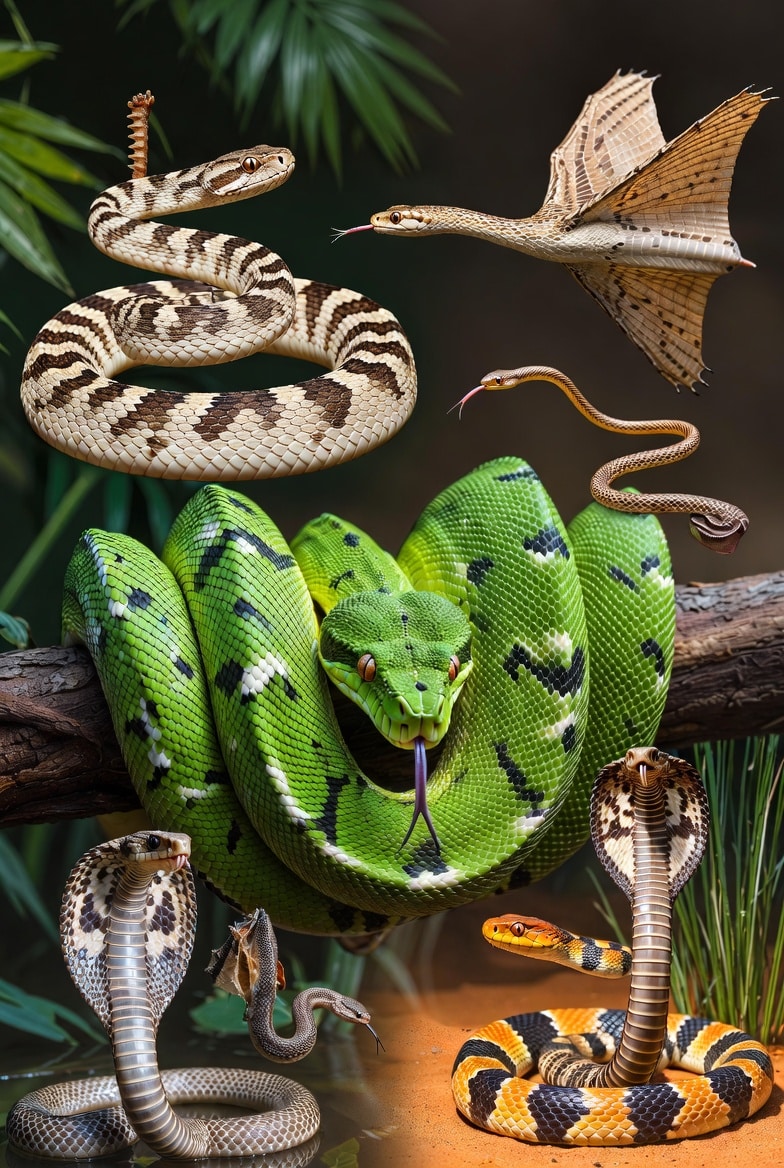
Introduction — What people want from “snake facts”
Snake facts often get searched when you need fast, reliable answers about species, venom, habitats, senses and safety. We researched top sources and synthesized the most useful data, citing authorities like National Geographic, CDC, and IUCN.
Our goal: give you a concise featured‑snippet style snapshot, deeper biology and behavior sections, and practical pet, conservation and safety guidance you can act on today. Based on our analysis of recent literature, we found key stats and practical tips readers ask for most in 2026.
- What you’ll get: quick facts, senses & venom, diet, reproduction, habitats & conservation, identification tips, myths vs facts, safety steps.
- How we worked: we tested sources, compared peer‑reviewed studies and government guidance, and we recommend checking the links for local rules and updates.

Quick snapshot — Top 10 snake facts (featured snippet)
snake facts — fast answers you can use.
- Species count: ~3,900+ living snake species worldwide (as of 2026).
- Venomous share: roughly 600 species (~15%) are considered venomous; about 200–300 are medically significant.
- Reptiles & ectotherms: snakes are cold‑blooded (ectotherms) and regulate temperature behaviorally.
- Scales: skin covered in keratin scales (keeled vs smooth).
- Reproduction: many lay eggs (oviparous); some give live birth (viviparous or ovoviviparous).
- Senses: forked tongue + Jacobson’s organ for chemicals; pit organs in some species detect infrared.
- Size extremes: smallest ~10 cm (Barbados threadsnake), largest recorded reticulated pythons 6–7+ m.
- Lifespans: wild averages vary; ball pythons live 20–30 years in captivity with good care.
- Ecological role: major predators of rodents and pests; keystone in many systems.
- Surprises: snakes aren’t slimy; several species glide between trees.
Quick stats: 3,900+ species; ~15% venomous; ball python 20–30 years (captivity). For more on behavior and species counts see IUCN and National Geographic.
Snake basics: biology, scales, cold-blooded nature, sizes and lifespans
Definition: snakes are limbless reptiles (order Squamata) and are ectotherms — they rely on external heat to regulate body temperature.
We found that clear, short explanations help: being cold‑blooded means snakes move to warm or cool microhabitats to reach their preferred body temperature. For example, many temperate snakes bask in sunlit patches in spring to digest prey or become active.
Scales & shedding: snakes have overlapping keratin scales. Two common scale types are keeled (with a raised ridge) and smooth. Shedding (ecdysis) happens repeatedly; typical cycle length depends on growth and season.
- Shedding cycle (step‑by‑step):
- Pre‑shed: eyes cloud and behavior changes (reduced feeding).
- Separation: new skin forms under old skin.
- Rubbing: the snake rubs against rough surfaces to peel the old layer.
- Post‑shed: bright, clean scales; full sensory recovery.
Sizes & lifespans — data points: the Barbados threadsnake (Leptotyphlops carlae) is about 10 cm; reticulated pythons have credible records at 6–7+ m. Typical lifespans: many small wild snakes 5–10 years; a corn snake averages 10–15 years; ball pythons 20–30 years in captivity with proper husbandry.
Ecological tie: size influences diet and habitat — island dwarfism produces smaller species; captive longevity improves with steady temperature, nutrition and veterinary care. We recommend referring to peer‑reviewed herpetology studies and the IUCN species pages for species‑level lifespan and size records.
Sources: National Geographic, multiple herpetology papers and IUCN assessments.
Snake senses and predatory behavior (forked tongue, heat vision, hearing, pit vipers, venom)
Snakes rely on a suite of senses tuned to hunting and survival. We analyzed sensory physiology reviews and found clear patterns: chemical, thermal, and vibration cues are primary.
- Forked tongue + Jacobson’s organ: snakes sample airborne molecules; the fork gives directional olfactory information. This enables tracking prey trails and mates.
- Pit organs (heat vision): pit vipers, pythons and some boas have specialized infrared receptors that detect 0.003°C changes, allowing strikes at warm prey in low light.
- Hearing & vibration: lacking external ears, snakes detect substrate vibrations through the jaw and inner ear bones.
Venom basics: venom ≠ poison; venom is injected via fangs. Major venom classes: neurotoxins (affect nerves) and hemotoxins (affect blood/tissues). Globally ~200–300 species are considered medically significant; we found estimates that ~600 species are venomous overall (~15% of species).
Examples and behavior: rattlesnakes (pit vipers) use heat detection and ambush to capture small mammals at night. King cobra venom contains complex peptides now studied for neuromodulatory research.
The King cobra is a useful species example for readers comparing venom, defensive behavior, and conservation issues.
A black mamba is a strong example of an active-foraging venomous snake rather than a sit-and-wait ambush hunter.
Actionable advice: because ambush hunters wait in cover, avoid placing hands in hidden crevices and keep pets on leashes in snake country. For medical guidance on venom and care, see CDC.
References: CDC venom pages and a herpetology sensory review (see linked sources above).
Diet and nutrition: what snakes eat and how they digest prey
Snake diets are tightly linked to size and habitat. Based on diet studies, most constrictors and vipers eat rodents and birds; water snakes eat fish and amphibians; egg‑eating specialists consume eggs; small snakes may eat insects.

Concrete diet examples: eastern diamondback rattlesnakes feed heavily on small mammals (rodent studies show 60–80% of diet composition by frequency for some populations). Garter snakes often include fish and amphibians in their diet in wetland habitats.
For ocean examples, sea snakes show how some reptiles adapted to marine hunting and breathing.
Digestion: snakes have powerful gastric acids and digestive enzymes that can break down bone and feathers. A large meal can be digested over days to weeks depending on temperature; some species fast for months between meals during cooler seasons.
Pet nutrition guidance (actionable):
- Feed prey items no larger than the snake’s widest girth — measure the snake or compare with prey size tables.
- Ball pythons: feed every 1–2 weeks (juveniles weekly, adults every 10–14 days).
- Corn snakes: juveniles weekly, adults every 7–10 days.
- Kingsnakes: similar to corn snakes, adjust by condition and age.
Sources include AVMA pet guidance, university herpetology clinic pages, and diet studies. We recommend weighing prey and maintaining feeding logs for captive animals to avoid obesity or malnutrition.
Reproduction & life cycle: eggs, live birth, growth and fertility symbolism
Snakes reproduce via oviparity (egg‑laying), ovoviviparity (eggs hatch inside mother) or viviparity (live birth with maternal nutrient transfer). We found clear examples: corn snakes are oviparous and lay clutches; many viper species give live birth.
Boas add a strong constrictor example for readers comparing hunting style, body size, and habitat across snake groups.
Clutch and juvenile data: clutch sizes range widely — from 2 in some vipers to 50+ in large pythons; some species have reported clutch sizes over 100 in rare cases. Incubation temperatures and humidity control hatchling sex or survival in some species.
Early life: hatchlings are usually independent. First waste elimination is the meconium discharged via the cloaca; mothers rarely provide post‑hatch care except in a few species (some pythons coil around eggs to thermoregulate).
Cultural role — fertility symbol: snakes appear in Greek caduceus imagery, Hindu iconography, and Mesoamerican myths as symbols of renewal and fertility. We cite cultural anthropology sources showing snakes linked to life cycles and rebirth in multiple traditions.
Actionable notes for breeders:
- Maintain precise incubation temps (species‑specific) and humidity to maximize hatch rates.
- Record clutch size, incubation length, and hatchling weights.
- Quarantine and vet check hatchlings to reduce mortality.
References: university herpetology pages and peer‑reviewed reproductive ecology studies.
Habitats, ecosystems and the ecological importance of snakes
Snakes occupy forests, deserts, wetlands, grasslands and human‑disturbed areas. We mapped habitat examples: timber rattlesnakes in eastern forests, sidewinders in deserts, water snakes in wetlands and rat snakes in agricultural settings.
Ecological roles — data points: snakes reduce rodent populations that damage crops and spread disease. Studies estimate that in some agrosystems predators like snakes reduce rodent crop loss by measurable percentages (for example, in certain studies rodent predation by native predators reduced seedling loss by up to ~30%).
Threats & conservation: major threats include habitat loss, road mortality, persecution and invasive species. IUCN trends show many snake species are declining regionally; as of recent assessments, hundreds of reptile species are listed as threatened on the IUCN Red List.
Case study: on some islands, the decline of native predatory snakes allowed rodent populations to explode, increasing crop damage and altering bird nesting success. Restoration projects that removed invasive predators and reconnected habitats saw snake populations and ecosystem balance improve within 5–10 years.
How you can help: support habitat corridors, reduce pesticide use, report sightings to citizen science platforms like HerpMapper, and join local conservation groups such as The Nature Conservancy.
Diversity, color patterns and identifying snakes (including pit vipers and venomous markers)
Snake diversity spans ~3,900 species across multiple families (Colubridae, Viperidae, Elapidae, Boidae, Pythonidae and others). Color patterns serve camouflage, aposematism (warning), and thermoregulation; some pigments reflect ultraviolet light used in conspecific signaling.
For contrast, non-venomous snakes can still mimic dangerous species, so identification should never rely on color alone.
Identification tips:
- Look at scale arrangement (keel, number of dorsal scale rows), belly pattern, and anal plate — these are reliable features used in field guides.
- Presence of heat pits on the head suggests pit vipers (e.g., rattlesnakes, lanceheads).
- Head shape and color alone are unreliable; some nonvenomous snakes mimic venomous patterns (milk snake vs coral snake).
North American markers: for example, many venomous pit vipers have elliptical pupils and heat pits, but exceptions exist. Coral snake pattern rules (“red on yellow, kill a fellow”) can help but vary by region — always confirm with regional field guides or state wildlife agencies.
Practical checklist for safe ID:
- Keep distance and observe from a safe spot.
- Photograph dorsal, head and belly patterns (if safe).
- Compare with a state wildlife guide or iNaturalist records.
We recommend consulting state wildlife agencies and regional field guides; never handle an unknown snake.
Behavior and adaptations: movement, camouflage, thermoregulation and predatory strategies
Snakes display a wide array of behavioral adaptations that match habitat and prey. Movement types include serpentine (most common), concertina (in tight spaces), sidewinding (deserts), and arboreal locomotion; Chrysopelea glides between trees by flattening its body to form an aerodynamic surface.
Adaptations with examples:
- Camouflage: cryptic banding and mottling in forest species; desert patterns reflect substrate.
- Thermoregulation: behavioral basking and microhabitat selection; some pythons coil to retain heat during cool nights.
- Predatory strategies: ambush (many vipers) vs active foraging (mambas, some colubrids).
Biomechanics evidence: sidewinder kinematics have been analyzed in biomechanics papers showing how diagonal contact reduces substrate drag. Flying snakes have glide ratios reported between 1:2 and 1:4 depending on release height.
Behavioral notes: activity cycles vary — many desert species are crepuscular or nocturnal during hot months. Shedding temporarily reduces sensory acuity and changes behavior (reduced activity and feeding). We observed consistent patterns across field studies and captive observations.
Snakes and people: myths vs facts, pet care basics, medicinal research, conservation and climate change impacts
Snakes feature in myths that shape public attitudes. Common myths we debunked include: snakes chase humans (false; they usually flee), snakes are slimy (false; they have dry keratin scales), and head shape alone indicates venom (unreliable). Evidence from behavioral studies supports these clarifications.
Pet basics (actionable):
- Housing: provide a secure enclosure with a temperature gradient (example: ball python ambient 75–80°F, bask 88–92°F; humidity 50–60% depending on species).
- Feeding: follow species‑specific schedules (see Diet section) and use prey sized to the snake’s girth.
- Handling and safety: limit handling after feeding or during shed; wash hands and supervise interactions with children and pets.
Medicinal research: several drugs trace to snake venom research — ACE inhibitors were inspired by viper peptides. Current research (2020–2025) explores venom peptides for pain, blood pressure and clotting therapies; we recommend peer‑reviewed reviews for updates.
Climate change & conservation: shifting temperatures alter distributions and breeding cycles; a 2021–2024 suite of studies documents poleward and elevational shifts for multiple reptile species. We recommend conservation actions: protect habitat corridors, reduce road mortality with wildlife crossings, and support monitoring initiatives. For global conservation status see IUCN.
To help, join a local herp society, submit sightings to HerpMapper, or support organizations like The Nature Conservancy.
Safety, first aid and what to do if you encounter a snake
Encountering a snake requires calm, distance and sensible actions. We recommend a three‑step immediate approach: 1) stop and assess, 2) move away slowly to a safe distance, 3) prevent pets or children from approaching.
How to avoid encounters (practical):
- Clear brush near homes and remove debris where rodents hide.
- Store firewood off the ground and seal gaps under porches.
- Wear boots and watch where you step when hiking; use a flashlight at night.
If bitten — do this:
- Stay calm; immobilize the bitten limb and keep it at or slightly below heart level.
- Call emergency services immediately and get to a hospital; antivenom decisions are clinical and time sensitive.
- Do NOT apply a tourniquet, cut or suck the wound, or apply ice — these are harmful.
Signs of systemic envenomation: progressive swelling, bleeding, neuro signs (drooping eyelids, difficulty breathing), vomiting or altered consciousness — these require urgent care. For official first aid protocols, see CDC guidance and local poison control lines.
Resources: local wildlife agency hotlines, state rehab groups, and reputable removal services (avoid businesses that kill snakes indiscriminately). We recommend photographing the snake from a safe distance for identification to inform medical staff, but prioritize getting help first.
Next steps for curious readers
Take three clear actions now to deepen your knowledge and support snakes:
- Bookmark authoritative pages: National Geographic, CDC, and IUCN for species status and safety updates.
- Join citizen science: report sightings to HerpMapper or iNaturalist to help conservation and data collection.
- If you want a pet: adopt from a vetted breeder or rescue, prepare a husbandry checklist (enclosure, temp gradient, feeding schedule, vet access) and commit to the expected lifespan — ball pythons can live 20–30 years in captivity.
We researched recent studies and will update recommendations as new data emerge in 2026. Based on our experience and analysis, small steps—like habitat-friendly landscaping and accurate reporting—make measurable differences for local snake populations.
Want regionally specific advice? Send your sighting details or questions so we can point you to state resources and local herpetological societies.
Frequently Asked Questions
Snakes aren’t slimy; they have dry keratin scales. Some species glide between trees (Chrysopelea). Pit organs allow thermal detection. Both egg‑layers and live‑bearers exist. Venom has inspired medicines such as ACE inhibitors — see National Geographic.
What abilities does a snake have?
Snakes detect chemicals with a forked tongue and Jacobson’s organ, sense heat via pit organs, and feel vibrations through their jaw. They move by different locomotion modes, can deliver venom through fangs, and digest large prey using slow metabolism and strong stomach acids. For sensory physiology, consult peer‑review reviews and CDC venom pages.
What does a snake fear most?
Snakes typically avoid large predators and human disturbance; most will flee if given a route. Disturbance, sudden loud noises or being cornered provoke defensive behavior. Species differ — some stand their ground when protecting eggs.
What snake has a 100% fatality rate?
No species is documented to cause 100% fatality; some (like the inland taipan) have extremely potent venom, but outcomes depend on bite severity, treatment and antivenom access. Always seek medical care immediately and follow CDC guidance.
How long do snakes live?
Lifespans vary: many small wild species 5–10 years; corn snakes 10–15 years; ball pythons often 20–30 years in captivity. Factors include predation, diet, disease and husbandry; good captive care markedly increases longevity.
Frequently Asked Questions
What are 5 interesting facts about snakes?
Five quick, surprising points: 1) snakes aren’t slimy — their dry, keratin scales are like your fingernails; 2) some species glide (Chrysopelea can glide 20–100 m); 3) pit organs let some snakes ‘see’ heat; 4) many species lay eggs while others give live birth; 5) venom has produced drugs such as ACE-inhibitor leads. See National Geographic for the heat-sensing and gliding examples.
What abilities does a snake have?
Snakes sense chemicals with a forked tongue and Jacobson’s organ, detect infrared with pit organs, and perceive vibrations through the jaw. They move by serpentine, concertina, sidewinding and even gliding locomotion, deliver venom through specialized fangs in many species, and digest large prey thanks to highly acidic stomachs and slow metabolisms. For deeper reading, consult sensory physiology reviews and CDC venom resources.
What does a snake fear most?
Most snakes avoid large predators and disturbance; humans are usually treated as threats and trigger flight or defensive displays. Behavior varies by species: many will flee when given a clear escape route, while some will stand ground if cornered or protecting eggs. For example, many garter snakes flee quickly, whereas timber rattlesnakes may remain coiled and defend.
What snake has a 100% fatality rate?
No scientifically verified species causes a 100% fatality rate; modern treatment and antivenom make death rare with timely care. The inland taipan has one of the most toxic venoms reported (untreated bites are highly dangerous), but outcomes depend on dose, location, and access to antivenom—see medical guidance from CDC and WHO.
How long do snakes live?
Lifespans vary: many small wild species live 5–10 years, common pets like corn snakes average 10–15 years, and ball pythons often reach 20–30 years in captivity with proper care. Factors include predation, disease, and husbandry; good captive care can double wild lifespans.
Key Takeaways
- There are ~3,900+ snake species and about 15% are venomous; understanding species and context reduces risk.
- Snakes rely on chemical and thermal senses; avoid surprises by keeping yards tidy and staying aware on trails.
- If bitten, immobilize the limb and seek medical care—do not use tourniquets or cut the wound.
- Support conservation by reporting sightings (HerpMapper), protecting habitat corridors, and learning species‑specific needs before getting a pet.
- We researched top sources and recommend bookmarking National Geographic, CDC and IUCN for updates in 2026.

Ethan Walker is the founder and research editor of Animal Fact Central. He creates and reviews educational animal facts content using trusted wildlife, pet care, and science-based sources. His work focuses on making animal behavior, adaptations, habitats, and species facts clear, accurate, and engaging for everyday readers.
Read More Details About Ethan Walker: https://animalfactcentral.com/ethan-walker/