Poison Dart Frogs: Colors, Toxicity, Diet, and Facts
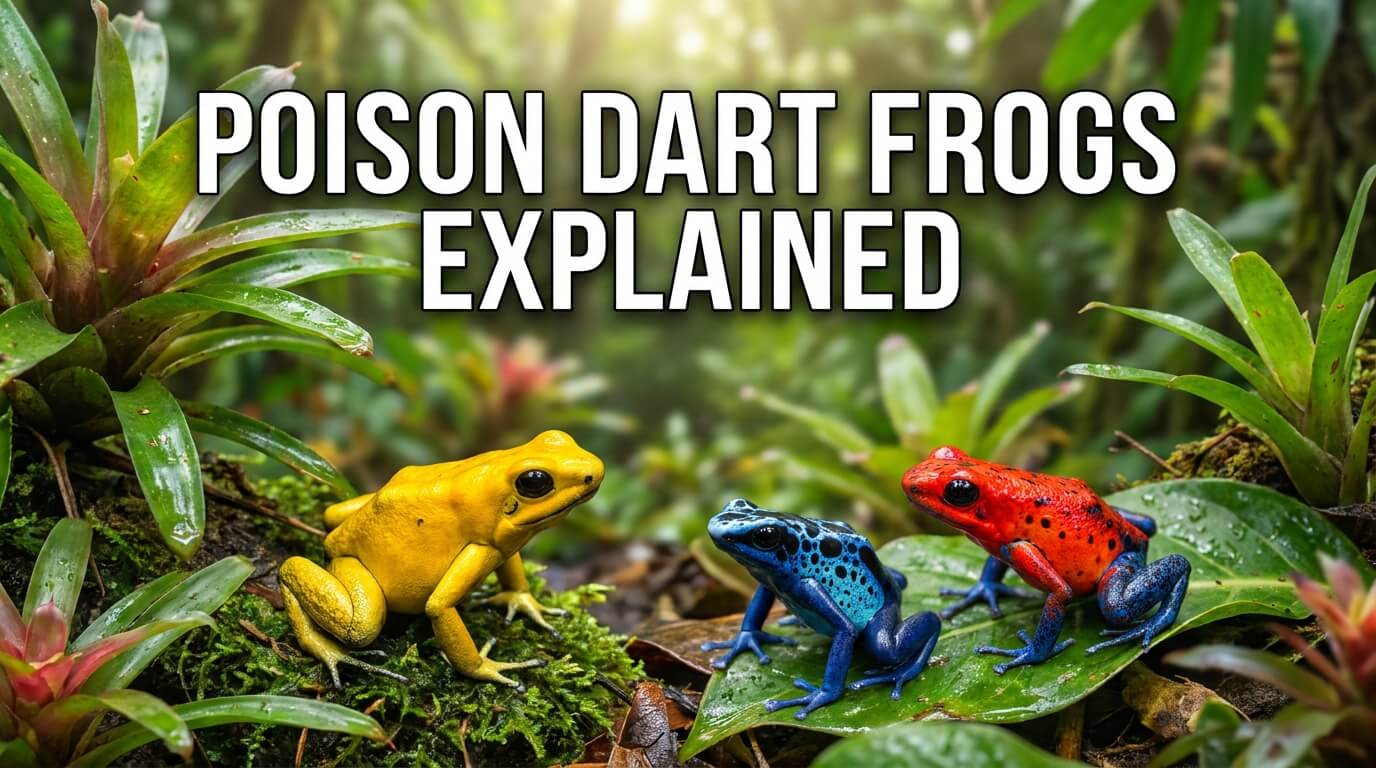
Poison Dart Frogs Explained

Poison dart frogs are small, mostly daytime-active frogs from tropical Central and South America. They are famous for vivid yellow, orange, red, green, blue, and black patterns, but their biology is more varied than the name suggests. Some species carry powerful skin alkaloids in the wild, others have much weaker chemical defenses, and several members … Read more
Why Are Amphibians Disappearing? Causes and Solutions

Why Are Amphibians Disappearing?

Amphibians are disappearing because many populations are being hit by several pressures at the same time. Habitat loss removes breeding ponds, streams, forests, and underground shelter. Infectious diseases can spread through susceptible populations. Pollution can harm eggs, larvae, adults, prey, or the water and soil they depend on. Climate change alters rainfall, temperature, snowpack, drought, … Read more

Why Are Frogs Important? Their Role in Ecosystems

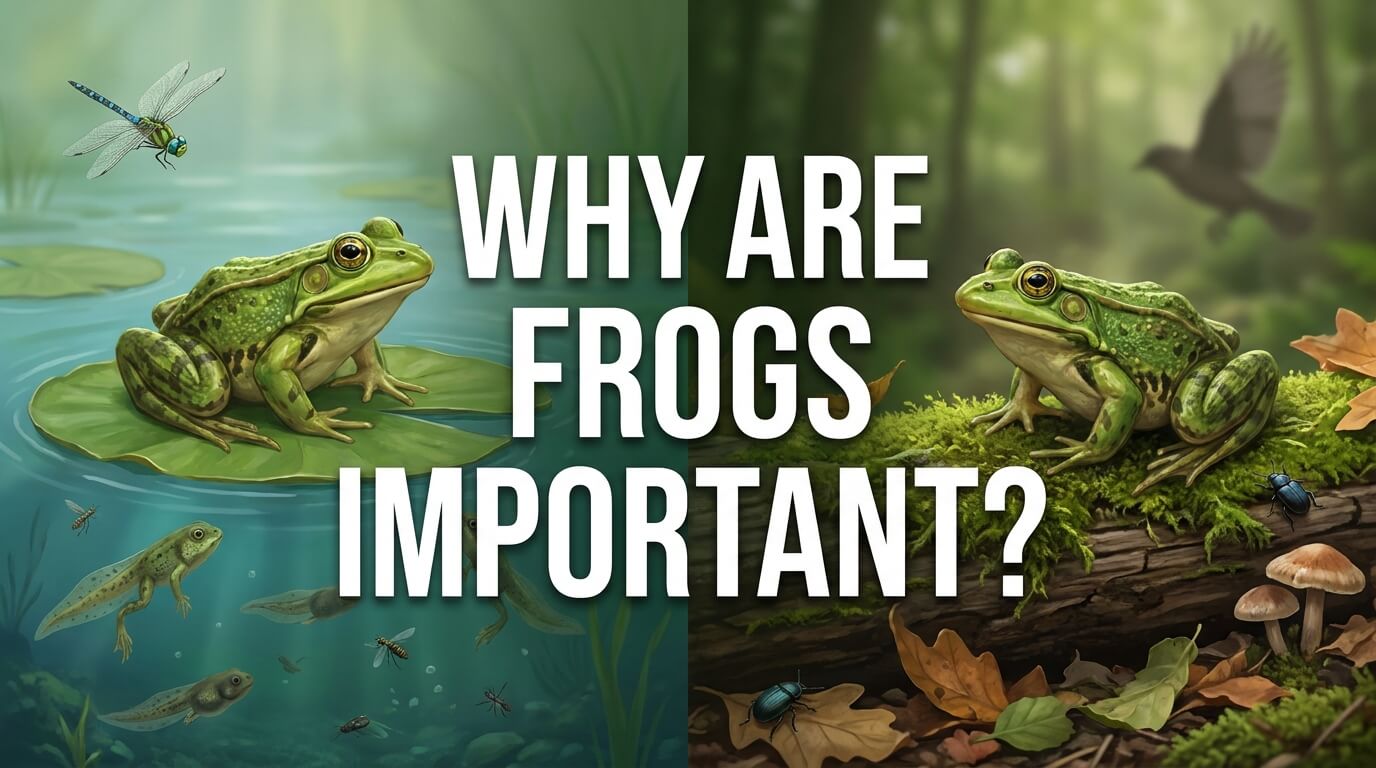
Why Are Frogs Important?

Frogs are important because they perform several jobs at once. Adult frogs hunt insects and other small animals, while eggs, tadpoles, juveniles, and adults feed a wide range of predators. Many tadpoles graze on algae, scrape biofilms, or process decaying material in freshwater. When young frogs leave the water after metamorphosis, they also move energy … Read more

Amphibians: Types, Life Cycles, Habitats, and Survival

Amphibians: Frogs, Toads, Salamanders, and Their Survival

Amphibians are vertebrates whose lives are closely shaped by water, moisture, and temperature. The group includes frogs, toads, salamanders, newts, and caecilians. Many begin life in water and later use land, but that familiar pattern is only one version of amphibian life. Some species skip a free-swimming larval stage, some remain aquatic as adults, and … Read more

Animal Life Cycles Explained: Stages and Metamorphosis

Animal Life Cycles Explained

Animal life cycles describe how animals develop, reproduce, and give rise to the next generation. A life cycle may begin with a fertilized egg, an embryo developing inside a parent, or an asexually produced young animal. It then continues through birth or hatching, juvenile growth, maturity, reproduction, aging, and death. The sequence sounds simple, but … Read more

Why Animals Abandon Their Young: What It Means

Why Some Animals Abandon Their Young

Why animals abandon their young is more complicated than a parent simply deciding not to care. A young animal found alone may still be receiving normal care from a parent that feeds nearby, avoids drawing predators to the hiding place, or returns only when people have left. In other cases, care may decrease or stop … Read more

Marsupials Explained: Pouches, Babies, and Biology

Marsupials Explained

Marsupials are mammals best known for raising extremely undeveloped newborns while they remain attached to a teat, often inside a pouch. Kangaroos and koalas are the familiar examples, but the group also includes wombats, wallabies, bandicoots, bilbies, possums, opossums, gliders, quolls, and the Tasmanian devil. They range from tiny insect-eaters to large grazing kangaroos and … Read more